August 16, 2026
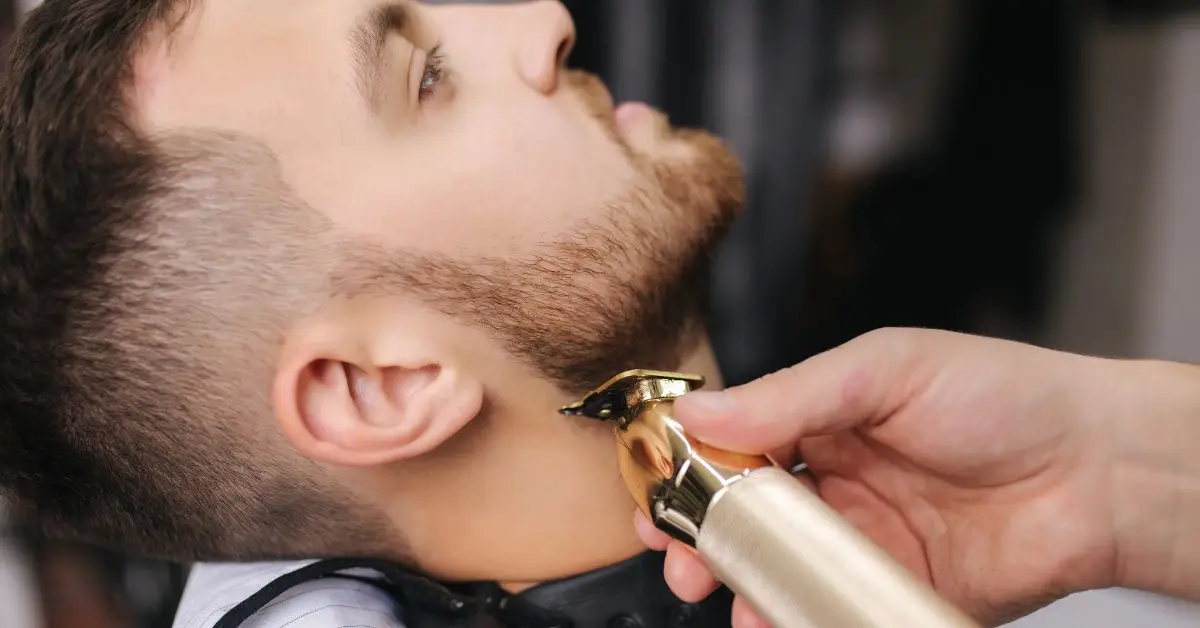
Neck hair can make an otherwise neat beard look unfinished, but taking the line too high can weaken the whole beard shape. How to shave beard on neck starts with setting a clear neckline before a trimmer or razor touches the skin.
To shave beard hair on your neck, establish the beard neckline beneath the jaw, trim longer neck hair first, wet the skin and hair, apply shaving cream or gel, then shave only below the line using short, light strokes. Follow your hair-growth direction first, rinse the area and moisturise afterwards.
HQ Barbershop helps us shape facial hair around our natural growth, preferred beard length and facial structure through our Beard Trim service in Dallas.
In this blog, we’ll explain exactly where your neckline should sit, how to shave below it, which tools work best, how to reduce common shaving problems and what to do if you accidentally take the line too high.
How to Shave Beard on Neck Step by Step

The easiest way to understand how to shave beard on neck is to treat shaping and shaving as two separate jobs.
First establish the beard boundary. Then remove the hair beneath it.
Step 1: Find Your Beard Neckline
Stand naturally and look straight into the mirror. Your neckline should generally sit beneath the jaw rather than directly on the jawbone. Use the centre of the upper neck as your starting reference, then look at how the line needs to travel towards each side.
Do not start shaving yet.
Step 2: Trim Longer Neck Hair First
If the neck hair has grown beyond short stubble, reduce it with a trimmer. Shortening longer hairs gives you a clearer view of the boundary and prevents the razor from having to deal with unnecessary length.
Stay below the intended beard line.
Step 3: Wash and Prepare Your Neck
Wet the skin and hair before shaving. The American Academy of Dermatology recommends wetting the area to soften the hair before applying shaving cream or gel.
If you already shower before grooming, the neck will usually need less additional preparation.
Step 4: Apply Shaving Cream or Gel
Cover the neck hair beneath the established line. Keep the beard boundary visible enough that you can follow it without accidentally pushing the shave upwards.
A little control here saves a lot of regrowth later.
Step 5: Shave Below the Beard Neckline
Use short, light strokes. Work only below the line you already established. Do not decide halfway through the shave that the neckline suddenly needs to move higher.
Let the razor cut the hair. Pressure is not a substitute for technique.
Step 6: Work From the Centre Towards the Sides
Start around the central neck area. Work towards one side, return to the middle, then move towards the other.
This makes it easier to compare the neckline while you still have enough hair left to correct small differences.
Step 7: Rinse and Check the Shape
Rinse away shaving cream and loose hairs. Now step back.
Look at the full beard from the front and both sides before making another pass.
Step 8: Moisturise the Neck
Pat the skin dry and apply a gentle moisturiser.
Freshly shaved skin can feel dry or tight, especially after multiple razor passes. The AAD also recommends moisturising the skin beneath a beard as part of routine beard care.
Where Should You Shave Your Beard Neckline?

Your beard neckline should normally create a deliberate boundary beneath the jaw rather than sit directly on the jawline itself. The exact position depends on beard length, neck shape, natural growth and the finished beard style, so one fixed measurement should not become a rule for every man.
This line provides support to the beard from underneath.
Using the Centre of the Neck as a Starting Point
Begin around the central upper-neck area and assess the beard from the side. You want enough hair beneath the jaw to support the shape without allowing uncontrolled growth to travel down the neck.
Some grooming guides use the Adam’s apple area as a practical reference. Treat references like that as a starting point, not a fixed measurement.
Beard Neckline vs Jawline
Your jawline follows the bottom edge of the jaw. Your beard neckline sits below it. If you shave directly against the jawbone, the beard may look acceptable from straight ahead but surprisingly thin from the side.
That side profile catches people out.
How to Connect the Neckline Towards the Sides
Create a smooth transition from the centre towards the area below each ear. Avoid carving an extreme U-shape unless the beard style genuinely calls for it.
The curve should make sense with the natural jaw and beard structure.
Should Every Beard Have the Same Neckline?
No. A short structured beard exposes the neckline clearly. A medium beard covers more of it. A long beard may rely on some of the hair beneath the jaw for visible fullness. For a deeper guide to neckline, cheek line and overall proportions, read How to Shape a Beard.
Should You Shave Your Neck With or Against the Grain?
Start by shaving in the direction your neck hair grows, particularly if irritation or razor bumps are a concern. Neck hair can grow in several directions, so the correct stroke may change as you move across the neck.
The AAD specifically recommends shaving in the direction of hair growth to help prevent razor bumps and burns.
How to Find Your Beard Growth Direction
Let the neck hair grow enough that you can feel it. Run your fingers across different sections.
One direction usually feels smoother because you are moving with the hair. The reverse direction feels rougher.
Check the centre and both sides separately.
Shaving With the Grain
Follow the local growth direction during the first pass. This may not create the closest possible finish, but it can give you enough closeness for routine neckline maintenance without chasing every tiny rough patch.
What About Shaving Against the Grain?
Against-the-grain shaving may cut hair closer. But closer is not automatically better if your neck reacts badly to it.
If your skin already feels irritated after the first pass, another aggressive pass is unlikely to improve your afternoon.
Why Neck Hair Is Difficult to Shave
The surface curves and the hairs do not always agree on which direction to grow. A single long downward stroke will not suit every part of the neck.
Change direction when the growth direction changes.
Razor vs Trimmer for Shaving a Beard Neckline
A razor and beard trimmer solve different problems.
| Factor | Beard Trimmer | Razor |
| Main job | Establish and maintain shape | Remove hair close to skin |
| Finish | Can leave short stubble | Cleaner skin finish |
| Longer neck growth | Suitable | Trim first |
| Boundary control | Strong | Best after boundary is set |
| Speed | Quick | Needs more preparation |
| Best use | Shape maintenance | Close clean-up below beard |
Using a Beard Trimmer
A trimmer works well for establishing the neckline. It also makes sense when you prefer a small amount of neck stubble rather than completely smooth skin.
Using an Electric Shaver
An electric shaver offers another option for quick neck maintenance. It can remove short growth without requiring the same routine as a traditional wet shave.
Using a Razor
A razor works best after you already know where the beard should stop. First create the boundary. Then shave beneath it. Trying to design the entire beard while holding a razor against the neck is asking one tool to do two jobs.
How to Shave a Neckline for Different Beard Lengths
The correct approach changes as the beard gets longer.
Stubble Beard Neckline
Stubble can benefit from a subtle lower boundary. If you leave all the neck growth untouched, the stubble may look accidental rather than deliberate.
But avoid carving an excessively sharp line beneath very light facial hair.
Short Beard Neckline
Short beards expose the lower border clearly. That means small placement mistakes become easier to notice.
Keep enough hair beneath the jaw to support the beard rather than moving the neckline directly onto the jawbone.
Medium Beard Neckline
Medium growth creates more weight around the jaw and chin. Preserving more hair underneath can help maintain that fullness.
The actual line may become less visible from the front, but it still controls the structure underneath.
Long Beard Neckline
A longer beard may hide most of the neckline. That does not mean all the hidden hair should disappear.
Removing too much underneath can leave the beard looking hollow when viewed from the side or when the longer hair moves.
Common Mistakes When Shaving Beard Hair on the Neck
Most neckline problems come from removing more hair than necessary.
Shaving the Neckline Too High
This is the mistake to avoid first. Taking the boundary directly to the jaw can reduce the visual depth of the beard.
Leaving the Neckline Too Low
The opposite problem is allowing neck growth to continue without a clear boundary.
That can blur the shape and make a carefully trimmed beard look unfinished.
Trying to Create a Perfectly Straight Line
The neck is curved.
Your neckline should respond to that shape rather than look like someone drew it with a ruler.
Pressing the Razor Too Hard
Hard pressure does not guarantee a closer finish. It can create more friction and give you less control near the beard boundary.
Making Too Many Passes
Avoid repeatedly shaving one tiny patch because you can still feel a few hairs. The AAD recommends rinsing the razor after each swipe and replacing disposable blades or changing blades regularly to minimise irritation.
Ignoring Growth Direction
Neck hair may point down, sideways or diagonally. Map the growth instead of assuming the whole neck follows one direction.
Chasing Perfect Symmetry
Natural faces and necks are not exact mirror images.
Aim for a balanced neckline. Nobody is bringing measuring equipment to inspect it.
How to Reduce Razor Burn and Ingrown Hairs on the Neck
A rushed shave can turn a clean neckline into uncomfortable skin.
Prepare the Skin and Hair
Wet the area before shaving and use shaving cream or gel.
These steps align with current dermatologist guidance for reducing shaving irritation.
Follow the Hair Growth First
Make your first strokes in the direction the hair grows.
If one part of the neck grows sideways, change the direction of your stroke there.
Use Light Pressure
Hold the razor securely but do not force it against the skin.
Short strokes make it easier to react to the curved shape of the neck.
Limit Repeated Passes
If the skin begins feeling irritated, stop chasing extra closeness.
A neckline can look clean without every square millimetre feeling perfectly smooth.
Use a Clean, Sharp Blade
A dull blade may require extra pressure or repeated passes. The AAD recommends changing disposable razors or blades after roughly five to seven shaves to minimise irritation.
Moisturise Afterwards
Rinse the area, pat it dry and use a suitable moisturiser.
If bumps become persistent, painful, infected-looking or repeatedly inflamed despite basic shaving changes, consider speaking with a dermatologist rather than continuing to experiment with the irritated area.
What If You Shaved Your Beard Neckline Too High?
If you shaved your beard neckline too high, stop removing hair from that area and let it regrow. Keep the lower neck tidy while preserving the short regrowing section, then establish a new neckline once enough hair returns. Do not shorten the entire beard simply to match the mistake.
Stop Raising the Neckline
Put the razor down. Trying to make the other side match by moving it higher usually turns a small error into a larger one.
Let the Neckline Regrow
There is no immediate technique that replaces hair you already shaved away.
Regrowth is the fix.
Keep the Lower Neck Clean
You can continue shaving well below the intended future line. Leave the area immediately beneath the beard alone while it catches up.
When Professional Beard Shaping Helps
A barber may be able to rebalance the remaining beard or establish a temporary line that works until more growth returns.
How Often Should You Shave Your Beard Neckline?
There is no universal neckline-shaving schedule.
Growth speed, beard style and how defined you want the boundary to remain all affect how often the neck needs attention.
Maintaining a Sharp Neckline
Short, structured styles reveal new neck growth more quickly.
You may notice the perimeter looking soft before the rest of the beard needs reshaping.
Maintaining a Natural Beard
A softer beard can tolerate more regrowth.
You might only need to remove the hairs that noticeably disturb the lower shape.
Do You Need to Trim the Whole Beard Every Time?
No. A neckline clean-up and full beard trim are different maintenance jobs.
HQ Berbarshop’s existing beard-frequency guide separates maintenance according to beard length and style, with shorter styles generally needing more frequent line and edge attention than longer beards. For more detail, read How Often to Trim Beard.
How to Get a Closer Shave Below Your Beard
A closer neck shave starts with preparation, not extra pressure.
Trim Longer Hair First
Reduce longer neck growth before reaching for a razor. This makes it easier to see the beard line and work through shorter hair.
Wet the Skin and Hair
The AAD recommends wetting skin and hair before shaving to soften the hair. If your routine allows it, shaving after washing or showering can make this preparation easier.
HQ Berbarshop’s also has a dedicated Best Time to Shave Face guide covering how timing can fit into a shaving routine.
Map Your Growth Direction
Feel the neck before shaving. The centre and sides may require different stroke directions.
Use Enough Lubrication
If shaving cream disappears during the first pass, reapply it before another stroke. Do not repeatedly run a razor over dry skin.
Do Not Chase Maximum Closeness
A slightly less close shave may be the better result if your skin stays comfortable.
For more detail on close-shaving technique, read How to Get the Closest Shave Face.
Home Beard Neckline Shaving vs Professional Beard Trim
Routine neckline maintenance can work well at home once the beard has a clear shape.
| Home Neckline Maintenance | Professional Beard Trim |
| Good for routine clean-ups | Useful for establishing shape |
| Follows an existing neckline | Full beard assessment |
| Uses your own trimmer or razor | Professional tools and technique |
| Harder to inspect every angle | Full visual access |
| Suitable between appointments | Useful for uneven or lost shape |
When Home Neckline Maintenance Works Well
Home maintenance suits an established beard. You already know where the centre sits, how the line travels towards each side and how much hair should remain beneath the jaw.
At that point, you are following a map rather than drawing a new one every week.
When Professional Beard Shaping Makes Sense
Professional help may make more sense when the neckline has moved too high, the sides look uneven, you want a different beard style or the beard needs to blend with a haircut.
HQ Barbershop’s current Beard Trim service focuses on shaping, balancing, detailing and blending facial hair according to face shape and style preferences.
Beard Neckline Shaping at HQ Barbershop
At HQ Barbershop in Dallas, we treat the neckline as one part of the complete beard shape rather than an isolated line.
Personalised Beard Shape
We consider beard length, density, facial structure and the client’s preferred style when shaping facial hair. These are also factors described in HQ’s current Beard Trim service.
Clean Neckline Definition
A good lower boundary needs to look intentional without removing useful beard structure unnecessarily.
Balanced Beard Detailing
The neckline, cheek line, overall length and transitions need to work together. Cleaning one area cannot compensate for an unbalanced beard elsewhere.
A Clearer Reference for Home Maintenance
Once the beard has an established line, maintaining it yourself becomes easier. You know exactly which hair belongs to the beard and which hair belongs below it.
Frequently Asked Questions About How to Shave Beard on Neck
Where Should I Shave My Beard on My Neck?
Shave below the established beard neckline rather than directly along the jawbone. The line should create a natural lower boundary beneath the jaw and travel towards the area under each ear. Beard length, neck shape and natural growth should guide the exact placement.
Should I Shave My Neck Up or Down?
Follow your neck-hair growth rather than choosing one fixed direction. Some sections may grow downwards while others grow sideways or diagonally. Dermatologists recommend shaving in the direction the hair grows to help reduce razor bumps and burns.
Should I Use a Razor or Trimmer on My Beard Neckline?
Use a trimmer when you need to establish or maintain the beard boundary and remove longer neck growth. Use a razor when you want a closer finish on the skin beneath an already established line. Some men may prefer the short-stubble finish of a trimmer alone.
How Do I Avoid Razor Bumps When Shaving My Neck?
Wet the skin and hair, apply shaving cream or gel, follow the direction of hair growth, use light strokes and avoid repeatedly shaving the same area. Using a clean, sharp blade and moisturising afterwards can also support a more comfortable routine.
What Should I Do if I Shaved My Beard Neckline Too High?
Stop removing more beard hair and allow the high section to regrow. Keep the lower neck clean while leaving the regrowing area alone. Once enough hair returns, establish a new neckline rather than shortening the rest of the beard to match the mistake.
Keep Your Beard Neckline Clean Without Shaving Too High
How to shave beard on neck starts before the razor touches your skin. Set the neckline beneath the jaw, follow your natural hair-growth direction, and remove only the hair that falls below the intended beard shape.
A trimmer can help establish and maintain the boundary, while a razor can create a closer finish beneath it. Beard length matters too. A neckline that works for short stubble may remove too much support from a fuller beard.
HQ Barbershop helps us shape facial hair around our beard length, natural growth, facial structure and preferred finish. Book our Beard Trim for professional neckline definition, beard shaping and balanced grooming in Dallas. You can also get directions to HQ Barbershop in Oak Lawn and visit us for a beard trim shaped around your preferred length, neckline and overall grooming style.