July 13, 2026
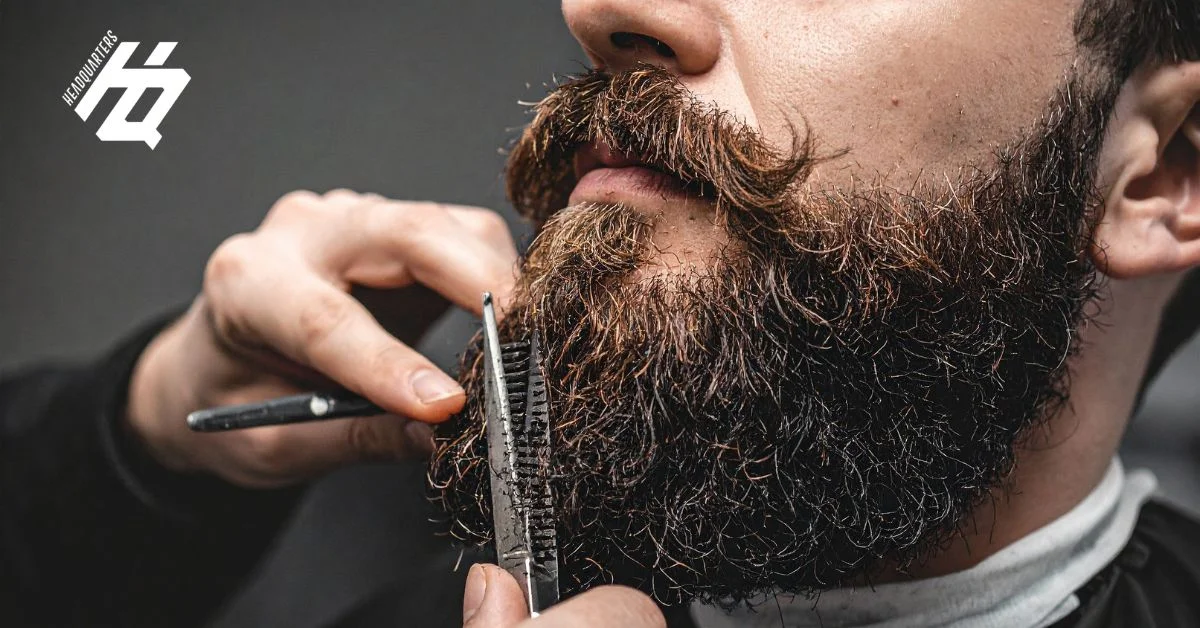
Most men either trim too often and lose the length they spent weeks building, or wait too long and end up with a beard that looks overgrown rather than intentional. Knowing how often to trim beard correctly, based on your specific style, growth rate, and goals, is the single most practical thing you can learn about beard maintenance.
How often to trim a beard depends on the style and the individual’s growth rate. Short, structured beards need trimming every one to two weeks. Medium beards require a trim every two to three weeks. Long or full beards need trimming every three to four weeks for maintenance and every six to eight weeks for a full reshape. Regular trimming prevents split ends, maintains the neckline and cheek line, and keeps the beard looking intentional rather than neglected.
At HQ Barbershop in Dallas, our Beard Trim in Dallas service is one of our most consistent appointments. Our TDLR-licensed barbers shape, refine, and balance beards for men at every stage of growth, and the first thing they assess is where the beard is in its cycle and when it was last trimmed. This guide explains trimming frequency by beard length, how to adjust the schedule for your growth rate and the signs that indicate your beard needs attention before the next planned trim.
Beard Trimming Schedule at a Glance
| Beard style or length | Light maintenance | Full trim or reshape |
|---|---|---|
| Stubble | Every 1–3 days | Every 1–2 weeks |
| Short beard, under 1 inch | Every 5–10 days | Every 1–2 weeks |
| Medium beard, 1–3 inches | Every 1–2 weeks | Every 2–4 weeks |
| Long beard, over 3 inches | Every 2–4 weeks | Every 6–8 weeks |
| Goatee or chin strap | Every 2–4 days around the edges | Every 1–2 weeks |
| Beard being grown longer | Neckline as needed | Main length only when shape requires it |
These intervals are starting points rather than fixed rules. Faster growth, a highly defined style or an upcoming event may require earlier maintenance.
Why Beard-Trimming Frequency Matters
Trimming frequency affects shape and length more than beard growth itself. Trimming too frequently can repeatedly remove the length you are trying to build, while waiting too long may allow the neckline, cheek line and overall silhouette to lose definition.
The right schedule separates light maintenance from a full trim. Light maintenance removes obvious stray hairs and cleans the outline. A full trim adjusts the overall length, balance and shape.
Your calendar should therefore reflect your goal. A beard being grown longer needs fewer full trims than a beard being maintained at a fixed length. Beard growth varies considerably between individuals. Instead of relying only on an average calendar, watch how quickly your neckline softens, stray hairs break the silhouette and the beard loses its intended proportions.
How Often to Trim Beard by Style and Length

Beard length changes everything about how often you should trim. A stubble beard and a long, full beard are basically two different maintenance jobs.
Here’s how we break it down for clients at HQ Barbershop.
| Beard Length | Trim Frequency | Focus |
| Short (stubble to 1 inch) | Every 1-2 weeks | Clean lines, sharp edges |
| Medium (1-3 inches) | Every 2-4 weeks | Shape and volume |
| Long (3+ inches) | Every 4-8 weeks | Split ends, overall shape |
Short Beard (Stubble to 1 Inch)
Short beards show every flaw. A stray hair or an uneven cheek line stands out fast on a beard this length.
That’s why short beards need the tightest schedule. Trim every one to two weeks and you’ll keep the clean beard lines that make a short beard actually look styled instead of just unshaven.
Medium Beard (1-3 Inches)
This is the range where most guys land, and it’s a little more forgiving. A trim every two to four weeks keeps the shape without constantly cutting into the length you’ve built.
Focus here shifts from precision lines to overall shape. Round out the edges, keep the neckline in check, and let the rest fill in.
Long Beard (3+ Inches)
Long beards need length more than they need lines. Trimming every four to eight weeks is usually enough, and even then, you’re mostly cleaning up split ends and stray hairs rather than reshaping anything.
Skip trims entirely at this length and the beard starts looking wild instead of full. There’s a difference, and it shows.
Full Beard and Natural Beard
The full or natural beard is worn with minimal shaping and a more organic silhouette. Trimming frequency is still necessary, but the focus shifts from precise edge work to overall health maintenance.
Split ends, flyaway hairs, and uneven length patches all build up in a natural beard over time. Trimming every three to four weeks removes these issues without significantly changing the overall length or shape.
Goatee and Chin Strap
Goatees and chin straps have very precise defined edges that lose their sharpness quickly. These styles need trimming every seven to ten days for the shaping and every two to three days for the edge maintenance around the surrounding shaved areas.
A goatee that has grown five days past its last trim starts to blur the boundary between the goatee and the cheeks. That boundary is the entire point of the style.
How Growth Rate Affects How Often to Trim Your Beard

The schedules above assume average growth rates. Your biology may push these intervals shorter or allow them to extend.
Fast growers typically need to trim one to two weeks earlier than the average schedule. If your beard grows noticeably faster than most men you know, adjust accordingly.
Slower growers can extend the intervals. If you grow a quarter-inch per month rather than half an inch, your trimming schedule can reasonably extend to the longer end of each range.
Age affects growth rate. Men in their late twenties to early forties typically experience the fastest beard growth.
Diet and health also play a role. Protein intake supports keratin production, the structural protein that hair is made from. Men eating a protein-rich diet with adequate zinc, biotin, and vitamin D tend to maintain faster, healthier beard growth. Our guide on does trimming beard help it grow covers the growth biology in detail.
What Happens When You Trim Too Often
Trimming too frequently can slow visible progress when you are trying to grow the beard longer. The issue is not that trimming affects the follicle; it is that repeatedly cutting the main body removes some of the length gained between sessions.
During a growth phase, concentrate on obvious stray hairs, the neckline and areas that are genuinely out of proportion. Avoid reducing the full length simply because a scheduled trimming day has arrived.
If almost no correction is needed during several consecutive trims, extend the interval.
What Happens When You Wait Too Long Between Trims

Waiting too long can allow the neckline, cheek line and overall silhouette to lose definition. Stray hairs may extend beyond the intended shape, and dry or damaged ends can make longer beards appear less even.
The exact timing varies. A short, structured beard may look overdue relatively quickly, while a softer natural beard can tolerate a longer interval. Use the appearance of the beard – not only the calendar – to decide when maintenance is needed.
The Trimming Schedule That Actually Works: A Two-Layer Approach
The most effective approach separates maintenance from full trims.
- Weekly or bi-weekly maintenance (five to ten minutes): Check and clean the neckline. Remove any hairs that have crossed the cheek line. Comb the beard and identify any stray hairs breaking the silhouette.
- Full trim every two to four weeks (twenty to thirty minutes): Overall length management, full neckline reshape, cheek line definition, blending, split end removal, and a full symmetry check.
- Professional barbershop trim every four to six weeks: A professional trim catches what home trimming misses, resets the shape with precision, and provides the conditioning treatment that home trimming cannot replicate.
This two-layer approach works for every beard style and growth rate. The intervals adjust based on the style and the individual, but the structure of frequent light maintenance combined with periodic full trims stays consistent.
Neckline Trimming: The Most Overlooked Part of Beard Maintenance

The neckline is the first thing people notice when a beard is overdue for a trim. It is also the area that grows out the fastest in visible terms.
The correct neckline sits approximately two finger-widths above the Adam’s apple. This line follows a natural curve from behind each ear, dipping to that point above the Adam’s apple at the centre. Everything below this line is shaved or closely trimmed.
For most beard styles, the neckline needs attention every seven to fourteen days regardless of whether the rest of the beard needs a full trim. A clean neckline makes even a slightly grown-out beard look intentional. A fuzzy neckline makes a precisely maintained beard look neglected.
This is the single highest-impact maintenance task for beard appearance between full trims.
How Often to Trim Beard When Growing It Out
When growing a beard longer, reduce the frequency of full-length trims. Continue checking the neckline and obvious stray hairs, but avoid removing significant length unless the beard has become clearly unbalanced.
A light neckline clean-up may be needed every one to two weeks for structured styles. Men growing a softer natural beard may leave the neckline less defined. Inspect dry or uneven ends every few weeks, but do not trim simply because a fixed date has arrived. The goal is to preserve progress while keeping the overall growth intentional.
When growing the beard and moustache together, read our guide on how to trim a moustache with a beard.
Visit Us in Dallas for a Professional Beard Trim
Home maintenance keeps the beard going between visits. But a professional trim resets everything to where it should be with a precision and consistency that home trimming struggles to match.
At HQ Barbershop, our barbers assess your beard’s current shape, growth pattern, density, and face shape before making a single cut. The Beard Trim in Dallas service at HQ Barbershop covers customised shaping, precision neckline and cheek line work, even length blending, and beard conditioning with professional-grade oils and balms.
We are located at 3527 Oak Lawn Avenue, Dallas, TX 75219. Find us here: HQ Barbershop on Google Maps Walk-ins welcome. Book ahead for guaranteed availability.
FAQs: How Often to Trim Beard
How often should I trim my beard to keep it looking neat?
Stubble may need attention every one to three days. Short beards generally need a full trim every one to two weeks, medium beards every two to four weeks and long beards a more complete reshape every six to eight weeks. Light neckline or stray-hair maintenance may be needed between full trims.
Does trimming a beard make it grow faster?
No. Trimming removes the visible hair above the skin and has no effect on the follicle below. Growth rate is determined by genetics and hormonal profile. Regular trimming improves the beard’s appearance and health by removing split ends, but it does not accelerate growth.
How often should I trim my beard neckline?
Every seven to fourteen days for most men. The neckline grows out visually faster than the rest of the beard and has the biggest single impact on whether the beard looks maintained or neglected.
Is it bad to trim your beard every day?
Daily trimming is unnecessary for most medium and long beards and can repeatedly remove length during a growth phase. Stubble is the main exception, because its intended length may require trimming every day or every few days.
How often should I visit a barber for a beard trim?
The right interval depends on the style and your ability to maintain it at home. Short structured beards may need professional reshaping more frequently, while long beards being grown out may wait longer. Book when the shape becomes difficult to reproduce, the beard grows unevenly or you want to change the style.
Final Thoughts
How often to trim beard is not a one-size-fits-all answer. It is a schedule built around your specific style, your growth rate, and the signals your beard gives you. Short beards every one to two weeks, medium beards every two to three weeks, long beards every three to four weeks, and the neckline every seven to fourteen days regardless of style.
Get the schedule right and your beard looks sharp every single week without losing progress toward your target length.
At HQ Barbershop in Dallas, our barbers deliver precision Beard Trim in Dallas services that cover shaping, neckline definition, blending, and conditioning. Every trim is customised to your beard style, face shape, and growth stage. Our TDLR-licensed barbers are at 3527 Oak Lawn Avenue, Monday through Sunday.
Book your Beard Trim in Dallas at HQ Barbershop today and walk out with a beard that looks exactly the way it should.