August 9, 2026
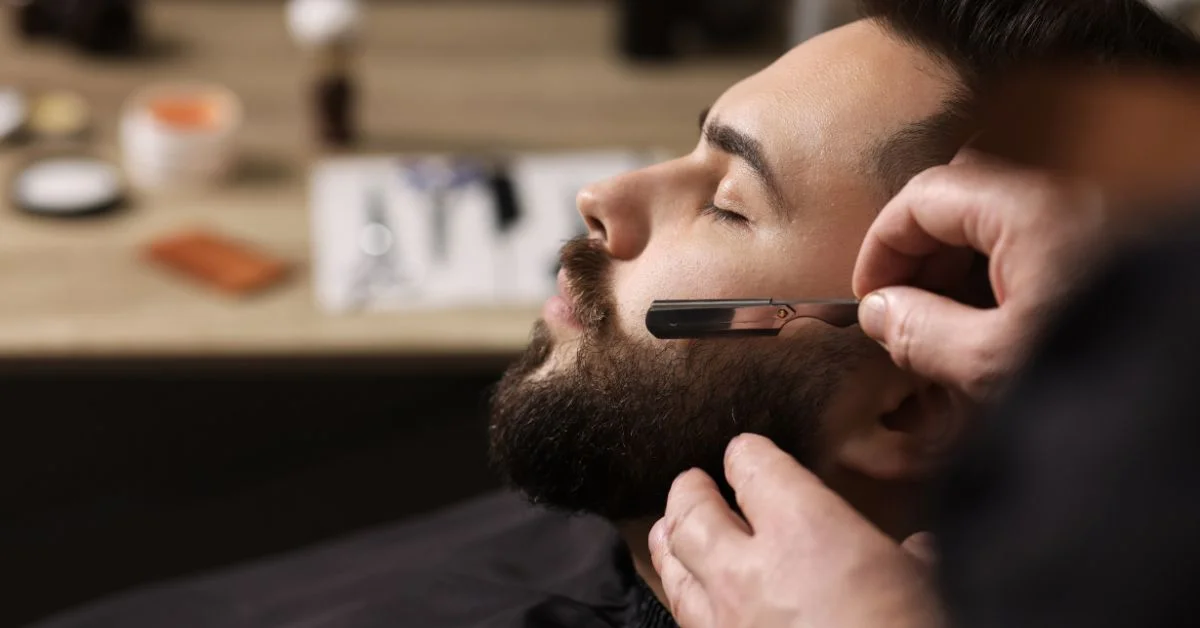
Patchy cheeks, an uneven neckline or too much bulk can make a short beard look untidy fast. The right short trimmed beard styles solve that problem by combining controlled length with deliberate shaping around the cheeks, jaw, moustache and sideburns.
Short trimmed beard styles keep facial hair close to the face while creating a clear shape through the cheek line, neckline, moustache and beard-to-hair transition. Popular options include short stubble, heavy stubble, short boxed beards, tapered beards and faded beards. The best choice depends on face shape, beard density, haircut and maintenance preference.
HQ Barbershop Dallas helps us shape facial hair around our natural growth, preferred length and grooming style through our professional Beard Trim service. We trim and sculpt beards, blend transition areas and define cheek and neckline edges.
In this blog, we’ll compare the best short beard styles, explain who each suits, cover face shape and growth patterns, and show how to keep the final look clean.
What Are Short Trimmed Beard Styles?

Short trimmed beard styles use controlled facial-hair length and intentional shaping to create a neat beard without growing significant bulk. The cheek line, neckline, moustache and sideburn transition all contribute to the final look, while beard density and facial proportions determine which shape works best.
Short does not mean one universal guard setting.
Heavy stubble and a short boxed beard may both fall into the short-beard category, yet they create different proportions around the jaw, chin and cheeks.
What Makes a Short Beard Look Well Trimmed?
Five details usually separate a deliberate beard style from simple facial-hair growth:
- Controlled bulk: Dense areas should not overpower lighter areas.
- A clear cheek line: The upper boundary should look intentional without removing useful growth.
- A defined neckline: The lower edge gives the beard structure beneath the jaw.
- Balanced moustache length: The moustache should support the beard rather than look disconnected.
- Smooth sideburn blending: Facial hair should connect naturally with the haircut.
Small details matter more when the beard stays short.
15 Best Short Trimmed Beard Styles for Men
The best short trimmed beard styles work with the facial hair you actually grow. Choosing a shape around your strongest areas usually creates a better result than trying to force dense coverage where your beard remains naturally light.
1. Short Stubble

Short stubble creates a close, low-profile beard.
Keep the length consistent and control the cheek and neckline edges so the look appears deliberate rather than like a few missed shaving days. It works best for men whose facial hair grows fairly evenly.
2. Heavy Stubble

Heavy stubble adds more visible density while remaining shorter than a structured beard.
The jaw and chin become more noticeable, but the neckline needs greater control as the growth gets heavier. This style suits men who want a relaxed look without allowing the beard to become bulky.
3. Short Boxed Beard
A short boxed beard keeps coverage through the cheeks, jaw and chin while using clean boundaries.
It gives the beard enough length to create structure without requiring a long grow-out period. The cheek line, lower edge and sideburns all need to work together.
4. Corporate Beard

A corporate beard keeps facial hair restrained and polished.
The beard stays short, the neckline remains defined and the moustache does not dominate the face. It can work well for men who want visible facial hair that still fits a professional grooming routine.
5. Short Faded Beard

A faded beard gradually becomes shorter towards the sideburns.
That transition pairs naturally with faded haircuts because the beard and hair connect instead of meeting in one heavy block. The blend usually requires more maintenance than a beard kept at one general length.
6. Tapered Short Beard
A tapered beard also changes length gradually, but the transition can look softer than a pronounced beard fade.
Shorter sideburns lead into greater weight through the jaw and chin. This creates definition without making every edge extremely sharp.
7. Short Full Beard
A short full beard keeps natural coverage through the cheeks, moustache, chin and jaw.
The aim is fullness without unnecessary bulk. Trimming controls areas that grow heavily while preserving enough density to maintain the full-beard shape.
8. Circle Beard
A circle beard concentrates facial hair around the mouth.
The moustache connects with the chin section while the cheeks stay clean or much shorter. It may suit men whose strongest growth appears around the moustache and chin.
9. Short Goatee
A short goatee places most of the visual weight on the chin.
It can work well when cheek growth remains lighter but the central beard grows strongly. Clean surrounding areas help keep the style intentional.
10. Anchor Beard
An anchor beard creates definition around the chin and lower jaw, often paired with a separate or carefully shaped moustache.
Precise edges matter because open skin forms part of the design.
11. Beardstache
A beardstache keeps the moustache noticeably fuller than the beard.
The surrounding facial hair stays close, allowing the moustache to become the focal point without requiring a clean-shaven jaw.
12. Short Van Dyke
A Van Dyke combines a moustache with a defined chin beard while keeping separation between them.
Shorter versions require careful line work so the individual sections remain visible instead of merging into a circle beard.
13. Defined Jawline Beard
This style controls cheek volume while maintaining a clear lower shape around the jaw.
It works best when natural growth follows the jaw strongly enough to create continuous coverage.
14. Short Beard With Disconnected Moustache
A disconnected moustache leaves an intentional gap where the moustache might otherwise join the beard.
The separation can create a cleaner appearance when the moustache and beard both have well-maintained outlines.
15. Short Beard With Fade Haircut

This style treats the sideburn as a transition zone between the beard and haircut.
The beard becomes shorter as it approaches the fade, helping the entire grooming look feel connected.
A professional Beard Trim can help establish these transitions, especially when you are changing styles or correcting an uneven home trim.
Short Trimmed Beard Styles Comparison Chart
| Style | Relative Length | Maintenance | Best Feature |
| Short Stubble | Very short | Frequent edge control | Minimal bulk |
| Heavy Stubble | Very short to short | Moderate | Natural definition |
| Short Boxed Beard | Short | Moderate | Structured jaw shape |
| Corporate Beard | Short | Moderate | Polished finish |
| Faded Beard | Variable | Higher | Haircut integration |
| Tapered Beard | Variable | Moderate | Softer transition |
| Short Full Beard | Short | Moderate | Fuller coverage |
| Beardstache | Mixed | Moderate | Moustache emphasis |
Which Short Beard Style Is Easiest to Maintain?
Short stubble needs little styling, but visible edges may require regular attention.
A short full beard can tolerate a little more growth, while a faded or sharply boxed beard normally needs more precise transition and line maintenance.
Low daily effort and low trimming frequency are not the same thing.
How to Choose Short Trimmed Beard Styles for Your Face Shape
Face shape can guide your beard choice, but it should not become a rigid rule. Natural growth density matters just as much.
Oval Face
Oval faces work with many short beard shapes.
Heavy stubble, a short boxed beard, taper or short full beard can all fit when the natural growth supports the chosen style.
Round Face
A rounder face may look broader when the beard carries too much width through the cheeks.
Keeping the sides controlled while maintaining definition around the jaw and chin can create a more structured appearance.
Square Face
A square face already has a noticeable jaw definition.
A boxed beard can emphasise that structure, while slightly softer edges can reduce some of the visual sharpness.
Long or Oblong Face
Avoid adding unnecessary extra length beneath the chin if you do not want the face to appear longer.
Balanced coverage through the sides can help maintain more even proportions.
Heart-Shaped Face
Heart-shaped faces often have more width in the upper face and a narrower chin.
Controlled beard weight around the jaw and chin may create better visual balance when facial-hair growth allows it.
Diamond Face
Prominent cheekbones can work well with controlled coverage through the lower face.
Keep excessive cheek width under control and allow the jaw area to carry more of the beard’s shape.
Which Short Beard Style Works for Your Beard Growth?

Your growth pattern should influence your style before face-shape theory does.
Thick Beard Growth
Dense growth gives you more flexibility.
A short boxed beard, tapered beard or short full beard can retain strong coverage while allowing you to reduce excessive bulk.
Patchy Cheek Growth
Trimming facial hair does not make it grow thicker.
Short stubble or beard styles focused around stronger moustache and chin growth may make uneven coverage less distracting. The goal is to use existing growth more effectively, not pretend the gaps are not there.
Strong Chin Growth
A goatee, anchor or circle beard can make use of stronger central growth without requiring dense cheeks.
Strong Moustache Growth
A beardstache allows the moustache to become the main feature while surrounding growth remains shorter.
Uneven Sideburn Growth
A tapered beard or beard fade may create a more deliberate transition between facial hair and the haircut.
Good proportion usually helps more than repeatedly cutting everything shorter.
Should Your Short Beard Match Your Haircut?
Your beard does not need to copy your haircut, but the proportions should make sense together.
Fade Haircut With a Faded Beard
Gradually shortening the beard near the sideburn can connect it naturally to a fade.
A hard block of facial hair beside a close skin fade can look disconnected unless that contrast forms part of the intended style.
Classic Haircut With a Short Boxed Beard
A classic haircut pairs well with a structured boxed beard because both rely on controlled proportions and clean outlines.
Medium-Length Hair With a Short Beard
Medium hair already carries more movement and visual volume.
Keeping the beard relatively restrained can define the lower face without competing with the hairstyle.
Shaved Head With a Short Beard
A short beard can add definition when the head is shaved, but the ideal beard still depends on facial proportions and natural growth.
One beard shape does not suit every shaved head.
How to Trim a Short Beard
Successful short-beard trimming starts with the shape, not the guard number.
Start With the Intended Shape
Decide what needs to remain before you remove hair.
Ask whether the chin should stay fuller, how much cheek coverage you want and how the sideburns should connect with your haircut.
Begin With a Longer Guard
Start longer than the final length you think you want.
You can move down one setting after checking the result. You cannot put back a section that you trimmed too aggressively.
Reduce Bulk Evenly
Work gradually across both sides. Avoid completely finishing one cheek before touching the other. Alternate between sides and check the beard from normal viewing distance.
Shape the Cheek Line
Work with usable natural cheek growth where possible. Taking the line too low can make the beard appear thinner and expose areas that previously blended into the overall shape.
Define the Neckline
The neckline creates the lower boundary of the beard.
Its position should complement the jaw and beard style rather than cut randomly through dense growth.
Blend the Sideburns
Use gradual changes in length where the beard reaches the haircut. This becomes especially useful with fades, tapers and short hairstyles.
Balance the Moustache
Establish the beard shape first, then assess how much moustache length supports it.
HQ Barbershop How to Trim Moustache With Beard guide explains the order in more detail and recommends setting the beard length before refining and blending the moustache.
Check the Beard From a Normal Distance
Step away from the mirror before making another correction. Tiny imperfections often disappear at normal viewing distance. Repeated close-up corrections can gradually shorten an otherwise balanced beard.
How Often Should You Trim a Short Beard?
There is no schedule that fits every man. Growth rate, style and preferred edge definition all affect timing. HQ’s current maintenance guide recommends roughly every one to two weeks for short, structured beards, while recognising that individual growth rates differ.
Light Maintenance
Between full trims, remove obvious stray hairs and keep the moustache comfortable around the lip. Do not reshape the entire beard because one hair sits outside the silhouette.
Shape Maintenance
Boxed, faded and highly defined beards reveal growth changes sooner than softer natural shapes.
Signs Your Short Beard Needs a Trim
Watch for:
- A neckline losing definition
- Uneven sides
- Excessive cheek bulk
- Moustache hair repeatedly covering the lip
- Sideburn transitions losing their shape
- The beard becoming wider than intended
For a detailed schedule by beard length, read our guide How Often to Trim Beard.
Common Short Beard Trimming Mistakes
Even good short trimmed beard styles can lose their proportions through a few small trimming errors.
Using the Same Guard Everywhere
The chin, cheeks and sideburns do not always need identical lengths.
Keeping slightly more length in one area and less in another can create a stronger shape and smoother haircut transition.
Setting the Neckline Too High
Removing too much beard beneath the jaw can make the beard appear smaller and weaken its structure.
Cutting the Chin Too Short
The chin often carries important visual weight.
Repeatedly correcting one uneven section can gradually remove the length that gave the beard its shape.
Over-Shaping the Cheek Line
A few irregular hairs do not always justify lowering the entire cheek line.
Preserve useful natural growth wherever it supports the style.
Ignoring the Moustache
A very full moustache paired with extremely short beard growth creates a different proportion from a boxed beard or short full beard.
Keep the balance intentional.
Home Beard Trimming vs Professional Beard Shaping
Home trimming works well when you already understand your beard’s shape.
| Home Trim | Professional Beard Trim |
| Good for routine upkeep | Useful for establishing a new shape |
| Familiar existing style | Personalised shape selection |
| DIY guard control | Controlled length and blending |
| Basic edge maintenance | Cheek and neckline detailing |
| Limited viewing angles | Full visual assessment |
When Home Trimming Works Well
Home trimming suits:
- Maintaining an established length
- Removing obvious stray hairs
- Tidying a familiar neckline
- Keeping an existing moustache shape under control
Once you know where the boundaries belong, routine upkeep becomes easier.
When Professional Beard Shaping Helps
Professional shaping makes more sense when:
- You want to change beard styles
- A home trim has become uneven
- You need to establish a new neckline
- You want a beard fade
- You want the beard blended into a new haircut
- You are preparing for a wedding, interview or important event
HQ Barbershop Dallas Beard Trim Service includes trimming to the preferred length, sculpting, transition blending and cheek and neckline detailing.
Short Beard Styling at HQ Barbershop
At HQ Barbershop, we work with the client’s real growth pattern rather than forcing the same beard shape onto every face.
Our Beard Trim in Dallas focuses on preferred length, balance, shaping and clean transitions.
Personalised Beard Shape
We consider natural density, facial proportions and the preferred style before removing length.
A client with strong chin growth and lighter cheeks may need a different approach from someone with dense coverage across the full jaw.
Controlled Length and Bulk
Dense areas often need more reduction than lighter sections.
We control those differences without automatically using one guard setting across the entire beard.
Cheek and Neckline Definition
These boundaries give a short beard much of its structure.
We refine them while keeping the overall shape proportionate to the face and natural growth.
Beard and Haircut Blending
Sideburn transitions become especially noticeable with fades.
We connect beard length to the haircut so both elements feel part of one grooming style.
Moustache and Beard Balance
The moustache should complement the beard.
We consider its length, lip line and connection points after establishing the main beard shape.
Frequently Asked Questions About Short Trimmed Beard Styles
What Are the Best Short Trimmed Beard Styles for Men?
The best short trimmed beard styles include short stubble, heavy stubble, short boxed beards, corporate beards, faded beards, tapered beards and short full beards. The right choice depends on where your beard grows densely, your face shape, haircut and preferred maintenance level.
Which Short Beard Style Is Easiest to Maintain?
Short stubble requires little daily styling, but the cheek and neckline edges may need frequent attention. A short full beard can tolerate slightly more growth, while faded and sharply boxed beards usually require more precise transition and edge maintenance.
What Short Beard Style Works With Patchy Growth?
Short stubble, goatee-based styles, circle beards and other shapes focused around stronger chin or moustache growth may work well with some patchy patterns. Trimming cannot create new density, so the better strategy is choosing a shape that works with existing coverage.
Where Should the Neckline Be on a Short Beard?
The neckline should form a deliberate lower boundary beneath the jaw while supporting the intended beard shape. Its exact position depends on facial proportions, jaw structure and beard length, so one fixed measurement does not suit every man.
Should a Short Beard Be the Same Length Everywhere?
No. Adjusting the chin, cheeks and sideburns can create better proportions. Shorter sideburns may connect more naturally to a fade, while retaining slightly more chin length can strengthen the overall beard shape.
A Short Beard Style That Works With Your Natural Growth
The best short trimmed beard styles depend on more than selecting a guard number. Face shape, growth density, moustache strength, haircut, desired definition and maintenance preference all influence whether stubble, a boxed beard, taper, faded beard or short full beard will work best. Work with the beard you grow, not the beard in somebody else’s photograph.
HQ Barbershop helps us create a beard shape that fits the client’s face, growth pattern and overall grooming style. Book our Beard Trim service in Dallas for professional length control, cheek and neckline definition, moustache balance and beard-to-hair blending in Dallas. You can also get directions to our Dallas barbershop and visit us in Oak Lawn for a beard trim shaped around your style.