June 12, 2026
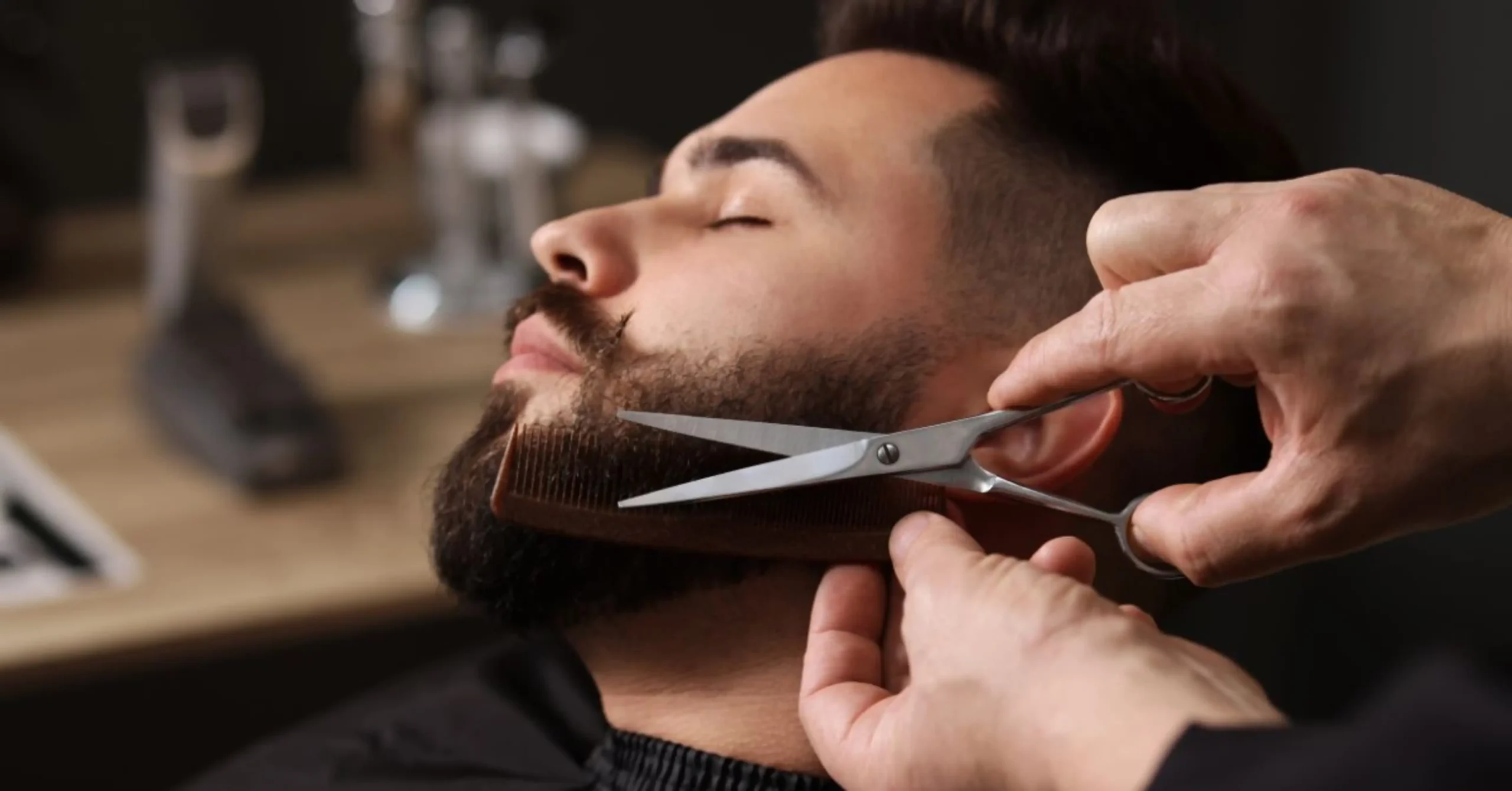
A badly trimmed mustache does not look like it needs a trim. It looks like the man wearing it does not care. Most men who struggle with their mustache are not dealing with bad hair. They are dealing with bad technique. Learning how to trim mustache correctly, once and properly, changes every result from this point forward.
How to trim mustache correctly involves four steps: comb the hair downward, set base length with a trimmer on a long guard, define the lip line using scissors with short controlled cuts, and shape the sides according to your specific style. Always trim dry hair, use light pressure, and make small incremental cuts rather than single large ones. Done in this order, a mustache trim takes under ten minutes and produces a clean, symmetrical result that holds its shape for seven to fourteen days.
The mustache is the most visible feature of a man’s grooming. Done right, it frames the face and signals intention. Done carelessly, it undermines everything else.
At HQ Barbershop in Dallas, our Moustache Trim in Dallas service is one of our most requested appointments. Our TDLR-licensed barbers know exactly how to read each man’s facial hair, face shape, and growth pattern before a single cut is made. Whether you maintain at home or visit us regularly, this guide gives you everything you need.
In this blog, we’ll cover the tools you need, the exact step-by-step technique for how to trim mustache properly, trimming guides for every major mustache style, the most common mistakes, and when a professional trim is worth booking.
The Tools You Need to Trim a Mustache Properly
Before technique, tools. Using the wrong equipment is the most common reason home mustache trims look inconsistent.
Mustache Comb
A fine-tooth mustache comb is the most important tool in this kit. It aligns the hair before every cut, acts as a cutting guide when used with scissors, and reveals the true length and direction of growth. Use it before every trimming session and between cuts during the session.
Plastic combs create static that makes the hair stand up unevenly. A metal or cellulose acetate comb works better for accurate trimming.
Small Grooming Scissors
Small, sharp grooming scissors give the most precise control for mustache trimming. They allow incremental cuts of one to two millimetres at a time, which is exactly what mustache trimming requires. Large scissors are difficult to control near the lip and lead to removing more than intended.
The scissors need to be sharp. Blunt scissors fold and crush the hair rather than cutting it cleanly. Folded ends cause split tips and ragged edges that ruin the finish of even a technically correct trim.
Beard Trimmer With Guard Attachments
A beard trimmer with multiple guard lengths handles bulk length reduction before the scissors do the detail work. Start on a long guard (8 to 10 mm), step down gradually, and never use a short guard on a mustache that depends on density without testing first on a less visible area.
The trimmer works efficiently on thicker, fuller mustaches. For shorter styles like the pencil mustache or stubble mustache, the trimmer with the right guard may be the only tool needed.
Good Mirror With Direct Lighting
This sounds obvious. It is not. Most bathroom mirrors use overhead lighting that creates downward shadows across the upper lip. Those shadows hide the very hairs you need to see. Use a well-lit mirror with front-facing light, natural daylight is ideal, or a makeup-style ring light setup.
Check your trim in normal lighting as well as strong direct light. A trim that looks sharp under one lighting condition should look good under both.
How to Trim Mustache: Step-by-Step Technique
This is the core of the guide. Follow these steps in order. Reversing or skipping steps is where mistakes happen.
Step 1: Start With Dry, Clean Hair
Always trim mustache on dry hair. This is non-negotiable. Wet hair appears longer than dry hair by roughly 15 to 20 percent depending on hair texture. Trimming wet means the hair contracts as it dries and you end up shorter than intended. Every time.
Wash and fully dry your mustache before starting. Comb it straight down. Let it sit for sixty seconds. Now you are looking at the real length.
Step 2: Comb Downward and Assess
Comb all the mustache hair straight downward toward the lip. This shows you the true length, reveals which hairs are crossing the lip line, and identifies any obvious asymmetry between the left and right sides.
Look from the front. Check both sides. Identify what needs to come off before you pick up any cutting tool.
Step 3: Set Base Length With the Trimmer
Select a guard length slightly longer than your target finished length. If you want the mustache to sit at about 8 mm, start with a 10 mm guard. Run the trimmer through the mustache in a downward direction to set an even base length across the full area.
This step removes bulk and creates a consistent foundation for the scissors to refine. Do not try to finish the trim with the trimmer alone. The guard leaves a uniform length but cannot define the shape, the lip line, or the sides precisely enough.
Step down one guard size if needed. Stop before you go too short.
Step 4: Define the Lip Line With Scissors
Comb the hair straight down again. Now use the scissors to trim the hairs that fall below or onto the upper lip.
Work from the centre outward. Use short cuts of one to two millimetres at a time. Follow the natural curve of the upper lip. Do not cut a perfectly straight horizontal line across the lip. A straight line looks unnatural and fights the shape of the face. The lip line should follow the curve of the mouth.
This is the most important cut in the entire trim. It takes longer here than anywhere else. Rushing the lip line is how a mustache ends up uneven or too short.
Step 5: Shape the Sides
The sides of the mustache define the style. Exactly how you shape them depends on which style you are maintaining. The general principle is the same for all styles: comb in the direction of growth, identify which hairs fall outside the intended shape, and remove them with small scissor cuts.
For most styles, the mustache ends at or just past the corners of the mouth. Do not extend the sides further than the corners unless the specific style requires it.
Work on one side, then the other. Step back and check from the front between the two sides. Do not try to trim both sides simultaneously.
Step 6: Check Symmetry and Finish
Step back from the mirror. Relax your face completely. Look directly at the mustache from the front. Check: Is the lip line even? Are both sides at the same length? Does the overall shape match the intended style?
Make only small corrections from this point. Identify the specific area that looks off, make one small adjustment, and check again. Never make large corrective cuts based on a first glance. Small cuts, look, small cuts again.
How to Trim Mustache by Style: A Complete Guide
The base technique stays the same, but each style has specific considerations.
How to Trim a Natural Mustache
The natural mustache has no defined edges beyond keeping the hair above the lip and within the width of the mouth. Trim the lip line every seven to ten days. Manage overall length with the trimmer on a consistent guard setting. The goal is tidy without being rigid.
Chevron Mustache
The chevron mustache is a thick, full style with diagonal sides forming an inverted V shape that ends at the corners of the mouth. Density at the centre is everything.
After setting base length with the trimmer, define the lip line with scissors using the centre-outward method. Then shape the diagonals: trim a chevron mustache along the downward angle from below the nose toward the corners of the mouth. Do not raise the corners. The downward angle is the defining feature of the chevron.
Handlebar Mustache
The handlebar mustache is the most technically demanding style to maintain at home. The bulk of the mustache trims the same way as a natural style, but the curled ends require separate attention.
The ends should be trimmed to remove split tips and any hairs growing against the curl direction. Use scissors only on the ends, never the trimmer. A small amount of mustache wax applied after trimming sets the curl and keeps the shape.
Pencil Mustache
The pencil mustache is a thin, precise line of hair just above the upper lip. It is the least forgiving style in terms of trimming. A few extra hairs on one side make the asymmetry obvious immediately.
Use the trimmer on a short guard (2 to 3 mm) for the base. Then clean the edges with scissors or a precision trimmer without a guard. The top edge should follow the natural line of the upper lip’s outline. The bottom edge is a clean line just above the lip.
Trim every five to six days. This style changes appearance with even two days of growth.
Walrus Mustache
The walrus mustache grows thick and droops over the lip intentionally. Trimming focus is on the sides and the occasional stray hair that grows noticeably longer than the rest.
Use the trimmer on a longer guard (10 to 12 mm) every three to four weeks to manage overall bulk. Scissors handle any long individual hairs that stand out. The walrus does not have precise defined edges. The aim is controlled fullness, not rigid shape.
When to Trim Mustache: Reading the Signals
Knowing the technique is half of it. Knowing when to act is the other half.
Four signals tell you a moustache trim is needed:
- Hair crossing onto the lip and causing discomfort during eating or speaking.
- Visible unevenness between the left and right sides.
- Stray hairs breaking the style’s silhouette, visible against a light background or under direct light.
- General loss of intentional shape, where the mustache looks like something that grew rather than something maintained.
Our full guide on when to trim a mustache covers the timing question in depth for every style type, including how growth rate affects the ideal schedule. For most styles, a light maintenance trim every five to seven days and a full shape trim every ten to fourteen days keeps the mustache consistently sharp.
How to Trim Mustache With a Beard
Wearing a mustache alongside a full beard adds a layer of complexity. The two need to be proportional to each other, and they do not always grow at the same rate.
The general principle: trim the beard first, then adjust the mustache to match the proportions. A mustache that is trimmed before the beard length is set often ends up too short or too long relative to the beard once the beard trim is complete.
Blending at the corners is the specific challenge. Where the mustache meets the beard at the corners of the mouth, the transition should be smooth rather than a hard line. Use a light scissor trim or a precision trimmer without a guard to soften that transition.
Our 2026 guide on how to trim moustache with beard covers the full blending technique and the correct sequence for managing both at once.
Does Trimming a Mustache Help It Grow Better
Hair grows from the follicle beneath the skin surface. Cutting the visible hair above the skin has no effect on the follicle’s activity or output. Growth rate is determined by genetics, androgen levels (primarily testosterone and DHT), age, diet, and overall health.
What regular trimming does do is improve the appearance of density by removing split ends and uneven lengths that make the hair look patchy. A well-trimmed mustache looks denser than a neglected one of the same actual density.
Our guide on does trimming beard help it grow covers this in full for beard hair, and the same biology applies directly to mustache growth.
When a Professional Moustache Trim Is Worth Booking
Home maintenance works well for men who trim regularly and follow correct technique. But certain situations benefit from a professional barber.
Starting a new style. If you are growing a chevron for the first time, or transitioning from a natural mustache to a handlebar, a barber sets the initial shape correctly. That shape becomes the template for home maintenance going forward.
Recovering from over-trimming. If one side came off too short or the lip line went uneven, a barber can blend and correct faster than home adjustments allow. Trying to fix an uneven trim at home often makes it worse.
Monthly professional reset. Some men maintain at home between visits and book a professional trim every four to six weeks to keep the shape precise. This approach produces consistently sharp results and removes the risk of cumulative errors from home trimming building up over time.
At HQ Barbershop in Dallas, our Moustache Trim service in Dallas is available for all styles and all stages. Walk-ins welcome at Oak Lawn Avenue, or book ahead for guaranteed availability.
Final Thoughts
How to trim mustache correctly is a skill that takes one good learning session and then pays off every time you pick up the scissors. Clean technique, the right tools, dry hair, small cuts, and a consistent schedule: that is the full picture.
Stop guessing, over-trimming and then growing it back. Get the technique right once and maintain it.
At HQ Barbershop in Dallas, our barbers deliver precise moustache trims for every style, every face shape, and every growth stage. Whether you need a first professional shape, a monthly reset, or advice on home maintenance, we are ready. Book your Moustache Trim in Dallas at HQ Barbershop today and leave with a mustache that looks exactly the way it should.
FAQs About How to Trim Mustache
Question: How do I trim my mustache without making it uneven?
Answer: Always trim dry hair, comb before every cut, work from the centre outward on the lip line, and make small incremental cuts rather than single large ones. Check symmetry from directly in front with a relaxed face.
Question: What guard should I use to trim a mustache?
Answer: Start with a guard longer than your target finished length, typically 8 to 10 mm for a medium-length mustache. Step down one guard size at a time and check between each pass. Never go directly to a short guard on a first pass. The trimmer sets bulk length. Scissors define the shape.
Question: How often should I trim my mustache?
Answer: Most styles need a light lip line trim every five to seven days and a full shape trim every ten to fourteen days. Shorter styles like the pencil mustache need trimming every five to six days. Fuller styles like the walrus or chevron can go closer to fourteen days between full trims.
Question: Should I use scissors or a trimmer to trim my mustache?
Answer:Both, in sequence. The trimmer manages overall bulk length. Scissors define the lip line, shape the sides, and handle detail work. Using only a trimmer without scissors produces a uniform length but lacks the precision needed for clean edges and style-specific shaping.
Question: Can I trim my mustache with beard clippers?
Yes, if the clippers have guard attachments that go down to the shorter lengths mustaches typically require (4 to 10 mm). Use the clipper for bulk length only. Switch to scissors for the lip line and side shaping. Clippers without fine guards remove too much for precise mustache work.