June 11, 2026
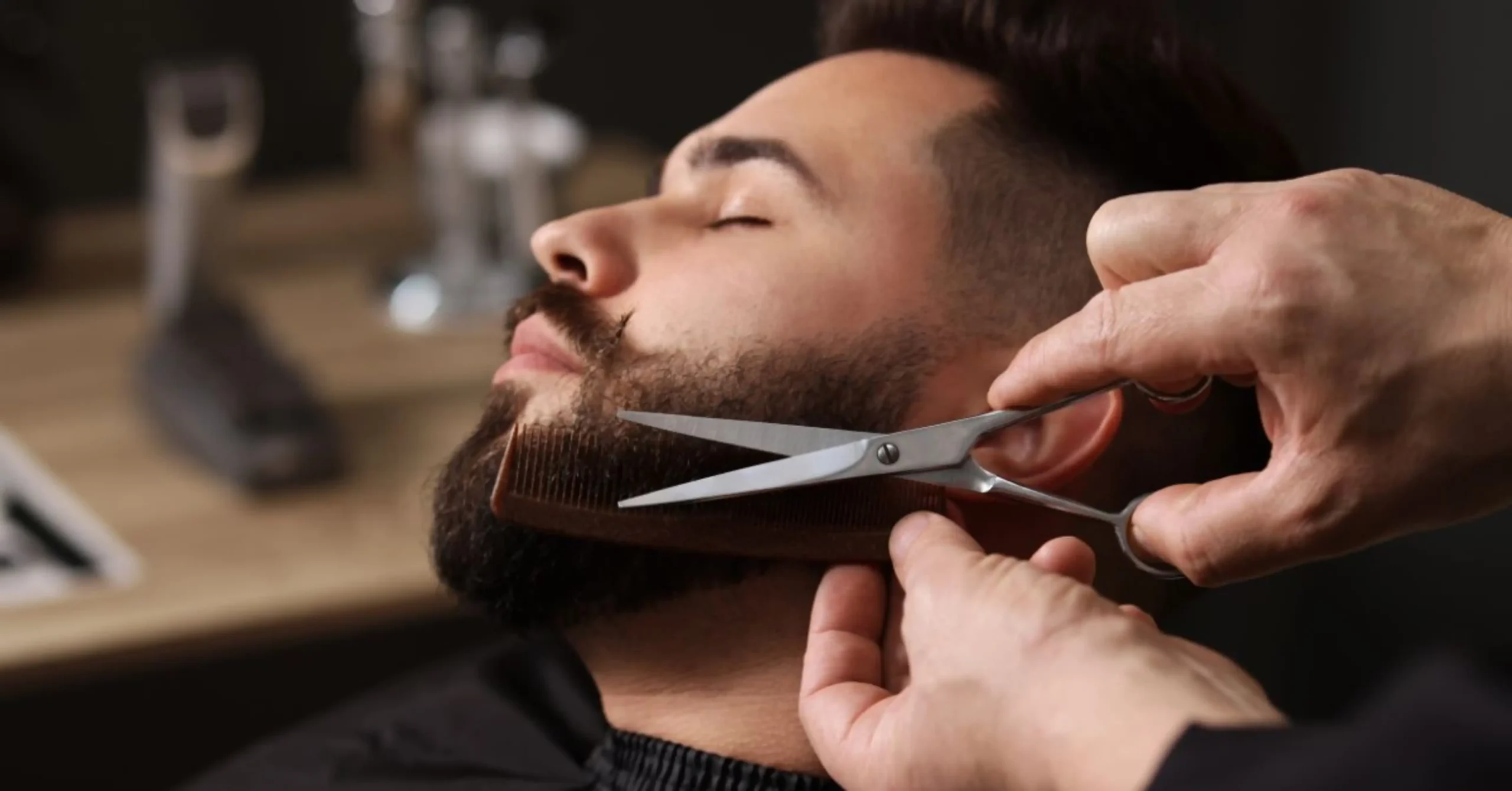
Most men wait too long. Or they trim too early. And both mistakes produce the same result: a mustache that never quite looks the way it should. Knowing when to trim a mustache is not about following a fixed calendar. It is about reading the signs your mustache is giving you and acting at exactly the right moment.
When to trim a mustache depends on the style, the rate of growth, and specific signals the hair gives as it grows. Generally, most mustache styles need trimming every seven to fourteen days. Lip coverage that causes discomfort, uneven length on either side, stray hairs extending past the style’s defined edges, and loss of shape are the four clearest signs that a trim is needed. Trimming at the right moment maintains the style without sacrificing the density that gives a mustache its character.
At HQ Barbershop in Dallas, our barbers handle mustache trims every day for men at every stage of growth. Our Moustache Trim in Dallas service is built around reading each man’s individual growth pattern and trimming at exactly the right moment for the best result.
In this blog, we’ll cover every signal that tells you when to trim a mustache, how trimming frequency changes by style, how to trim correctly once the time comes, and what happens when you wait too long or go too soon.
The Four Signs That Tell You When to Trim a Mustache
Forget the calendar for a moment. Before anything else, learn to read the mustache itself. These four signals are more reliable than any fixed schedule.
Signal 1: Hair Is Crossing the Lip Line
This is the clearest and most universal sign. When mustache hair starts falling over the upper lip and into the mouth during eating, drinking, or speaking, the trim is overdue.
For most mustache styles, the hair should sit just above the lip or lightly touch it without covering it. Once it crosses that line consistently, it becomes uncomfortable and looks unkempt regardless of how well the rest of the style holds its shape.
Some men with thicker or faster-growing facial hair reach this point in as little as five days. Others take two weeks or more. The lip line test is the one reliable signal that works across all mustache types and growth rates.
Signal 2: The Sides Look Uneven
Facial hair rarely grows at a perfectly symmetrical rate. The left side often grows slightly faster than the right, or vice versa. Once the difference becomes visible, the mustache looks lopsided even if the overall length is still within range.
Stand in front of a well-lit mirror and look directly at your mustache from the front. If one side extends noticeably further than the other, the trim is needed now, not in three more days.
Waiting for the slower side to catch up does not work. The faster side keeps growing. Trim the longer side to match and re-check after a few more days.
Signal 3: Stray Hairs Are Breaking the Shape
Every mustache style has a defined silhouette. When hairs start growing outside that silhouette, the style breaks down. A few rogue hairs above the lip line, hairs extending past the corners of the mouth on a chevron, curls losing their direction on a handlebar: these are all signals that when to trim a mustache is right now.
These stray hairs are easy to miss in casual bathroom lighting. Check under direct, even lighting when assessing shape. Side lighting creates shadows that hide the hairs most likely to need trimming.
Signal 4: The Style Has Lost Its Intention
This one is harder to define but easy to feel. A well-maintained mustache looks like it was designed and cared for. An overdue mustache looks like something that just happened to a face.
When you look in the mirror and the mustache looks untidy rather than styled, even without a specific identifiable flaw, that perception is the signal. The trim is needed. This usually happens between ten and fourteen days for most styles, regardless of whether the other three signals have appeared yet.
When to Trim a Mustache by Style Type
Different mustache styles have different growth dynamics. When to trim a mustache depends heavily on which style you are maintaining.
The Natural Mustache
The natural mustache has no defined edges or specific shape beyond keeping the hair generally above the lip and within the width of the mouth. It is the most forgiving style in terms of timing.
Most men with a natural mustache need a trim every ten to fourteen days. The main maintenance task is keeping the lip line clear and the length even across the top.
The Chevron Mustache
The chevron mustache is a thick, full style with diagonal sides forming an inverted V shape. It relies on density at the centre and clean diagonal edges at the sides.
Trim every seven to ten days for the lip line. The diagonals at the sides grow more slowly and typically need reshaping every two to three weeks. The centre density is the most critical element. Do not trim the centre more than necessary.
Our full guide on how to trim a moustache properly covers the chevron technique in detail.
The Handlebar Mustache
The handlebar mustache is the most time-sensitive style for trimming. The curled ends require regular attention because the weight of growing hair pulls the curl downward and changes the shape faster than any other style.
Trim the bulk of the handlebar every seven to ten days. The ends and the curl definition may need reshaping as often as every five to seven days depending on how fast the hair grows. Our detailed guide on how to trim a handlebar mustache walks through the exact technique for maintaining the curl and the symmetry.
The Pencil Mustache
The pencil mustache is a thin line of hair just above the upper lip. Because it is so fine and narrow, small amounts of growth create a disproportionately large visual change. This style needs trimming more frequently than any other: every five to seven days at minimum to maintain the clean, defined line that the style requires.
The Walrus Mustache
The walrus mustache grows long and thick, drooping over the lip. It is one of the least demanding styles in terms of trimming frequency because the drooping length is intentional.
The main trimming task is keeping the hair from growing so long that it causes irritation during eating. Most walrus mustache wearers trim every three to four weeks, managing mostly the sides and any hairs that grow noticeably longer than the rest.
The Stubble Mustache
A stubble mustache kept at a very short, controlled length needs the most frequent trimming: every two to four days using a trimmer with a short guard. At this length, even two or three days of growth visibly changes the look. The tradeoff is that each trimming session takes under two minutes.
How Growth Rate Affects When to Trim a Mustache
Not every man’s mustache grows at the same speed. Facial hair grows at roughly 0.3 to 0.5 mm per day on average, according to dermatological research. But individual variation is significant. Genetics, age, hormonal profile, diet, and sleep quality all affect facial hair growth rate.
Testosterone and dihydrotestosterone (DHT) are the primary hormones driving facial hair growth. Men with higher androgen sensitivity tend to grow facial hair faster and with greater density. This directly affects trimming frequency.
If you find yourself needing a trim every five to six days rather than the typical seven to ten, you simply grow faster. Adjust your schedule accordingly rather than forcing a fixed interval that does not suit your biology.
Regular trimming does not make a mustache grow faster. The hair grows from the follicle beneath the skin. Cutting the visible hair has no effect on the follicle’s growth rate. Our guide on does trimming beard help it grow covers this in full, and the same principle applies directly to mustache growth.
What Happens When You Trim Too Early
Trimming before the mustache has settled is one of the most common mistakes during the early growth phase.
In the first two to four weeks of growing a mustache, the hair is establishing its density. Different follicles activate at different times. A patchy area at week two may fill in significantly by week four. If you trim too aggressively during this phase, you cut into growth that would have improved the overall look.
During the first four weeks, trim only what is absolutely necessary. Clear the lip line if the hair causes discomfort. Remove obvious stray hairs. But avoid any reshaping or length reduction beyond the minimum until you have at least four to six weeks of growth to work with.
The problem with over-trimming early is that you never get to see what the mustache could actually become. Men often give up on a style during this phase, deciding the mustache does not suit them, when in reality they just trimmed it before it had a chance to show its potential.
What Happens When You Trim Too Late
Waiting too long creates a different set of problems, but they are equally significant.
A mustache that has not been trimmed in three to four weeks beyond its ideal window has usually changed shape in ways that require more than a maintenance trim to correct. The diagonals on a chevron have lost their angle. The ends of a handlebar have lost their curl direction. A natural mustache has started to look completely unstyled rather than intentionally relaxed.
At this point, correcting the shape requires removing more hair than a regular maintenance trim would. For styles that rely on density, this is a meaningful setback. The right trimming schedule keeps the mustache always within its intended shape, never needing a dramatic correction.
How to Trim a Mustache Correctly Once the Time Is Right
Knowing when to trim a mustache is only half of it. The technique matters equally.
Use the Right Tools
A fine-tooth mustache comb and small grooming scissors give the most control for mustache trimming. The comb aligns the hair before each cut and acts as a guide for maintaining even length. Scissors allow you to take off precise, small amounts rather than the larger increments a trimmer guard forces.
A beard trimmer works well for managing bulk length, particularly on thicker mustache styles like the chevron or walrus. Use it on a longer guard first and step down gradually. Never use a short guard directly on a style that depends on density.
Always Trim Dry
Wet hair is longer than dry hair. Trim your mustache when it is fully dry to see its true length. Trimming wet leads to cutting more than intended, because the hair shortens as it dries.
Comb First, Cut Second
Comb the mustache downward before trimming the lip line. This reveals exactly which hairs are crossing over onto the lip. Cut only those hairs. Do not pull the comb tight against the skin and cut everything above it. That removes too much.
For shaping the sides, comb in the direction of growth and trim stray hairs that fall outside the style’s edge. Small cuts, check, small cuts again. Never make one large cut and assume it is right.
Check Symmetry From the Front
After trimming, step back from the mirror and check symmetry from directly in front. Relax your face completely. A tensed lip or jaw distorts the apparent symmetry.
If one side looks slightly longer, trim a small amount from that side only. Do not start trimming from both sides trying to even things up. That is how mustaches end up smaller than intended.
When to See a Professional Barber for a Mustache Trim
If you are growing a new mustache style and need the initial shape set correctly, a professional trim establishes the foundation that home maintenance then preserves. Getting the first trim done by a skilled barber gives you a clear template to follow at home.
If you have over-trimmed and need blending or correction, a barber can recover the shape faster and more cleanly than home adjustments usually allow. And if you want a monthly professional reset alongside regular home maintenance, the result is a mustache that consistently looks sharp rather than just acceptable.
Our Moustache Trim service in Dallas at HQ Barbershop covers all of this. Our barbers assess your current mustache shape, discuss the style you are aiming for, and deliver a precise trim that is easy to maintain at home. Walk-ins are welcome, or book ahead to secure your time.
For men who wear their mustache alongside a beard, the trimming schedule needs to account for both. Our guide on how to trim moustache with beard covers how to manage the proportions and timing when both are in play.
Building a Mustache Trimming Schedule That Actually Works
The most effective approach is a two-layer schedule: light maintenance frequently, full trims less often.
- Every five to seven days: Check the lip line. Remove any hairs crossing onto the lip. Clear obvious stray hairs outside the style’s edges. This session takes three to five minutes and keeps the mustache consistently presentable.
- Every ten to fourteen days: Do a full trim. Manage overall length, re-establish the shape, check symmetry, and clean up any areas that the frequent maintenance sessions have not fully addressed. This session takes ten to fifteen minutes.
- Every four to six weeks: Professional barbershop trim to reset the shape professionally and catch anything that home trimming has missed.
This schedule works for the majority of mustache styles and growth rates. Men who grow faster may shift the frequency slightly. Men with slower growth can extend the intervals. But the two-layer approach, frequent light maintenance combined with periodic full trims, is what keeps a mustache consistently sharp without requiring daily attention.
Final Thoughts
A great mustache is not about genetics or luck. It is about timing. Knowing when to trim a mustache, acting on the right signals, and maintaining a consistent schedule is what separates a mustache that commands attention from one that just exists on a face.
Read the signs. Trim at the right moment. Do not wait until the shape has gone, and do not cut before the growth has settled.
At HQ Barbershop in Dallas, our barbers understand mustache timing, technique, and maintenance for every style. Whether you want a professional trim to reset the shape or advice on building a home routine that actually works, we are here for it. Our TDLR-licensed barbers at Oak Lawn Avenue are available Monday through Sunday.
Book your Moustache Trim in Dallas at HQ Barbershop and let us show you exactly when and how your mustache should be trimmed.
FAQs About When to Trim a Mustache
Question: How often should I trim my mustache?
Answer: Most mustache styles need a light maintenance trim every five to seven days and a full shape trim every ten to fourteen days. Styles that rely on very precise edges, like the pencil mustache, need trimming every five to seven days. Thicker, fuller styles like the chevron or walrus can go ten to fourteen days between full trims.
Question: How do I know when my mustache needs a trim?
Answer: Four signals tell you it is time: hair crossing onto the lip, visible unevenness between the two sides, stray hairs breaking the style’s defined shape, and a general loss of intentional appearance. Any one of these signals means the trim should happen today, not in a few more days.
Question: Can I trim my mustache too often?
Answer: Yes. Trimming more often than needed, particularly during the early growth phase, removes the density that the mustache needs to build its shape. During the first four to six weeks of growing a new mustache, trim only the minimum necessary to keep the lip line comfortable.
Question: Should I trim my mustache wet or dry?
Answer: Always dry. Wet hair is longer than dry hair. Trimming wet causes you to remove more than intended. The mustache then appears shorter than you wanted once it dries. Always trim on a completely dry mustache.
Question: Does trimming a mustache make it grow faster or thicker?
Answer: No. Trimming removes the visible hair above the skin surface. It has no effect on the hair follicle below the skin. Growth rate and density are determined by genetics and hormonal profile, not by trimming frequency. Regular trimming keeps the mustache looking healthy and well-shaped, but it does not accelerate growth.