September 22, 2026
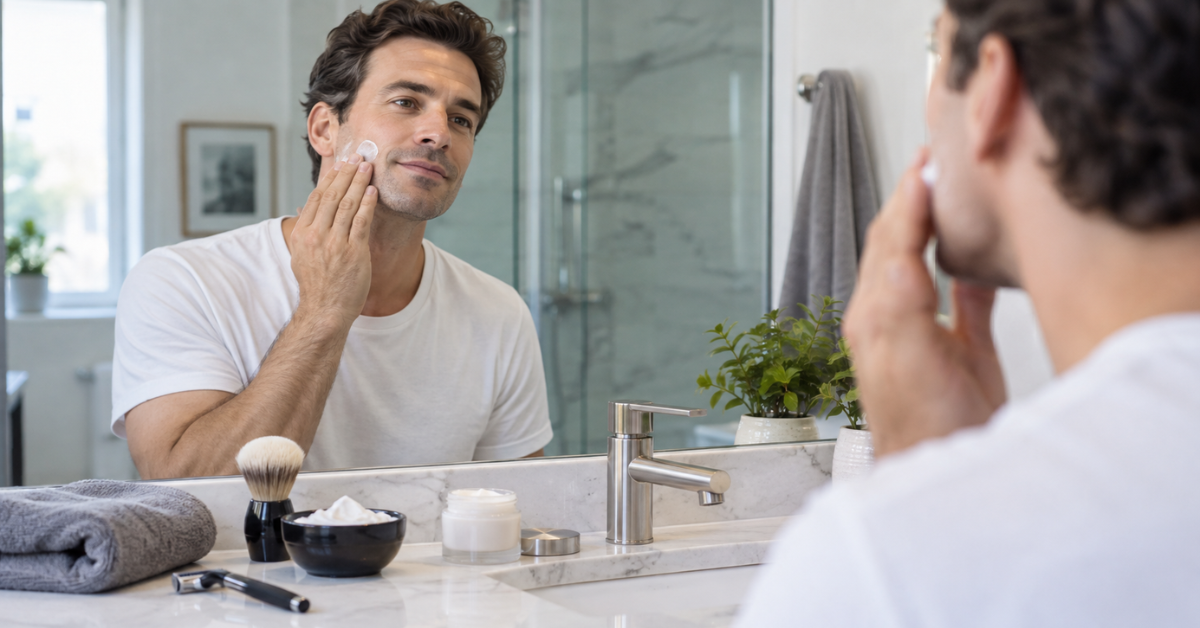
To prevent razor burn after shaving your face, soften your beard first, use a moisturizing shaving cream or gel, shave with the grain, use light pressure, and avoid repeated passes. A sharp, clean razor also matters because dull blades can drag across the skin and increase irritation.
Razor burn is different from razor bumps. Razor burn usually appears as temporary redness, burning, itching, or irritation shortly after shaving. Razor bumps are often caused by hairs curling back into the skin.
The American Academy of Dermatology recommends wetting the skin and hair before shaving, using moisturizing shaving cream, shaving in the direction of hair growth, and replacing disposable blades after five to seven shaves.
At HQ Barbershop in Oak Lawn, Dallas, we know that a comfortable face shave depends on preparation, technique, and aftercare. Here are seven practical ways to reduce razor burn without giving up a clean shave.
Key Takeaways
- Prepare your beard before putting a razor on your skin.
- Shave after a warm shower when possible.
- Use moisturizing shaving cream or gel.
- Shave with the direction of hair growth.
- Use short strokes and light pressure.
- Avoid repeatedly shaving the same area.
- Replace dull blades regularly.
- Moisturize your skin after shaving.
- Stop shaving irritated skin until it settles.
What Causes Razor Burn?
Razor burn is skin irritation caused by shaving, often from friction, pressure, dry shaving, or shaving too closely. It can appear as redness, burning, itching, tenderness, or a blotchy rash shortly after shaving.
Common causes include:
- Shaving dry skin
- Using too much pressure
- Shaving against the grain
- Using a dull blade
- Making too many passes
- Shaving too quickly
- Using irritating aftershave products
- Shaving already-irritated skin
Your shaving routine can therefore make a major difference.
A very close shave is not always the most comfortable shave. If getting perfectly smooth skin repeatedly leaves your face burning, reducing closeness may help.
Razor Burn vs Razor Bumps

Razor burn is mainly irritation, while razor bumps are usually raised bumps that develop when shaved hairs curve back into the skin. They can appear together, but they are not exactly the same problem.
| Razor Burn | Razor Bumps |
| Red or blotchy irritation | Raised bumps |
| Burning or stinging | Itching or tenderness |
| Often appears soon after shaving | Can develop after shaving |
| Mainly caused by irritation | Often involves ingrown hairs |
| Usually temporary | Can recur with shaving |
This distinction matters when choosing your approach.
If your main problem is raised bumps rather than redness and burning, read our guide on how to get rid of razor bumps.
7 Ways to Prevent Razor Burn After Shaving Your Face
1. Soften Your Beard Before Shaving
Softening your facial hair before shaving reduces the amount of force needed to cut it. Wet your beard and skin with warm water for at least 2 to 3 minutes before applying your shaving product.
Shaving at the end of a shower is one practical option – see our guide on whether to shave before or after your shower for the full reasoning.
You can also hold a warm, damp washcloth against your beard area for 2 to 3 minutes. A proper hot towel shave at the barbershop takes this a step further with heat and steam.
The goal is simple: give the facial hair enough moisture before the blade touches your skin.
Avoid starting with a completely dry beard. Dry shaving increases friction and can make the shaving process less comfortable.
2. Use a Moisturizing Shaving Product
A moisturizing shaving cream or gel creates lubrication between your skin and the razor. This helps the blade move across the surface without unnecessary friction.
Apply enough product to cover the areas you plan to shave.
Let it sit briefly before starting. If your skin is dry or sensitive, choose a product specifically designed for sensitive skin.
The product should remain wet while you shave. If it dries out, add more rather than dragging a razor across poorly lubricated skin.
If you are unsure whether cream or gel fits your routine, our guide on Shaving Cream vs Shaving Gel explains the main differences and what to consider.
3. Shave With the Grain
Shaving in the direction your facial hair grows can reduce irritation and lower the chance of shaving too closely. This is one of the most important technique changes for men who regularly experience razor burn.
Your beard may not grow in one direction everywhere.
For example, hair on your cheeks may grow downward while hair around your neck grows sideways or upward. Before shaving, run your fingers lightly across the beard area.
4. Use Light Pressure and Short Strokes
Use light pressure and short strokes instead of pressing the razor firmly against your skin. A razor should glide over the skin rather than scrape across it.
Keep your movements controlled. After each stroke, rinse the blade to remove hair and shaving product.
Avoid repeatedly going over the same area. If one small section needs another pass, reapply shaving product first.
This is particularly important around the neck, where hair direction can change quickly.
The AAD recommends light shaving technique and avoiding stretching the skin taut when men are prone to shaving irritation.
5. Use a Sharp, Clean Razor
A sharp blade cuts facial hair more efficiently and helps reduce the dragging that can contribute to irritation. A dull blade can require more pressure and more passes.
Replace disposable or cartridge blades regularly.
The AAD recommends replacing a disposable razor after approximately five to seven shaves.
Also rinse the blade during your shave. Afterward, rinse and dry the razor before storing it.
Do not leave it sitting wet in the shower. A clean, dry razor is easier to maintain between shaves.
6. Avoid Chasing the Closest Possible Shave
The closer you shave, the more important technique becomes, and an extremely close shave can be harder on irritation-prone skin. If you regularly experience razor burn, try leaving slightly more hair rather than repeatedly passing over the same area.
This does not mean you need to give up a clean appearance.
Instead:
- Use fewer passes.
- Reduce pressure.
- Shave with the grain.
- Avoid stretching the skin.
- Stop when the desired finish is achieved.
For some men, a slightly less close shave creates a better balance between appearance and comfort. If you do want maximum closeness, our closest shave guide explains how to get there with less irritation risk.
If you prefer a completely smooth finish, professional preparation and technique can also help.
7. Moisturize After Shaving
Moisturizing after shaving helps keep the skin comfortable and supports its moisture barrier. Rinse away the remaining shaving product, gently pat your face dry, and apply a suitable moisturizer.
Avoid products that sting or burn your skin.
If your skin is sensitive, look for fragrance-free options.
You do not need a complicated post-shave routine – a gentle moisturizer may be enough. If you want to build shaving into a fuller routine, our men’s skincare routine guide covers what to use before and after.
If your face already feels irritated, avoid immediately adding aggressive exfoliants or other potentially irritating products.
What Should You Do Immediately After Shaving?

After shaving, rinse your face gently, pat it dry, and apply a suitable moisturizer. If your skin feels hot or irritated, a cool, damp washcloth can provide temporary comfort.
A simple post-shave routine is:
- Rinse away shaving cream.
- Use cool or lukewarm water.
- Pat your face dry.
- Apply a gentle moisturizer.
- Avoid shaving the irritated area again.
Do not rub your face aggressively with a towel. Likewise, avoid applying multiple new skincare products immediately after shaving. Your skin has already experienced friction from the razor.
Keep the next steps simple.
How Often Should You Shave to Avoid Razor Burn?
There is no single shaving schedule that prevents razor burn for every man. Your ideal frequency depends on hair growth, skin sensitivity, shaving technique, and how closely you shave.
Some men shave every day. Others shave every few days.
If shaving every day consistently causes irritation, giving your skin more recovery time may help. On the other hand, some men who experience razor bumps may benefit from shaving more regularly because longer hairs have more opportunity to curl back toward the skin.
The key is to separate razor burn from razor bumps. For more guidance on finding a suitable schedule, see How Often Should I Shave My Face?.
How to Prevent Razor Burn on the Neck
Preventing razor burn on the neck requires extra attention to hair-growth direction because neck hair often grows in several directions. Do not automatically shave upward or downward across the entire neck.
Before shaving:
- Check the direction of growth.
- Apply plenty of shaving product.
- Use light pressure.
- Take short strokes.
- Avoid repeated passes.
- Do not stretch the skin tightly.
The neck is also an area where men often try to create a very sharp line. You can define the neckline without repeatedly scraping the surrounding skin – our guide on shaving the beard neckline covers the technique in more detail.
If an area starts burning while you shave, stop going over it.
Can Shaving Cream Prevent Razor Burn?
Shaving cream can help prevent razor burn by providing lubrication and helping soften facial hair before the blade passes over the skin. It works best when combined with proper shaving technique.
A shaving cream cannot compensate for:
- A dull blade
- Heavy pressure
- Shaving against the grain
- Repeated passes
- Dry shaving
Think of shaving cream as one part of the process.
Good preparation and technique still matter.
Can Aftershave Cause Razor Burn?
Yes, some aftershave products can irritate freshly shaved skin, particularly if they contain ingredients that your skin does not tolerate well. A product that creates strong stinging or burning is not necessarily doing a better job.
If your skin reacts after applying an aftershave:
- Stop using the product.
- Rinse if necessary.
- Use a gentle moisturizer.
- Avoid shaving the area until it settles.
Choose simple products when your skin is sensitive. Your post-shave routine should leave your skin comfortable rather than intensely irritated.
What to Do If Razor Burn Already Appears
If razor burn has already developed, stop shaving the affected area and give the skin time to settle. A cool, damp washcloth and a gentle moisturizer can help make the area feel more comfortable.
For the next few days:
- Avoid shaving the irritated area.
- Do not scrub the skin.
- Avoid irritating products.
- Keep the area moisturized.
- Use a cool compress if helpful.
Razor burn commonly clears within hours to a few days. If it does not improve, becomes severe, or appears infected, seek medical advice.
When Should You See a Dermatologist?
See a dermatologist if your shaving irritation is persistent, severe, repeatedly returns despite changing your technique, or appears infected. Ongoing redness, swelling, painful lesions, or significant skin changes may need professional evaluation.
Do not assume every post-shave bump is razor burn. It could be razor bumps, folliculitis, acne, contact irritation, or another skin condition.
A dermatologist can help identify the cause and recommend appropriate treatment.
Frequently Asked Questions
Q1: How do I prevent razor burn when shaving my face?
Prevent razor burn by softening your beard with warm water, using moisturizing shaving cream or gel, shaving with the grain, applying light pressure, and avoiding repeated passes. Use a sharp blade and moisturize your skin afterward.
Q2: Why do I get razor burn every time I shave?
Frequent razor burn can result from dry shaving, shaving too closely, using too much pressure, shaving against hair growth, or using a dull blade. Changing your preparation and technique can reduce irritation. Persistent symptoms should be evaluated by a dermatologist.
Q3: Should I shave against the grain for a closer shave?
Shaving against the grain can produce a closer result but may increase irritation and the risk of razor bumps. If you regularly experience razor burn, start by shaving with the direction of hair growth and use fewer passes.
Q4: Is shaving cream or gel better for razor burn?
Both shaving cream and gel can help reduce razor burn by providing lubrication and helping soften facial hair. Choose a moisturizing formula that your skin tolerates well. Your technique, blade condition, and shaving direction also matter.
Q5: How often should I change my razor?
Disposable razor blades should generally be replaced after about five to seven shaves, according to American Academy of Dermatology guidance. Replace a blade sooner if it becomes dull, damaged, or difficult to use comfortably.
Q6: How long does razor burn last?
Razor burn can last from several hours to a few days. Avoid shaving the affected area while it heals. If the irritation does not improve or becomes worse, seek medical advice.
Professional Face Shaving in Dallas
Learning how to prevent razor burn starts with preparation, lubrication, controlled technique, and proper aftercare. Soften the beard first, shave with the grain, use light pressure, keep your blade sharp, and avoid unnecessary passes.
If razor burn keeps happening, do not simply add more products. First examine how closely you shave, which direction you shave, how much pressure you use, and how often you replace your blade.
At HQ Barbershop in Oak Lawn, Dallas, professional shaving focuses on preparation and controlled razor work. If you want a professional grooming experience, explore our Face Shave service.
A good shave should leave your face clean and comfortable-not red and burning.