August 31, 2026
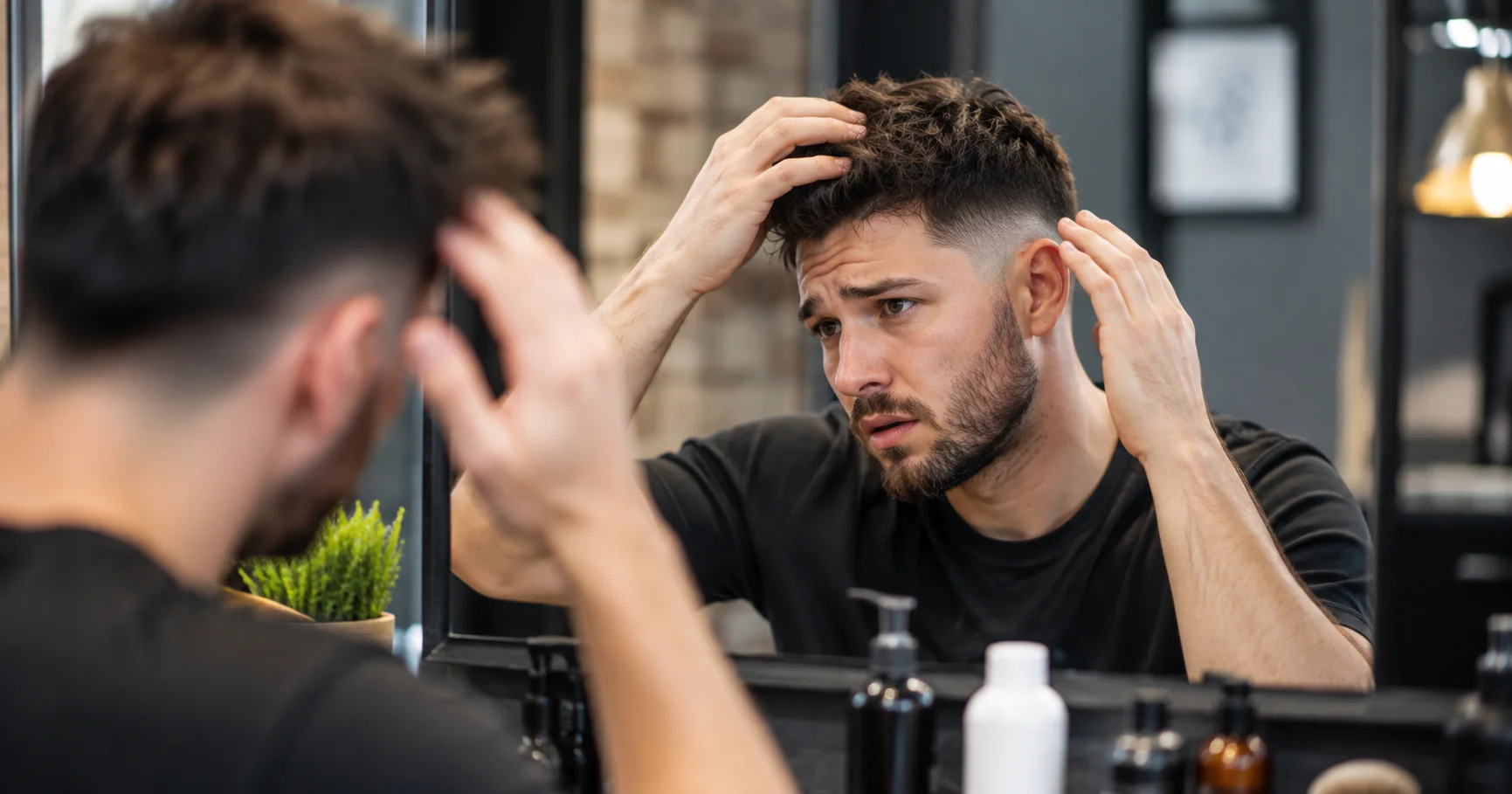
To get rid of razor bumps, stop irritating the area, avoid picking or squeezing the bumps, and adjust how you shave. If you keep getting bumps, shaving less closely and following the direction of hair growth can help reduce new flare-ups.
Razor bumps are common after shaving, especially around the beard and neck. They can look like small pimples and may itch, sting, or feel tender. Curly or tightly curled facial hair can increase the risk because cut hairs can curve back toward the skin.
At HQ Barbershop in Oak Lawn, Dallas, we know that shaving If you want to improve your shaving technique without increasing irritation, our guide on how to get the closest shave explains how to prepare your skin and beard before shaving. If razor bumps keep appearing around your neck, our guide on how to shave your beard on the neck covers techniques for handling this area more carefully. This guide explains how to get rid of razor bumps, what to do when they appear, how to prevent them, and when it is better to see a dermatologist.
Key Takeaways
- Razor bumps often develop when shaved hairs curve back into the skin.
- Curly and tightly curled facial hair can increase the risk.
- Avoid picking, squeezing, or plucking hairs inside bumps.
- Shave in the direction your hair grows.
- Use warm water and shaving cream before shaving.
- Avoid excessive pressure and repeated passes.
- A less-close shave may help prevent recurring bumps.
- Persistent or severe bumps may need evaluation by a dermatologist.
What Are Razor Bumps?

Razor bumps are irritated bumps caused by hairs that curve back into the skin after shaving. The medical term is pseudofolliculitis barbae, and the condition commonly affects the beard and neck areas.
After a close shave, the cut hair can grow back toward the skin instead of outward. Your skin then reacts to the hair, creating a raised, inflamed bump.
Razor bumps are not the same as razor burn. Razor burn is usually a red, irritated rash caused by shaving friction, while razor bumps tend to look more like small pimples around individual hairs.
Are Razor Bumps Ingrown Hairs?
Razor bumps are closely linked to ingrown hairs. An ingrown hair happens when a removed hair grows back and curves into the skin. This reaction can produce the bumps associated with pseudofolliculitis barbae.
Why Do Razor Bumps Happen?
Razor bumps usually happen when shaving leaves hairs short enough to curve back into the skin. Shaving against the grain, stretching the skin, using too much pressure, and making repeated passes can increase irritation or encourage very close shaving.
Several factors can contribute:
- Very close shaving
- Curly or tightly curled facial hair
- Shaving against hair growth
- Stretching the skin while shaving
- Pressing the razor too hard
- Repeatedly shaving the same area
- Using a dull blade
- Dry shaving or insufficient lubrication
Does Curly Hair Increase Razor Bumps?
Yes. Curly facial hair can increase the risk of razor bumps because the hair may curve back toward the skin after it is cut. Mayo Clinic identifies tightly curled hair as a major risk factor for ingrown hairs.
This does not mean men with straight facial hair cannot get razor bumps. Shaving technique and how closely the hair is removed still matter.
How to Get Rid of Razor Bumps
The best way to get rid of razor bumps is to reduce further irritation while changing the shaving habits that may be causing them. Avoid picking or squeezing the bumps, and consider taking a break from close shaving if possible.
Stop Shaving the Irritated Area
If shaving keeps irritating the same area, give the skin a break. Growing the beard out can remove the trigger because the hairs are no longer being repeatedly cut close to the skin.
You do not need to stop shaving permanently. If you prefer a clean-shaven look, focus on changing your technique once the skin has settled.
Avoid Picking or Squeezing
Do not squeeze, scratch, or dig at razor bumps. Also avoid plucking hairs from inside a bump.
These actions can create additional irritation and make the skin harder to manage. The American Academy of Dermatology specifically advises against pulling or stretching the skin while shaving and plucking hairs inside razor bumps.
Use Gentle Skin Care
Keep the affected area clean and avoid products that sting or irritate your skin.
Before shaving, the American Academy of Dermatology recommends washing with a gentle, non-comedogenic cleanser. A moisturizing shaving cream can then provide lubrication during the shave.
Use a Warm Compress
A warm, damp cloth can help soften facial hair before shaving. The AAD recommends holding a warm compress on the beard area for about five minutes or shaving at the end of a shower.
The goal is not to instantly remove existing bumps. It is to prepare the hair and skin for a less irritating shave.
How to Shave Without Razor Bumps
To shave with less risk of razor bumps, soften your facial hair, use shaving cream, shave with the grain, use light pressure, and avoid repeated passes over the same area. The American Academy of Dermatology recommends these techniques for men prone to razor bumps.
Follow this routine:
- Wash your face gently. Remove dirt and excess oil before shaving.
- Soften your facial hair. Shave after a shower or use a warm, damp cloth.
- Apply shaving cream. Give it time to soften the hair before you start.
- Find your growth direction. Facial hair can grow in different directions across the beard and neck.
- Shave with the grain. Follow the direction your hair naturally grows.
- Use short, light strokes. Avoid pressing hard against the skin.
- Limit repeated passes. Try not to shave the same area more than necessary.
- Rinse gently. Remove remaining shaving cream after the shave.
- Cool the skin. A cool, damp cloth can soothe freshly shaved skin.
- Store your razor properly. Keep it clean and dry between shaves.
For a deeper look at shaving technique, see our guide to how to get the closest shave.
How to Prevent Razor Bumps on Your Neck
Preventing razor bumps on your neck starts with understanding how the hair grows and avoiding an unnecessarily close shave. Neck hair often changes direction, so using the same shaving direction across the entire area may not work well.
Before shaving, look closely at the neck and identify the direction of growth. Then follow that pattern rather than automatically shaving downward.
You may also need to leave slightly more hair behind if close shaving repeatedly causes bumps.
Our guide on how to shave your beard on the neck covers the area in more detail.
Razor Bumps vs Razor Burn

Razor bumps and razor burn can look similar, but they are different problems.
| Issue | Typical appearance | Common cause |
| Razor bumps | Small, raised bumps around hairs | Hair curves back into the skin |
| Razor burn | Red, irritated or blotchy skin | Shaving friction and irritation |
| Ingrown hair | Hair grows into or under the skin | Hair curves back instead of growing outward |
Razor burn often appears shortly after shaving and may clear within hours or a few days. Razor bumps are more closely associated with ingrown hairs and can keep recurring when the shaving trigger continues.
How Long Do Razor Bumps Last?
There is no single recovery time for razor bumps because it depends on the severity and whether the area continues to be irritated. Some bumps improve as the affected hairs grow out, while recurring or persistent cases may need professional medical evaluation.
If you keep shaving very closely over the same area, new bumps can continue to appear. Changing the shaving routine is therefore just as important as managing the existing irritation.
If the problem keeps returning despite changing your shaving habits, a dermatologist can help determine the cause and appropriate treatment.
When Should You See a Dermatologist?
See a dermatologist if razor bumps keep returning, do not clear, become significantly painful, or lead to noticeable skin changes or scarring. Persistent bumps can sometimes require treatment beyond changes to shaving technique.
You should also seek medical advice if you are unsure whether the bumps are actually razor bumps. Other skin conditions can look similar.
A dermatologist can determine whether you are dealing with pseudofolliculitis barbae, folliculitis, ingrown hairs, or another condition.
Professional Shaving for Razor-Bump-Prone Skin
A professional barber can adjust the shaving approach around your beard-growth pattern, desired closeness, and skin concerns. That can be especially useful when you repeatedly develop bumps around the neck or jawline.
At HQ Barbershop in Oak Lawn, Dallas, we can assess how your facial hair grows and adjust the service accordingly. We focus on the shave you want while avoiding unnecessary passes and excessive pressure.
If you want professional guidance instead of repeatedly troubleshooting your shave at home, explore our Face Shave in Dallas service.
You can also learn more about how often you should shave your face and how shaving frequency can affect your routine.
How to Prevent Razor Bumps Long Term
Long-term prevention comes down to controlling how closely and how often you shave, while following the natural direction of your facial hair. Consistent preparation and technique can reduce repeated irritation.
A practical routine looks like this:
- Check your hair-growth direction before shaving.
- Soften your beard with warm water.
- Use moisturizing shaving cream.
- Shave with the grain.
- Keep pressure light.
- Avoid unnecessary passes.
- Replace dull blades.
- Keep your razor dry between shaves.
- Consider leaving slightly more length if close shaving triggers bumps.
For men who repeatedly experience razor bumps, changing the goal from the closest possible shave to the cleanest comfortable shave can make a meaningful difference.
Razor Bumps FAQs
How do you get rid of razor bumps fast?
To get rid of razor bumps, reduce shaving irritation, avoid picking or squeezing the bumps, and let the affected hairs grow out when possible. When you resume shaving, use warm water, moisturizing shaving cream, light pressure, and strokes that follow hair growth. Persistent bumps should be evaluated by a dermatologist.
How long do razor bumps last?
Razor bumps can take different amounts of time to settle, depending on the severity and continued irritation. Some improve as the affected hairs grow out, while recurring cases can continue when close shaving remains the trigger. Persistent or worsening bumps should be checked by a dermatologist.
Should you stop shaving if you have razor bumps?
Taking a break from shaving can help if shaving continues to trigger razor bumps. Growing the beard out removes the repeated close-shaving trigger. If you need to keep shaving, changing the technique and avoiding very close passes may help reduce new bumps.
Does shaving against the grain cause razor bumps?
Shaving against the grain can increase irritation and may contribute to razor bumps, especially for men who are already prone to them. The American Academy of Dermatology recommends shaving in the direction of hair growth and avoiding excessive pressure or very close shaving.
Are razor bumps the same as ingrown hairs?
Razor bumps are closely associated with ingrown hairs, but the terms are not identical. An ingrown hair occurs when a removed hair curves into the skin. Razor bumps, or pseudofolliculitis barbae, describe the inflammatory reaction that can develop around these hairs.
Get a Professional Face Shave in Dallas
Razor bumps are usually easier to manage when you address the cause, not just the visible bump. Give irritated skin time to settle, avoid picking, prepare your facial hair before shaving, and follow its natural growth direction.
If close shaving repeatedly causes problems, you may need to change how closely you shave or consider a professional approach. At HQ Barbershop in Oak Lawn, Dallas, our barbers can work with your beard pattern and preferred finish rather than using the same technique for every client.
If you want a professional shave tailored to your beard, book a Face Shave in Dallas at HQ Barbershop and let our barbers help you find a cleaner, more comfortable shaving routine.