July 27, 2026
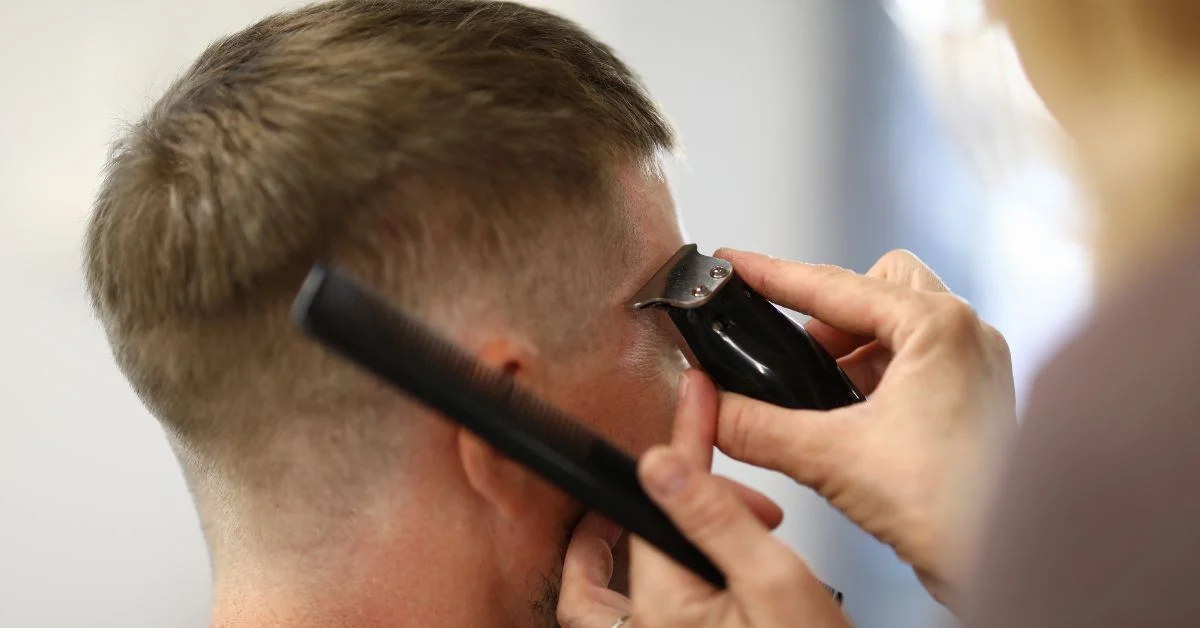
Choosing the wrong haircut is easy when you do not know the types of clipper cuts for men. Several styles may look similar in a photo, but guard length, blending, top shape and fade height can change how a cut suits your face and grows out.
The main types of clipper cuts for men include the buzz cut, induction cut, burr cut, butch cut, crew cut, high and tight, taper, fade, skin fade, flat top, undercut and textured crop. Each style uses clippers differently to create a specific length, shape and level of contrast.
Knowing these differences helps you choose a haircut based on your hair type, routine and preferred maintenance level instead of relying on a guard number alone.
HQ Barbershop offers our professional Clipper Cut service for men who want a personalised result. We consider your face shape, hair texture and daily routine before creating a clean, balanced finish.
In this blog, we’ll compare 12 clipper cuts, explain who they suit and help you choose the right style for your next visit.
What Are the Different Types of Clipper Cuts for Men?
The most common types of clipper cuts for men range from simple one-length cuts to detailed fades and styles that combine clipped sides with a longer top.
A clipper cut does not always mean using one guard over the entire head. Professional barbers often switch between several guards, adjust the clipper lever and use scissors to shape longer areas.
What Is a Clipper Cut?
A clipper cut uses electric clippers to remove and shape hair, usually around the sides, back and neckline. Guards attach to the blade and control how much hair remains.
Lower guard numbers leave shorter hair. Higher guard numbers preserve more length.
Picture a client arriving before an important Monday meeting. He wants clean sides but enough length to style the front. We may use short guards near the neckline, blend upwards and shape the top with scissors.
The tools work together.
Clipper Cut vs Scissor Cut
Clipper cuts usually create shorter, cleaner and more defined finishes. They work well for buzz cuts, fades, tapers, military styles and short back-and-sides haircuts.
Scissors offer more control over longer hair. A barber can preserve movement, remove weight and create texture without reducing every section to a fixed guard length.
Many modern haircuts combine both methods. Clippers create precision around the edges, while scissors shape the top.
Why Men Choose Clipper Haircuts
Men often choose clipper cuts because they offer:
- Simple daily grooming. Short styles usually require less brushing and styling product than medium or long hair.
- A clean outline. Clippers create sharp lines around the neckline, sideburns and temples.
- Plenty of variety. A client can choose a uniform buzz cut, a subtle taper or a high-contrast skin fade.
- Practical styling. Short hair can feel easier to manage during work, exercise and warm weather.
Short does not mean plain. A few millimetres can change the entire haircut.
12 Types of Clipper Cuts for Men
The following types of clipper cuts for men cover classic, military-inspired and modern options. The best choice depends on how much scalp you want to show, how often you visit the barber and whether you want to style the top.
Our professional Clipper Cut allows us to adjust guard lengths, blending and finishing around your own features.
1. Buzz Cut
A buzz cut keeps the hair short and fairly even across the head. Barbers may use one main guard, then make small adjustments near the sides and neckline.
This style suits active lifestyles and men who want little daily styling. You may not need any product.
The trade-off is visible growth. The clean shape starts to soften as the hair lengthens.
2. Induction Cut
The induction cut is one of the shortest standard clipper styles. It comes from military grooming and leaves very little hair across the head.
It suits men who want maximum simplicity and feel comfortable showing their natural hairline and head shape.
Nothing hides. That is the appeal.
3. Burr Cut
A burr cut leaves slightly more length than an induction cut. It still looks short and even, but the extra coverage creates a softer appearance.
This works well for men who like the simplicity of a buzz cut but do not want to go extremely close.
A small amount of matte product can add texture if the hair has enough length.
4. Butch Cut
A butch cut keeps a short, fairly uniform length while leaving more coverage than a burr cut.
Thick or coarse hair can give this style a fuller shape. It works well without product, although light cream or clay can provide extra control.
5. Crew Cut
A crew cut combines short sides with longer hair through the front and top. The length often becomes shorter towards the crown.
This cut suits professional, casual and active settings. It gives you enough hair to brush forward, lift slightly or create a soft side direction.
A client can spend two minutes styling it and leave the house.
6. High and Tight
The high and tight uses very short sides with a narrow section of longer hair on top. The contrast begins high on the head.
It works particularly well for men who want a sharp military-inspired finish or need to remove bulk from thick hair.
Because the sides stay very short, growth becomes visible quickly.
7. Taper Cut
A taper cut gradually shortens the hair around the sideburns and neckline while keeping more length through the upper sides.
The transition looks softer than a full fade. This makes the taper popular with clients who want a professional haircut without exposing too much scalp.
It also tends to grow out neatly.
8. Fade Haircut
A fade haircut blends short hair at the base into longer hair higher on the head.
A low fade begins close to the ears. A mid fade starts around the centre of the sides. A high fade removes more hair near the upper sides and creates stronger contrast.
Fades work with crops, curls, crew cuts and longer styled tops. They need careful blending and regular maintenance.
9. Skin Fade
A skin fade takes the shortest section down to bare or nearly bare skin before blending into longer lengths.
This creates a crisp, high-contrast finish. It looks freshest immediately after the haircut, but the effect begins to soften as the shortest hair grows.
Clients who want that sharp appearance usually book frequent clean-ups.
10. Flat Top
A flat top keeps the hair upright and shapes it into a level or slightly angled surface.
Dense, firm and coarse hair often holds the shape well. The sides normally stay short and clean.
This cut demands accuracy. A few millimetres can affect the balance across the whole top.
11. Undercut
An undercut combines very short sides with a much longer top. Unlike a fade, the transition often stays disconnected rather than gradually blended.
The longer top can be slicked back, side-parted or worn with texture. Daily styling depends on how much length you keep.
12. Textured Crop With Clipped Sides
A textured crop combines a short, layered top with clipped or faded sides. The top often moves forward and may include a short fringe.
It suits straight, wavy, thick and slightly curly hair. A small amount of matte clay can define the texture without making it stiff.
Practical, but not boring.
Clipper Cut Comparison Chart
Comparing the different types of clipper cuts for men in one place can help you narrow down the options before speaking with your barber.
| Style | Hair Length | Maintenance | Best For |
| Buzz cut | Short and even | Low daily care | Active lifestyles and simple routines |
| Induction cut | Extremely short | Very low daily care | Maximum simplicity |
| Burr cut | Short with slight texture | Low | More coverage than an induction cut |
| Butch cut | Short with fuller coverage | Low | Thick hair and practical styling |
| Crew cut | Short sides, longer top | Low to medium | Professional and versatile looks |
| High and tight | Very short sides, short top | Medium | Strong contrast |
| Taper cut | Gradual shortening at edges | Low to medium | Softer professional finishes |
| Fade haircut | Short blend into longer hair | Medium to high | Modern shape and contrast |
| Skin fade | Skin-level base | High | Sharp finishes |
| Flat top | Upright shaped top | Medium to high | Dense, firm hair |
| Undercut | Short sides, long top | Medium | Flexible top styling |
| Textured crop | Short textured top | Medium | Modern, simple styling |
Which Clipper Cut Needs the Least Maintenance?
The induction cut, buzz cut, burr cut and butch cut need the least morning styling.
You can usually wash, dry and leave the hair without product. The induction cut requires almost no shaping, while the butch cut may benefit from a small amount of cream or clay.
But very short hair shows regrowth around the edges quickly. These cuts save daily styling time, yet you may still need regular trims to preserve the shape.
A taper or crew cut takes slightly more effort in the morning but often grows out more softly.
How to Choose the Best Clipper Cut for Your Hair Type
Hair texture changes how every clipper cut looks. The same fade and guard combination can create different results on straight, wavy, curly, thick or fine hair.
A good barber checks hair density, growth direction, curl pattern and how the hair sits when dry.
Straight Hair
Straight hair shows sharp lines and blending clearly. It works well with crew cuts, tapers, skin fades, high and tight cuts and textured crops.
Because the hair lies flat, poor blending may look more obvious. Careful guard changes matter.
Explore more suitable styles in our Men’s Haircuts With Straight Hair guide.
Wavy Hair
Wavy hair suits low fades, mid fades, tapers and textured crops. Natural movement adds shape through the top.
Removing too much length can weaken the wave pattern. Keeping controlled volume on top often produces a stronger result.
Our Men’s Haircut Short Wavy guide includes more ideas for balancing waves with short sides.
Curly Hair
Curly hair often works with taper fades, burst fades, high fades and short crops.
The barber should control bulk around the sides while preserving enough top length for curl definition. Taking the top too short may remove the pattern.
Let the curls breathe.
Thick Hair
Thick hair can hold strong shapes but may feel heavy around the sides and crown.
A mid fade, high fade, crew cut or high and tight can reduce bulk. Barbers may use clipper-over-comb and several guards to avoid leaving dark, heavy patches.
Fine or Thinning Hair
Fine or thinning hair can benefit from shorter cuts that reduce the visual difference between fuller and lighter areas.
A buzz cut, burr cut, soft taper or crew cut may create a more balanced appearance. The choice depends on where the hair looks thinner and how much scalp you want to show.
A haircut can improve visual balance. It cannot treat hair loss.
How to Choose a Clipper Cut for Your Face Shape
Face shape offers guidance, not rigid rules. Hair type, hairline, head shape and personal style still matter.
Oval Face
An oval face works with most clipper styles because the proportions already look balanced.
Buzz cuts, tapers, fades, crew cuts and textured crops can all work. Choose based on maintenance and hair texture.
Round Face
A round face may benefit from cleaner sides and some height on top.
A high fade, mid fade, high and tight or textured crop can create a longer-looking outline. Keeping too much width around the temples may make the face appear broader.
Square Face
A square face already has a strong jawline and defined angles.
Buzz cuts, skin fades, crew cuts, flat tops and high and tight styles can highlight those features. A taper offers a softer option.
Long Face
A long face often needs balance rather than extra height.
Low fades, tapers, butch cuts and short crew cuts can keep the sides controlled without making the face appear longer.
Not every haircut needs a tall top.
Diamond and Heart-Shaped Faces
Diamond and heart-shaped faces may have wider cheekbones or foreheads with narrower jawlines.
Low tapers, crew cuts, textured crops and softer fades can balance those proportions. Keeping some fullness around the sides may work better than taking the fade extremely high.
Why Choose HQ Barbershop for a Professional Clipper Cut?
Choosing among the types of clipper cuts for men becomes easier when an experienced barber considers your own hair instead of copying a photograph exactly.
Our Clipper Cut service focuses on personal recommendations, accurate blending and clean finishing.
Personalised Recommendations
Before cutting, we consider your:
- Hair type and density
- Natural growth pattern
- Face and head shape
- Preferred maintenance level
- Daily styling routine
- Workplace and personal style
A client who spends two minutes styling his hair needs a different solution from someone who enjoys working with a longer top every morning.
Precision Clipper Techniques
Professional clipper work involves more than choosing one guard.
We combine multiple guard lengths, adjust the clipper lever, refine the neckline and check symmetry from every angle. Those small adjustments create smoother fades and cleaner outlines.
Professional Tools and Experience
Sharp, well-maintained clippers help us work accurately. Experience tells us how to use them on different textures.
We also account for cowlicks, natural partings, uneven growth and head shape. Working with those features helps the haircut maintain better balance as it grows.
A good clipper makes a clean line. A skilled barber decides where that line should sit.
Frequently Asked Questions About Types of Clipper Cuts for Men
What are the most popular types of clipper cuts for men?
Popular options include the buzz cut, crew cut, taper, fade, skin fade, high and tight, undercut, flat top, burr cut, butch cut and textured crop. Each offers a different balance of length, contrast and maintenance.
Which clipper cut is easiest to maintain?
The induction cut, buzz cut, burr cut and butch cut require the least daily styling. They still need trims to maintain a clean outline, but they rarely require much product.
Can every men’s haircut use only clippers?
No. Clippers work best for short sections, blending and precise edges. Many haircuts also require scissors to shape longer hair, remove weight and add texture.
How often should men get a clipper cut?
Many men refresh clipper cuts every two to four weeks. Skin fades and high fades often need earlier clean-ups, while tapers and longer crew cuts can grow out more softly.
For more care advice, read How to Maintain a Clipper Cut.
Which clipper cut works best for thick hair?
Thick hair often suits mid fades, high fades, crew cuts, high and tight styles and textured crops. These cuts reduce bulk while preserving enough top length for shape.
Find the Clipper Cut That Fits You
There are many types of clipper cuts for men, from simple buzz cuts to detailed skin fades and textured crops. The best choice depends on your hair type, face shape, lifestyle and preferred maintenance level.
Understanding how each cut looks and grows out makes the decision easier. A haircut should still work on an ordinary Monday morning, not just when you leave the barber’s chair.
HQ Barbershop at Dallas helps us turn those choices into a personalised result. We assess your hair, explain the suitable options and use careful guard work, blending and finishing to create a cut that fits your appearance and routine. Also visit us through our Google Business Profile and let us create a style that suits you from every angle.
Book our professional Clipper Cut and let us help you choose a style that feels right from every angle.