September 25, 2026
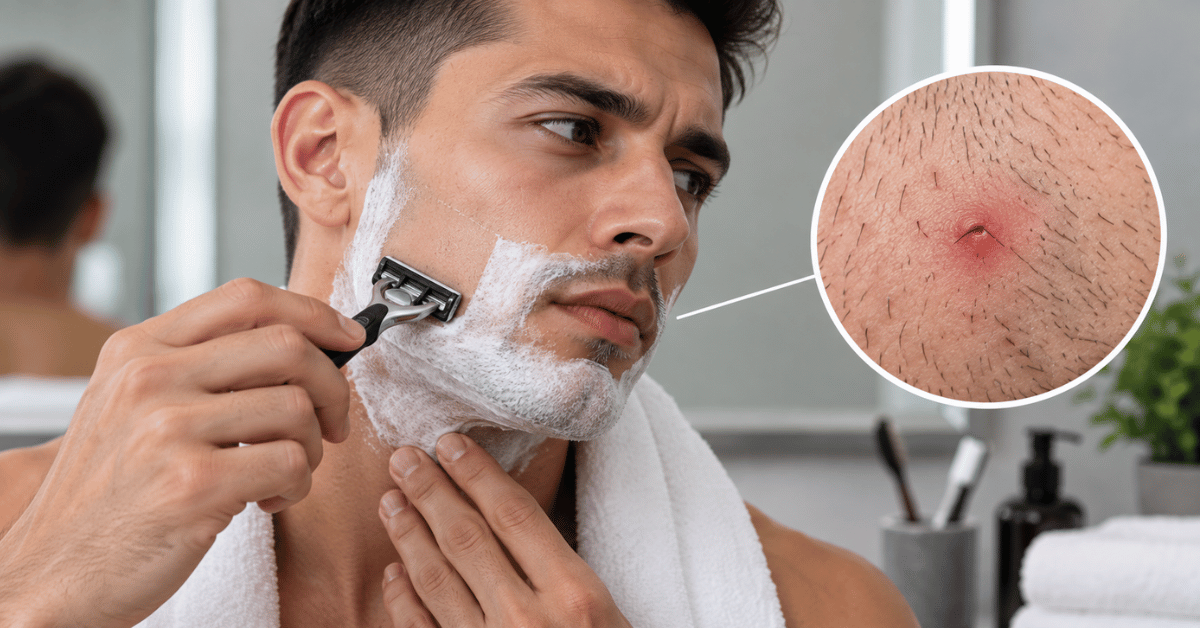
To prevent ingrown hair after shaving, avoid shaving too closely, soften your beard first, shave in the direction of hair growth, and use light pressure. A sharp, clean razor and proper lubrication can also reduce irritation and help cut hairs without forcing them back into the skin.
Ingrown hairs happen when a shaved hair grows back and curves into the skin. They can cause small raised bumps, itching, burning, tenderness, or darker marks. Men with tightly curled facial hair can be more prone to them because the hair is more likely to curve back toward the skin.
At HQ Barbershop in Oak Lawn, Dallas, we know that beard direction, shaving technique, and how closely you remove the hair can all affect your skin. This guide explains how to prevent ingrown hair after shaving, what to change before and during a shave, and what to do if ingrown hairs keep returning.
Key Takeaways
- Avoid shaving closer than your skin needs.
- Soften your beard before using a razor.
- Learn the direction your facial hair grows.
- Shave with the grain.
- Use moisturizing shaving cream or gel.
- Keep your pressure light.
- Avoid stretching your skin.
- Rinse the blade after each stroke.
- Replace disposable blades after about 5–7 shaves.
- Do not pick, squeeze, or pluck ingrown hairs.
What Causes Ingrown Hair After Shaving?
An ingrown hair develops when a shaved hair grows back and curves into the skin instead of growing outward. Shaving can create a sharp hair tip, which may make it easier for the hair to penetrate the surrounding skin.
The risk can increase when you:
- Shave extremely close
- Shave against the grain
- Stretch your skin while shaving
- Use too much pressure
- Use a dull blade
- Make repeated passes
- Have tightly curled facial hair
Mayo Clinic identifies tightly curled hair as a major risk factor for ingrown hairs. It also explains that shaving can create a sharp hair edge that makes it easier for the hair to re-enter the skin.
That is why getting the closest possible shave is not always the best approach for men who regularly develop bumps.
What Does an Ingrown Hair Look Like?
An ingrown hair often looks like a small, swollen bump around a shaved area, sometimes with a visible hair trapped beneath the skin. The bump may itch, sting, hurt, or contain pus if inflammation develops.
Common signs include:
- Small raised bumps
- Itching
- Burning or stinging
- Tenderness
- A visible looped hair
- Dark marks around previous bumps
- Pus-filled bumps in some cases
Ingrown hairs are commonly confused with razor burn. The difference is useful.
Razor burn is mainly surface irritation, while an ingrown hair involves a hair growing back into the skin.
If your main problem is redness and burning immediately after shaving, our guide on how to prevent razor burn after shaving your face covers the shaving habits that can reduce irritation.
How to Prevent Ingrown Hair After Shaving
The most effective prevention strategy is to avoid an unnecessarily close shave while improving beard preparation and shaving technique. The goal is to remove enough hair for your preferred appearance without repeatedly irritating the skin.
1. Soften Your Beard First
Softening facial hair before shaving makes it easier to cut and can reduce the need for pressure. Wet your beard with warm water before applying shaving cream or gel.
A practical time to shave is near the end of a shower. You can also use a warm, damp washcloth on the beard area.
Mayo Clinic recommends washing the skin with warm water and a mild facial cleanser before shaving. It also recommends using shaving cream or gel to lubricate and soften the hair.
Do not rush this step. If the beard feels stiff and dry, give the water and shaving product more time to work.
2. Understand Your Beard Growth Direction
Knowing which direction your facial hair grows is essential when trying to prevent ingrown hairs. Facial hair does not necessarily grow downward across the entire face.
Your cheek may grow downward. Your neck may grow sideways.
Another section may grow diagonally.
Before shaving, look closely at your beard and identify the direction in each area.
The American Academy of Dermatology recommends determining the direction of facial-hair growth because shaving against the grain can increase irritation and razor bumps.
3. Shave With the Grain
Shaving with the grain reduces how aggressively the blade cuts the hair and can lower the risk of hairs curling back into the skin. This is especially important if you already develop recurring bumps.
Use short, controlled strokes. Do not force the razor against your skin. If you need another pass, reapply shaving cream first.
You may not get the absolute closest possible shave. For men prone to ingrown hairs, however, slightly less closeness may be a worthwhile trade-off.
4. Use a Moisturizing Shaving Cream or Gel
A moisturizing shaving cream or gel provides lubrication between the razor and your skin. This helps the blade move across the surface with less friction.
Apply a sufficient layer before shaving. Do not allow it to dry completely. If your skin is dry or sensitive, choose a formula made for sensitive skin.
For a deeper comparison of these two options, see our guide to Shaving Cream vs Shaving Gel.
5. Avoid Stretching Your Skin
Pulling your skin tight can make the shave closer, but it may also increase the chance that a shortened hair curves back into the skin. If you are prone to ingrown hairs, let your skin remain relaxed while shaving.
Use your free hand only when needed. Do not deliberately stretch the skin to make it completely flat.
Both the AAD and Mayo Clinic recommend avoiding skin stretching during shaving for men who experience razor bumps or ingrown hairs.
6. Use a Sharp, Clean Razor
A sharp blade can cut facial hair efficiently without requiring excessive pressure. A dull blade can drag across the skin and encourage repeated passes.
The AAD recommends replacing disposable blades after approximately five to seven shaves. It also recommends storing razors in a dry area between uses.
During your shave:
- Rinse the blade after each stroke.
- Do not scrape hair from the blade with your fingers.
- Keep the razor clean.
- Replace it when it becomes dull.
- Store it somewhere dry.
If your razor starts pulling instead of gliding, replace it.
7. Do Not Chase the Closest Shave
If you regularly develop ingrown hairs, leaving slightly more stubble may be better than repeatedly shaving the same area closer. Every additional pass creates another opportunity for friction and irritation.
Instead of trying to make every section completely smooth:
- Shave with the grain.
- Use fewer passes.
- Keep pressure light.
- Stop when you reach the desired finish.
- Consider an electric trimmer if close shaving repeatedly causes problems.
The AAD notes that electric razors or clippers can be an alternative, particularly when they are used without setting them for the closest possible shave.
What Should You Do After Shaving?
After shaving, rinse away the shaving product, pat your face dry, and use a soothing moisturizer or suitable aftershave. Avoid immediately scrubbing or picking at the skin.
A simple post-shave routine is:
- Rinse your face gently.
- Use cool or lukewarm water.
- Pat the skin dry.
- Apply a soothing moisturizer.
- Avoid touching freshly shaved areas.
Keep your routine simple if your skin is sensitive. You do not need to apply several new products immediately after a shave.
How Do You Treat an Ingrown Hair?
If an ingrown hair has already appeared, stop shaving the affected area and avoid picking, squeezing, or plucking the hair. Giving the skin time to settle can prevent additional irritation.
If possible:
- Pause close shaving.
- Avoid squeezing the bump.
- Do not dig into the skin.
- Keep the area clean.
- Use gentle skincare.
- Consider trimming instead of shaving closely.
Do not turn one ingrown hair into a larger skin injury by trying to dig it out.
Can Exfoliation Prevent Ingrown Hairs?
Gentle exfoliation can help remove dead skin cells, but aggressive scrubbing can irritate skin and make shaving problems worse. The right approach depends on your skin and how frequently you develop ingrown hairs.
Mayo Clinic includes a glycolic acid lotion among options that may help remove dead skin cells after shaving. However, irritation can occur with active skincare products, so they should be used appropriately.
If your skin is already irritated:
- Avoid aggressive scrubs.
- Do not use multiple exfoliating products together.
- Stop if a product burns or causes significant irritation.
- Consider professional medical advice for recurring problems.
More exfoliation is not automatically better.
How Often Should You Shave?
There is no universal shaving schedule for preventing ingrown hairs. Some men benefit from avoiding close shaving, while the shaving daily or every two to three days can reduce the time hairs have to grow and curve in certain men with razor bumps.
Your ideal schedule depends on:
- Hair-growth speed
- Hair texture
- Skin sensitivity
- Shaving method
- Desired level of smoothness
If shaving every day causes irritation, experiment with a different technique or less-close finish.
If your problem is specifically recurring razor bumps, shaving frequency may need a more individualized approach.
Ingrown Hairs on the Neck
Ingrown hairs on the neck are common because neck hair often grows in several directions. Shaving the entire neck upward or downward without checking the growth pattern can increase the chance of cutting hairs too closely.
Before shaving your neckline:
- Check the direction of growth.
- Apply warm water.
- Use shaving cream.
- Shave with the grain.
- Use light pressure.
- Avoid repeated passes.
A defined neckline does not require scraping the skin completely clean. If you want professional help maintaining the neckline and beard shape, HQ Barbershop offers a Beard Trim service in Oak Lawn, Dallas.
Ingrown Hairs and Curly Facial Hair
Men with tightly curled facial hair can have a higher risk of ingrown hairs because curved hairs can bend back toward the skin after shaving. This does not mean you cannot maintain a clean beard or shave.
Instead, focus on reducing unnecessary closeness.
For curly facial hair:
- Avoid skin stretching.
- Soften the hair first.
- Shave with the growth direction.
- Avoid excessive pressure.
- Consider an electric trimmer.
- Keep the blade sharp.
The right approach may be a neatly trimmed beard rather than a completely skin-smooth shave.
When Should You See a Dermatologist?
See a dermatologist if ingrown hairs keep returning, do not clear, become painful, or cause significant skin changes. Persistent bumps can sometimes lead to infection, dark marks, or scarring.
Seek medical advice if you notice:
- Increasing pain
- Significant swelling
- Pus or drainage
- Spreading redness
- Persistent bumps
- Darkening or scarring
- Recurring outbreaks
A dermatologist can determine whether you are dealing with ingrown hairs or another skin condition.
Frequently Asked Questions
How do I prevent ingrown hair after shaving?
Prevent ingrown hair after shaving by softening your beard, using shaving cream or gel, shaving with the grain, avoiding skin stretching, and using light pressure. Keep your blade sharp and avoid repeated passes or extremely close shaving.
Why do I get ingrown hairs every time I shave?
Recurring ingrown hairs can be linked to tightly curled facial hair, close shaving, shaving against the grain, skin stretching, or repeated razor passes. Changing your shaving technique and avoiding extremely close cuts can reduce the risk.
Should I shave against the grain to prevent ingrown hairs?
No. Shaving against the grain can increase the risk of irritation and ingrown hairs. If you regularly develop bumps, shave in the direction your facial hair grows and avoid trying to achieve the closest possible shave.
Is shaving cream good for preventing ingrown hairs?
Yes. Shaving cream can help by lubricating the skin and softening facial hair before the razor passes over it. Choose a moisturizing product that suits your skin and keep it from drying while you shave.
Should I stop shaving if I have ingrown hairs?
If you have recurring or active ingrown hairs, temporarily stopping close shaving can help the skin recover. Mayo Clinic recommends stopping shaving, tweezing, or waxing until the condition improves. Trimming with scissors or electric clippers can be an alternative.
Professional Face Shaving in Dallas
Preventing ingrown hair after shaving starts with changing how closely and how aggressively you shave. Soften the beard, understand your growth pattern, use proper lubrication, shave with the grain, and avoid stretching your skin.
You do not need to sacrifice a clean appearance. For many men, the better solution is simply a controlled shave or trim that leaves slightly more hair instead of repeatedly cutting directly against the skin.
At HQ Barbershop in Oak Lawn, Dallas, professional face shaving combines beard preparation, controlled razor work, and attention to your natural hair-growth pattern. If you prefer a professional shave, explore our Face Shave service.
For men who prefer maintaining facial hair rather than shaving completely, our Beard Trim service provides another practical option.
The goal is not the closest shave possible. It is a clean shave that your skin can tolerate comfortably.