August 26, 2026
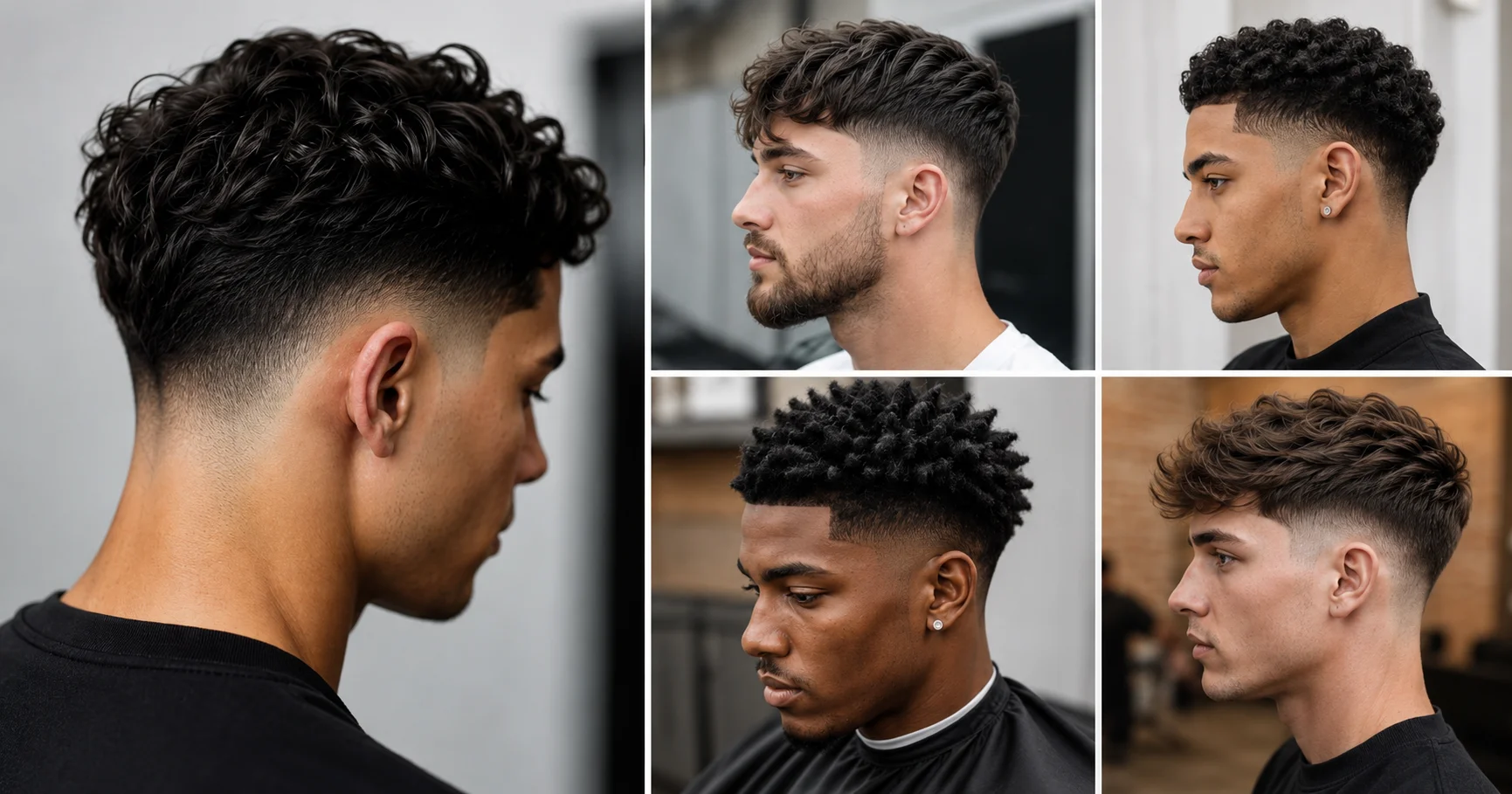
A low taper fade is a men’s haircut that shortens the temples, sideburns, and neckline while preserving overall side fullness. It keeps the blend low, so straight, wavy, curly, and coily hair can keep more natural shape through the sides.
This guide is for men comparing low taper fade haircut ideas before a barber visit. At HQ Barbershop in Oak Lawn, Dallas, we tailor clipper cuts to hair type, face shape, and desired finish. Our 2026 team page lists owner and master barber Jordan Kiswani with 26+ years of experience. Our current Clipper Cut service recommends roughly 3–4 weeks between clipper cuts for routine maintenance.
Below, you will get 25 distinct styles, a quick fit guide, barber-request tips, and answers to common low taper questions.
Key Takeaways
- A low taper keeps the shortest blend near the temples and neckline.
- Straight, wavy, curly, and coily hair can all work with this cut.
- The top hairstyle changes the overall look more than the taper.
- A reference photo helps your barber match height, contrast, and top length.
What Is a Low Taper Fade?
A low taper fade keeps the shortest transition low around the temples, sideburns, and neckline rather than removing a large amount of hair from the sides.
That makes it softer than many full fades. We can preserve weight and natural texture through the sides while still giving the haircut a clean perimeter.
A low taper works with straight, wavy, curly, and coily hair, which is one reason it adapts so well to different men’s hairstyles.
Low Taper Fade vs Low Fade: What’s the Difference?
A low taper and a low fade are closely related, but they are not always the same haircut.
With a low taper, we usually concentrate the shortest blending around the temples and neckline while keeping more fullness through the sides. A low fade typically blends a broader section of the lower sides into progressively longer hair.
If you want to compare low, mid, high, skin, and other fade families, see our guide to types of fade haircuts.
25 Best Low Taper Fade Haircuts for Men
1. Classic Low Taper Fade

The classic low taper keeps the haircut simple: clean temples, a tapered neckline, and plenty of natural fullness through the sides.
We recommend it when you want something polished enough for work but relaxed enough for everyday wear. It also grows out more softly than a high skin fade.
2. Low Taper Fade With Textured Top

A textured top adds separation and movement while the low taper keeps the lower edges controlled.
This combination works especially well with medium to thick hair because there is enough density on top to create visible texture without making the sides feel bulky.
3. Low Taper Fade Textured Fringe

A low taper fade textured fringe keeps the temples neat while letting the front fall forward with visible texture.
We like this pairing for straight, wavy, or thick hair. The fringe gives the haircut character while the low taper prevents the sides from competing with the top.
4. Low Taper Fade With French Crop
A French crop keeps the top short and textured with a controlled fringe at the front.
Adding a low taper creates cleaner edges without turning the haircut into a dramatic fade. It is a practical choice if you want a short style that does not require much morning work.
5. Low Taper Fade With Messy Fringe
The messy fringe keeps the front loose and casual instead of sharply structured.
We usually leave enough top length for movement, then taper the temples and neckline to stop the haircut from looking overgrown. It works especially well with naturally wavy or thick hair.
6. Low Taper Fade Straight Hair

A low taper fade straight hair combination creates shape without stripping too much weight from the sides.
Straight hair can be brushed forward, parted, textured, or left longer on top depending on density. For more options, see our guide to men’s haircuts with straight hair.
7. Low Taper Fade With Side Part
A side part gives the low taper a more classic finish.
Because we keep more fullness through the sides, the transition into the part looks natural instead of disconnected. This is a strong option for professional styles and straight or slightly wavy hair.
8. Low Taper Fade With Comb Over
The comb over keeps length through the top and sweeps it across while the taper cleans the sideburns and neckline.
We recommend this version when you want a controlled, traditional shape without taking the sides extremely short.
9. Low Taper Fade With Quiff
A quiff adds height through the front while the low taper keeps the haircut tidy around the edges.
Medium to thick hair usually holds this shape best. The result gives you visible volume without the strong side contrast of a high fade.
10. Low Taper Fade With Slick Back
Longer straight or wavy hair can be slicked back while the low taper removes bulk only where it is needed.
This works well if you want a cleaner side profile but still want the top and sides to flow together naturally.
11. Low Taper Fade With Pompadour
The pompadour keeps height and volume through the front and top.
A low taper supports that shape without creating an aggressive disconnect. This version needs more styling than a crop or buzz cut, so expect to use a blow-dryer and suitable styling product.
12. Low Taper Fade With Wavy Hair
Wavy hair already provides natural movement, so we usually avoid removing too much fullness.
A low taper tightens the temples and neckline while leaving the waves visible through the top and upper sides. It is clean without looking overly controlled.
13. Low Taper Fade Curly Hair
A low taper fade curly hair style keeps the natural curl pattern as the main feature.
We taper around the temples and neckline to control bulk while preserving volume above. This works particularly well with short-to-medium curls that need shape rather than heavy removal.
14. Low Taper Fade With Curly Fringe
Here, the curls fall forward toward the forehead instead of sitting entirely on top.
The low taper keeps the lower sides neat and gives the curly fringe a stronger outline. It is a good choice if you want texture visible from the front.
15. Low Taper Fade With Coils
Tightly coiled hair can keep its natural fullness while the taper sharpens the perimeter.
We focus the shortest work around the temple and neckline so the coils retain their shape. This gives the haircut definition without flattening the texture.
16. Low Taper Fade for Black Men With Waves
A low taper fade for Black men works especially well with waves because we can clean the temples and neckline while leaving the wave pattern intact across the top.
The key is keeping the taper low enough that it supports rather than interrupts the pattern. See more men’s haircuts for Afro-textured hair.
17. Low Taper Fade With Afro
An Afro does not need a full fade to look sharp.
We can preserve the natural size and shape through the top and sides while tapering only the perimeter. The result keeps the Afro full but gives the hairline and neckline a cleaner structure.
18. Low Taper Fade With Twists
Twists stay visually dominant while the low taper cleans the edges underneath.
This pairing works well when you want to preserve length and texture on top without letting the temples or neckline look heavy between appointments.
19. Low Taper Fade With Braids
A low taper can create a clean frame around braids while preserving enough hair for the braided pattern.
Before cutting, we check where the braids begin and how much hair needs to remain around the hairline so the taper supports the finished style.
20. Low Taper Fade With Locs
Locs can stay full through the top while the temples and neckline are tapered for a sharper outline.
This is useful if you want cleaner edges without fading a large section of the sides or changing the overall weight of the locs.
21. Low Taper Fade Buzz Cut
A buzz cut with a low taper looks more finished than one uniform guard all over.
We keep the top short, then gradually tighten the temples and neckline. It is one of the lowest-maintenance options on this list and needs almost no daily styling.
22. Low Taper Fade Crew Cut
The crew cut keeps a little more length toward the front than a buzz cut.
Adding a low taper gives the edges more definition while preserving the classic shape. It works well for men who want something short, practical, and easy to maintain.
23. Low Taper Fade Edgar Cut
An Edgar-inspired cut uses a blunt or textured fringe with a strong front shape.
Pairing it with a low taper keeps the sides softer than a high fade would. That lets the fringe remain the main visual feature of the haircut.
24. Low Taper Fade Mullet
A low taper mullet keeps length through the back while cleaning the areas around the ears and temples.
Unlike a burst-fade mullet, the taper stays more restrained. If you are considering the shape, our mullet haircut guide explains how the sections work together.
25. Low Skin Taper Fade
The low skin taper is the sharpest version in this list.
We take the shortest areas around the temples and neckline down to skin while keeping the taper low. Because the contrast is stronger, regrowth becomes visible sooner. Our Clipper Cut service in Dallas covers precise taper and fade work like this.
Which Low Taper Fits You?
The best low taper depends on hair texture, top length, and styling effort. Use this table as a starting point rather than a fixed rule.
| Hair or Goal | Strong Options |
| Straight hair | Textured fringe, side part, quiff |
| Wavy hair | Textured top, messy fringe |
| Curly hair | Natural curls, curly fringe |
| Coily/Afro-textured hair | Waves, Afro, twists |
| Low styling effort | Buzz cut, crew cut, classic taper |
| More volume | Quiff, pompadour, slick back |
Face shape matters because the top hairstyle changes visible width and height. The taper itself mainly controls the lower perimeter. Our guide to haircuts for different face shapes can help you narrow the top shape.
What Clipper Guards Are Used for a Low Taper Fade?
There is no single guard for a low taper.
We normally blend several lengths and use the clipper lever to create small transitions between them. The exact sequence changes with your hair density, how much scalp you want showing, and whether you prefer a shadow or skin finish.
Our guide to the best clipper guard length for a fade explains the guard numbers in more detail.
How to Ask Your Barber for a Low Taper Fade
Tell your barber you want the taper kept low around the temples and neckline, then explain how short you want the bottom.
Also mention:
- Whether you want skin showing or a darker shadow
- How much length to keep on top
- Whether you want texture, curls, waves, or a fringe
- How you normally style your hair
A reference photo is usually even better. It shows us the exact taper height, top length, and finish you have in mind. Our guide on how to ask your barber for a haircut covers the consultation in more detail.
Frequently Asked Questions
What is a low taper fade haircut?
A low taper fade haircut gradually shortens the hair around the temples, sideburns, and neckline while preserving more length through the sides and top. It gives you a clean edge without the stronger contrast of a mid or high fade.
What is the difference between a low taper and a low fade?
A low taper usually focuses the shortest blending around the temples and neckline. A low fade generally removes and blends more hair across the lower sides. Both sit low, but the taper usually preserves more fullness.
Does a low taper fade work with curly hair?
Yes. A low taper fade works particularly well with curly hair because we can clean up bulk around the edges while leaving the curls full on top. Curly fringes and natural curl tops are two strong options.
Does a low taper fade look good with straight hair?
Yes. Straight hair works well with a low taper because the top can be textured, parted, brushed forward, slicked back, or styled into a quiff while the taper keeps the edges clean.
How long does a low taper fade last?
Most low tapers start losing their sharpest outline as the hair grows over the next few weeks. Many men maintain short cuts around every two to four weeks, depending on growth rate and how fresh they want the edges. See our guide on how often men should get a haircut for more detail.
Get a Low Taper Fade at HQ Barbershop in Dallas
A low taper works by keeping the blend low while matching the top hairstyle to your texture, face shape, and routine. It can pair with straight hair, curls, waves, textured fringe, Afros, short cuts, and longer styles.
HQ Barbershop is located at 3527 Oak Lawn Avenue, Dallas, TX 75219. The shop offers men’s haircuts, skin fades, and clipper services from its Oak Lawn location.
Bring a reference photo or describe the finish you want. Our barbers can then adjust the taper height, length, and contrast to your hair.
Book your Men’s Haircut Service at HQ Barbershop in Dallas and let our team build the low taper around your style.