August 15, 2026
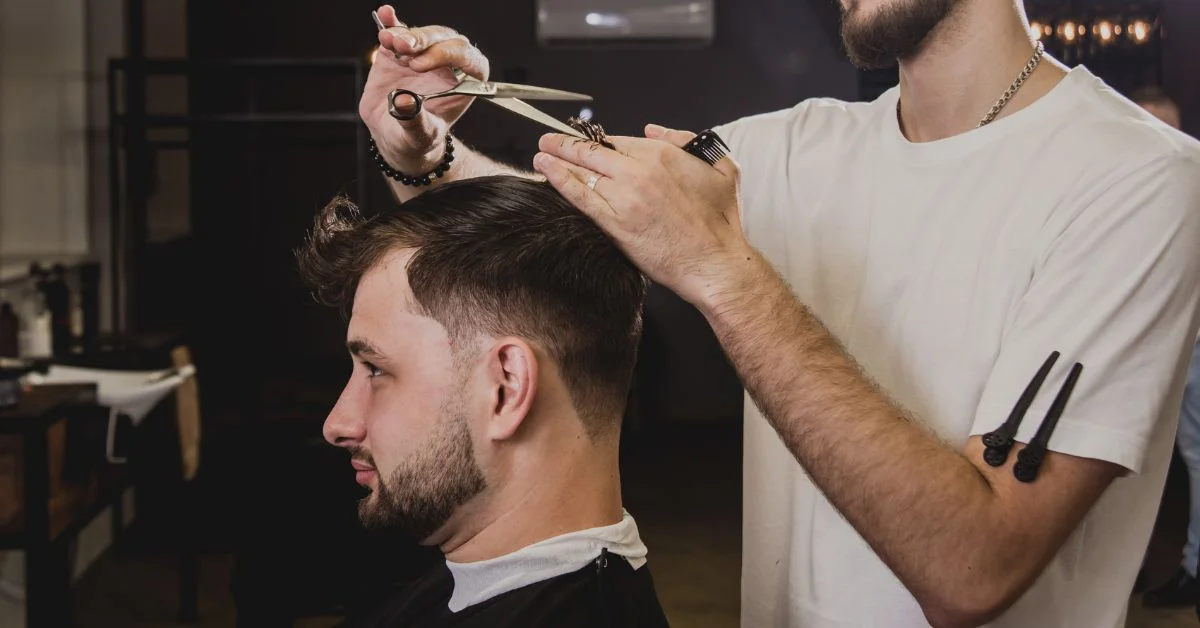
A mullet can go wrong fast if you cut too much from the back or lose the contrast that defines the style. If you want to know how to do a mullet haircut, the key is controlling the top, sides and back as separate areas before connecting them into one balanced shape.
To do a mullet haircut, section the hair into the top, sides and back, preserve more length at the back, shorten or taper the sides, shape the top and connect the crown without removing the contrast that gives the mullet its identity. The exact approach changes with hair type, starting length and the mullet style you want.
HQ Barbershop helps us match length, texture and finish to each client through our Men’s Haircut service in Dallas. HQ currently offers personalised cuts, fades, short styles and modern looks based on face shape and personal style.
In this blog, we’ll explain how to cut a mullet step by step, section the hair correctly, shape each area, choose the right variation and avoid the mistakes that can ruin the final silhouette.
What Is a Mullet Haircut?
A mullet haircut keeps more visible length at the back while the top and sides stay shorter or more controlled. Modern mullets can use texture, layers, tapers or fades, but the defining idea remains the contrast between the front and sides and the longer back.
That contrast does not need to look extreme.
A classic mullet can use clearly shortened sides and a noticeably extended back. A modern version may keep more texture through the top, soften the crown transition and use a taper or fade around the temples.
What Makes a Haircut a Mullet?
The back needs to remain visually longer than the surrounding sections.
If you blend every area until the top, sides and back carry nearly the same proportion, the haircut can lose the shape that makes it recognisable as a mullet.
The back is not an afterthought. It is the anchor of the haircut.
Classic Mullet vs Modern Mullet
A classic mullet usually creates stronger separation between the short front and longer back.
Modern mullets give us more freedom. The sides can remain scissor-cut, taper around the ears or fade much shorter. The top can stay textured, and the back can range from modest extra length to a stronger statement.
For more inspiration from the era that made the style famous, explore our Best 80s Haircuts for Men guide.
The mullet also sits within a wider mix of trendy and vintage hairstyles for men, where older shapes return with updated texture, fades and styling.
How to Do a Mullet Haircut in 10 Steps
The safest way to understand how to do a mullet haircut is to work in a fixed order. Set the style and sections first, then cut the sides and top while protecting the back length.
Mullet Haircut Process at a Glance
- Choose the mullet style. Decide whether you want a classic, textured, tapered or faded finish.
- Check the existing length. Make sure enough hair remains at the back to create visible contrast.
- Prepare and comb the hair. Follow the natural growth direction before sectioning.
- Separate the top, sides and back. Keep the back protected while shortening other areas.
- Establish the side length. Choose scissors, a taper or a fade.
- Shape the top. Control length, fringe and texture.
- Preserve and shape the back. Remove only the weight that affects the desired silhouette.
- Connect the crown. Blend unwanted weight without eliminating the mullet contrast.
- Refine the fringe, sideburns and neckline. Finish the visible details.
- Dry and cross-check the haircut. Inspect the shape from the front, sides and back.
What Tools Do You Need to Cut a Mullet?
The exact tools depend on the mullet style. A softer scissor-cut mullet needs different work from a faded version.
Haircutting Scissors
Scissors control the longer sections through the top, crown and back. They also allow us to create layers while preserving more length than a close clipper setting would.
Clippers and Guards
Clippers suit mullets with short sides, tapers or fades. Different guard lengths give more control over the transition rather than forcing the entire side into one short setting.
HQ Barbershop Clipper Cut service specifically covers close clipper work, fades and customised short styles.
Comb and Sectioning Clips
A comb helps organise growth direction and control each section while cutting. Clips keep the back or top safely separated while another area gets shortened.
Spray Bottle and Mirrors
A spray bottle can make longer sections easier to control while cutting.
For home cutting, multiple mirrors matter because the defining section of the haircut sits where you cannot naturally see it.
That is the awkward part. Literally.
How to Section Hair for a Mullet
Good sectioning prevents one of the most common mullet problems, accidentally removing length from the wrong area.
Separate the Top & the Sides
Create a clear section running from the front towards the crown. This controls the fringe, top length and much of the upper silhouette.
Keep the left and right sides independent from the back. That allows the sides to receive a scissor finish, taper or fade without sacrificing the length behind them.
Protect the Back Length
Clip the back away before using clippers around the sides. Once the defining back length disappears, no amount of blending can bring it back during the same haircut.
Identify the Crown and Transition Area
Treat the crown as a bridge between shorter and longer sections. Do not automatically cut it to the same length as the top.
The natural growth pattern here can also change how the transition looks once the hair dries.
How to Cut the Sides of a Mullet
The sides determine whether the mullet feels soft, traditional, sharp or heavily contrasted.
Scissor-Cut Mullet Sides
Scissor-cut sides keep more weight and movement.
They work well for shaggy or softer mullets where the longer back provides most of the contrast.
Tapered Mullet
A taper gradually reduces length around the sideburns and perimeter while preserving more hair through the upper sides.
This creates a cleaner edge without making the side treatment dominate the haircut.
Fade Mullet
A fade removes more length and increases contrast.
The top and back still need enough weight to prevent the haircut from looking like a fade with an accidental long section behind it.
Burst Fade Mullet
A burst fade follows a curved transition around the ear and leaves more length behind that area.
It can create a strong modern silhouette when the crown and back remain properly connected.
For mullets that rely heavily on faded or tapered sides, our Clipper Cut service is the relevant supporting option. HQ currently tailors its clipper work around face shape, hair type and personal style.
How to Cut the Top and Fringe of a Mullet
The top needs to support the rest of the haircut rather than looking like a completely different style placed in front of the back.
Decide the Top Length
Ask how much contrast the client wants. Keeping more length creates room for movement and texture. Cutting the top shorter makes the difference between front and back more obvious.
Create Texture Without Removing Too Much Hair
Texture can help the top sit naturally and reduce unwanted weight. But more texturising is not automatically better.
Fine hair can lose useful density quickly, while thick hair may benefit from more selective weight removal.
Choose the Fringe
The fringe can stay short, textured or longer. Its length affects the haircut from the front, which matters because the back alone should not have to communicate the entire style.
Control the Crown
The crown connects the top with the longer section behind it. Cut it too short and the back may appear disconnected. Leave too much uncontrolled weight and a heavy shelf can develop.
The goal is controlled connection with intentional contrast.
How to Cut and Shape the Back of a Mullet
The back gives the haircut its identity.
How Long Should the Back of a Mullet Be?
There is no universal measurement.
The correct length depends on the existing hair and how subtle or dramatic the client wants the style to look. A modern mullet can use relatively modest extra length. A stronger traditional version can extend much further.
Preserve Length Before Removing Weight
Decide the finished silhouette before trimming.
If the back already lacks enough length, preserving it may matter more than perfecting the finished outline immediately.
Layering the Back
Layers can create movement and reduce bulk. Use them selectively.
Too much layering can thin the ends and weaken the back shape, especially on finer hair.
Shape the Perimeter
Inspect the back directly rather than judging it only from the sides. The bottom can remain softer, slightly rounded or more clearly shaped depending on the style.
A crooked back line is hard to hide when it is the longest part of the haircut.
Classic Mullet vs Modern Mullet Haircut
Both versions keep greater length at the back, but the surrounding shape can differ.
| Feature | Classic Mullet | Modern Mullet |
| Sides | Short with stronger contrast | Can be tapered, faded or textured |
| Top | Usually clearly shorter | More variation and movement |
| Back | Longer and obvious | Can be subtle or extended |
| Transition | Strong contrast | Often more controlled |
| Texture | Depends on the variation | Often used to shape movement |
| Overall feel | More traditional | More adaptable |
Which Mullet Should You Choose?
Choose a classic version when you want the short-front, long-back contrast to remain obvious.
Or choose a modern mullet when you want more flexibility through the sides, top and texture.
Neither version needs to follow one fixed template. For additional context on how the style has evolved, our Best 80s Haircuts for Men guide explores the classic mullet and other retro styles.
If you like mixing older silhouettes with newer styling, our guide to trendy and vintage hairstyles for men is another useful comparison.
For additional context on how the style has evolved, HQ’s Best 80s Haircuts for Men includes both the classic mullet and its modern revival.
How to Cut a Mullet for Different Hair Types
Hair type changes how much weight, layering and length the haircut needs.
Mullet for Straight Hair
Straight hair exposes cutting lines clearly.
That makes controlled blending and back symmetry especially noticeable. If your hair is straight and you want to compare the mullet with other options, our Men’s Haircuts With Straight Hair guide covers other styles that work with this texture.
Mullet for Wavy Hair
Wavy hair can create natural movement through the top and back.
Keep enough length for the wave pattern to show before removing unnecessary weight. For more texture-specific ideas, see our Men’s Haircut Short Wavy guide.
Curly Mullet
Curly hair can create strong natural texture through a mullet.
Judge the finished length carefully because curls can sit shorter once dry.
Mullet for Thick Hair
Thick hair may need controlled bulk removal around the sides, crown and back.
Do not remove so much weight that the ends lose their structure.
Mullet for Fine Hair
Preserve useful density. Heavy thinning can weaken the silhouette and make the longer back look sparse.
Mullet for Coarse Hair
Coarse hair can hold strong shapes and visible texture.
Work with that texture rather than forcing every section to lie flat.
How to Choose a Mullet for Your Face Shape
Face shape can guide the proportions, but it should not decide whether someone is allowed to wear a mullet.
Oval Face
Oval faces offer flexibility with fringe, side treatment and back length. The desired style and hair texture often become more useful deciding factors.
Round Face
Controlling excessive side volume can change perceived width. Texture or controlled height through the top can also alter the silhouette.
Square Face
A defined jaw can work with both clean faded mullets and softer scissor-cut versions. The side treatment changes how sharp the finished haircut feels.
Long or Oblong Face
Avoid unnecessary height through the top if you do not want to add more vertical emphasis. Keeping some side weight may create a more balanced shape.
Heart and Diamond Faces
Consider how the fringe, temples and side length interact with the forehead, cheekbones and lower face. No single mullet variation works automatically for either shape. If you want to compare mullet proportions with other cuts, our Haircuts for Different Face Shapes guide can help you compare styles by facial proportions.
Common Mistakes When Cutting a Mullet
Most bad mullets start with lost proportions rather than one terrible snip.
Cutting the Back Too Short
The defining contrast disappears. Once that happens, the haircut may need regrowth before the intended silhouette returns.
Fading the Sides Too High
A strong fade can remove more side weight than the original style calls for. Choose fade height before the clippers start moving upwards.
Removing Too Much Weight From the Crown
The crown connects the shorter top with the longer back. Over-thinning can create an unwanted break between them.
Poor Sectioning
Mixing top, sides and back during cutting can remove important length from the wrong area.
Section first. Cut second.
Over-Texturising
Modern does not mean thin. Texture should create movement, not leave the haircut lacking structure.
Ignoring Natural Growth Direction
Cowlicks and crown patterns change how hair sits after drying. Check them before choosing the finished length.
Copying a Reference Photo Without Considering Hair Type
A straight-hair mullet and curly mullet will not fall the same way. Use the photo to communicate proportions and style direction rather than expecting an identical result.
How to Fix an Uneven Mullet Haircut
An uneven mullet does not always require starting again.
- Stop Before Cutting More
- Identify the Uneven Section
- Correct Minor Imbalances
- When to Visit a Barber
Can You Cut a Mullet at Home?
Yes, but the difficulty changes with the haircut.
When a DIY Mullet May Be Manageable
Simple maintenance can work when the shape already exists and you only need to control fringe length, isolated hairs or familiar side growth.
Creating a mullet from scratch requires much more planning.
Why the Back Is Difficult to Cut Yourself
The defining part of the haircut sits behind you. Multiple mirrors can help, but judging tension, length and symmetry remains harder than working on the front.
Fades and Blending Add Difficulty
A simple side clean-up is very different from building a fade beside longer top and back sections. More transitions create more opportunities for uneven results.
Home Mullet vs Professional Men’s Haircut
DIY cutting and professional cutting suit different goals.
| Home Mullet | Professional Men’s Haircut |
| Lower immediate cost | Personal haircut consultation |
| DIY sectioning | Full-head visibility |
| Basic upkeep possible | Controlled sectioning and shaping |
| Harder to inspect the back | Balanced back shaping |
| DIY blending | Professional blending |
| Limited fade control | Taper and fade options |
| Useful for familiar upkeep | Better for significant style changes |
When Home Cutting Makes Sense
Home maintenance makes more sense once the style already has an established structure.
A small fringe trim or familiar side clean-up carries less risk than building the haircut from zero.
When Professional Cutting Makes More Sense
A first mullet, large restyle, faded side treatment or correction involves more variables.
If you are still deciding between a mullet and another men’s style, our What Haircut Should I Get? guide can help you compare options based on hair type, face shape and styling preferences.
How to Maintain a Mullet Haircut
A mullet does not have one fixed maintenance schedule because each version uses different side and back lengths.
Maintain the Side Shape
Close fades and tapers change appearance differently as they grow compared with longer scissor-cut sides. You may only need to clean the sides while preserving the back.
Protect the Back Length
Do not shorten the defining back section every time the perimeter needs attention. Trim it when the actual shape needs correction.
Manage the Fringe and Top
Extra top growth can create more weight around the crown and alter the silhouette. Light reshaping can restore balance without resetting the haircut.
Style According to Hair Texture
Straight hair may need more deliberate separation. Wavy and curly hair may already provide much of the movement the style needs. Work with what your hair wants to do.
Modern Mullet Haircuts at HQ Barbershop
At HQ Barbershop on Oak Lawn Avenue in Dallas, we approach a mullet as a complete haircut rather than simply leaving the back longer. HQ’s Men’s Haircut service includes personalised modern styles and haircuts tailored to face shape and lifestyle.
Personalised Mullet Consultation
We can discuss the desired back length, amount of side weight and how much texture should remain through the top.
A reference photo can help communicate the exact direction.
Scissor Cutting and Texture
Longer mullet sections often rely on scissor work. That allows us to control the top, crown and back while preserving the length that gives the haircut its identity.
Tapers and Fades for Modern Mullets
Some modern mullets use a taper or fade through the sides. Where close clipper work becomes a major part of the requested haircut, our Clipper Cut service provides the supporting clipper-focused option.
Creating a Balanced Final Shape
The front, sides, crown and back need to make sense together. A mullet that only works from one angle is not finished yet.
Frequently Asked Questions About How to Do a Mullet Haircut
How Do You Cut a Mullet Step by Step?
Cut a mullet by separating the top, sides and back, setting the side length, shaping the top, preserving the longer back and carefully connecting the crown. Refine the fringe, sideburns and neckline last, then dry the hair and check the silhouette from every angle.
How Long Should Your Hair Be Before Getting a Mullet?
There is no universal minimum. You need enough hair at the back to create visible contrast with the top and sides. A subtle modern mullet can start with less back length than a dramatic traditional version, so the target style should determine whether the existing length is sufficient.
Should a Mullet Have a Fade?
No. A mullet can use a fade, taper, scissor-cut sides or longer textured sides. The defining element is the longer back, not a particular side technique. Choose the side treatment according to the desired contrast, hair type and overall shape.
Can You Cut a Mullet With Clippers?
Yes, clippers can handle the sides of many mullets, especially tapered or faded versions. Scissors usually give more control through the longer top, crown and back. Many modern mullets therefore combine both tools instead of relying on clippers alone.
How Do You Grow Your Hair Into a Mullet?
Preserve the back while keeping the sides controlled and gradually shaping the top. Avoid cutting every section to the same length during the grow-out. As the back gains enough length, the contrast becomes clearer and the haircut can develop into a stronger mullet shape.
Choose a Mullet That Fits Your Hair and Style
Knowing how to do a mullet haircut means more than leaving the back long. The haircut needs controlled sectioning, deliberate side length, a shaped top and a crown transition that preserves the contrast without creating accidental disconnection.
Hair type, starting length, face shape and the intended style should guide whether you choose a classic, modern, textured, tapered or faded mullet. And if one section goes wrong, resist the urge to make every other section shorter just to match it.
HQ Barbershop helps us turn a reference photo or haircut idea into a mullet shaped around our hair type, existing length and preferred finish. Book our Men’s Haircut for personalised mullet shaping and professional hair cutting in Dallas.