June 15, 2026
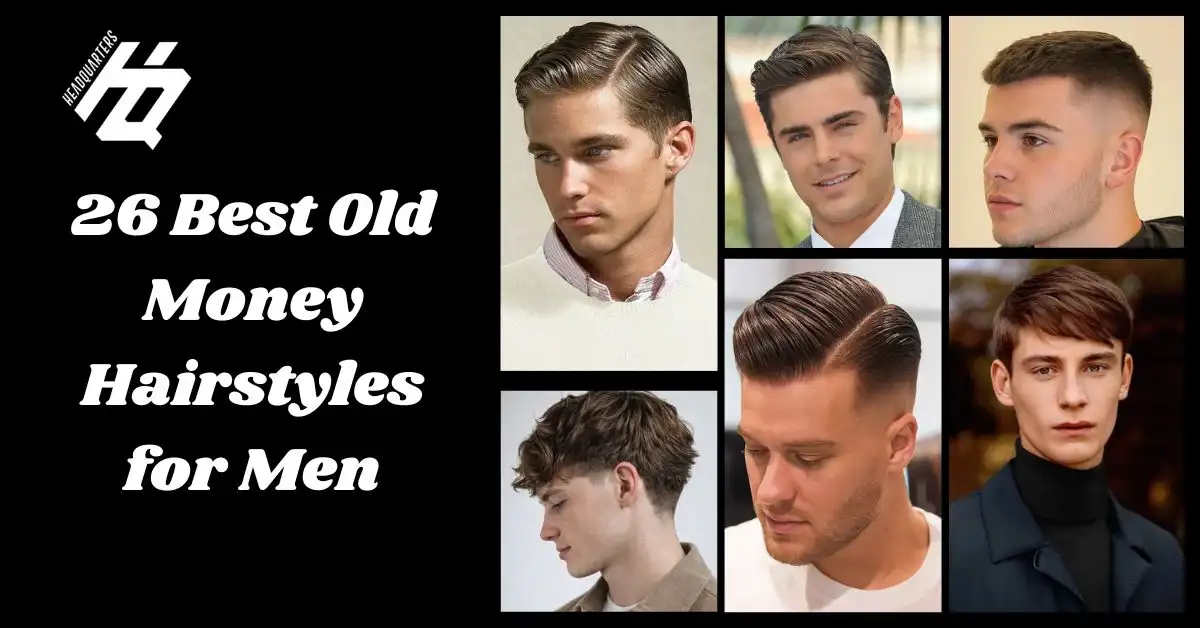
There is a version of well-groomed that money cannot fake. It is not the most expensive product or the trendiest fade. It is a clean cut, a natural finish, and a shape that has worked for decades without needing to keep up with anything. That is what the best old money hairstyles for men deliver, and in 2026, more men are choosing this direction over every passing trend.
The best old money hairstyles for men are classic, polished cuts rooted in Ivy League and prep culture. They feature clean side parts, tapered sides, natural volume, and a refined finish that looks expensive without trying hard. These styles avoid extreme fades, heavy products, and short-lived trends.
The old money hairstyle is aesthetic trending strongly in 2026 because men are shifting away from maximalist grooming. Quiet luxury is the direction. Understated and polished beats are loud and overstated every time.
At HQ Barbershop in Dallas, our licensed barbers deliver exactly this kind of precision. Our mens haircut Dallas service covers every style on this list, executed with the clean technique that old money cuts demand. In this blog, we’ll cover all 26 of the best old money hairstyles for men, organised by style type, with face shape guidance, styling tips, and everything you need to bring the right reference to your next barbershop visit.
What Makes a Hairstyle Look Like Old Money
Before the list, this is worth understanding. Not every clean cut qualifies. Old money grooming has specific characteristics that separate it from simply looking tidy.
- Natural finish over forced styling. Old money hair does not look like it took forty minutes. It looks effortless because the cut is doing the work, not the product.
- Tapered or classic sides over extreme fades. A skin fade reads as modern barbershop. A clean taper or scissor-cut side reads as timeless. The distinction is subtle but real.
- Controlled volume, not flat or stiff. Old money hair moves. It has dimensions. But it is never overworked or product-heavy.
- Precision over personality. These cuts are not expressive. They are composed. The style communicates discipline and refinement, not individuality or trend-chasing.
Classic Old Money Hairstyles for Men: The Foundations
These are the core styles. The ones that have defined the aesthetic for generations and continue to anchor every variation that follows.
1. The Classic Side Part

The classic side part is the most recognised of all the best old money hairstyles for men. A defined parting on one side, hair combed neatly across, tapered sides. It suits oval, square, and heart face shapes. Works on straight to slightly wavy hair.
Light pomade or cream on slightly damp hair, combed to the parted side. The result reads as confident and composed without a single unnecessary element.
2. The Ivy League Cut

Also called the Harvard Clip or Princeton cut, the Ivy League sits between a crew cut and a side part. The sides are short and tapered. The top is slightly longer, allowing a soft part and sweep to one side. It is the hairstyle that defined elite campus culture for decades.
In 2026, the Ivy League men’s haircut remains one of the most requested professional haircuts in American barbershops. Clean, versatile, and precisely on the right side of every dress code.
3. The Classic Slick Back

All hair swept directly back from the forehead. No part. No texture. Just clean, smooth hair moving in one controlled direction. The classic slick back works best on medium to longer hair with enough weight to lie flat.
Light-hold pomade with a natural or low shine finish keeps it from looking greasy. This is not the heavy gel slick back of the 1980s. Old money slick back uses restraint. The finish is polished, not lacquered.
4. The Crew Cut

The crew cut is short, clean, and precise. Uniform length across the top, tapered sides and back. No part required. No styling beyond a quick hand through damp hair.
It suits almost every face shape, which is part of why it has remained relevant for over a century. JFK wore it. It is still being cut every day in barbershops across the country. Simple does not mean plain when the cut is this clean.
5. The Natural Taper

The natural taper is the most understated cut on this list. Slightly longer on top with sides that taper gradually rather than fading sharply. The shape is conservative and proportional. Nothing draws attention. Everything sits exactly where it should.
This is the definition of old money restraint. A man who does not need his haircut to be noticed.
6. The Brushed Back

Similar to the slick back but with more texture and movement. The brushed back style pushes all hair away from the face without flattening it. The result has natural volume and a slightly relaxed finish that reads as effortlessly groomed rather than formally styled.
A small amount of matte styling cream or light pomade on dry hair, a brush pulling the hair backward. Best for medium-length hair on oval and rectangular face shapes.
7. The Soft Side Sweep

The soft side sweep is the most relaxed interpretation of the side part. The hair falls to one side naturally without a hard, defined parting. It looks like the hair simply grew that way and landed in the right place.
Sea salt spray on damp hair, air dried with a slight tousle. The result suits men who want the old money finish without any structured styling time. Works best on wavy to slightly curly hair with medium length on top.
Refined Old Money Hairstyles for Men: The Elevated Versions
These styles take the core old money principles and apply them with more intention, more structure, or more length.
8. The Pompadour (Refined Version)

The old money pompadour is not the towering 80s version. It is moderate, controlled, and refined. Volume at the front sweeps upward and slightly back, but the height is kept proportional. The sides are tapered, not faded.
A light-hold pomade with natural shine sets the volume without making the hair look stiff. This version suits men who want presence without theatrics.
9. The Quiff With Taper

The quiff with taper builds front volume upward and slightly backward. The sides taper cleanly. The overall shape has clear structure without rigidity.
It sits comfortably between a pompadour and a brushed back and suits men who want something slightly more dynamic than a classic side part while keeping firmly within the old money register. Works well for oval and square face shapes.
10. The Executive Contour

The executive contour is a barbershop term for a classic businessman’s cut. Medium length on top, clean scissor-cut sides with a natural taper, and precise clean-up around the ears and neckline. No fade. No texture product. Just a clean, sharp shape.
This is the cut that has been worn in boardrooms since the 1950s and continues to read as authoritative and well-composed in 2026.
11. The Natural Wave Style

Men with naturally wavy hair carry this style without effort. Medium length on top allowed to wave naturally, tapered sides keeping the shape controlled. The natural wave style looks expensive because it does not fight the hair’s natural texture.
A small amount of curl cream or light styling cream on damp hair, air dried. The waves form, the sides stay clean, and the finish looks like it cost more than it did.
12. The Side Part With Fade

A modern update on the classic side part. The defined parting stays. The taper becomes a low fade rather than a scissor taper. The result bridges traditional old money grooming with contemporary barbering without crossing into trend territory.
The fade must be low and conservative. A high skin fade removes the old money quality immediately. The key is a subtle gradient that cleans the silhouette without dominating it.
13. The Textured Crop With Natural Finish

The textured crop stays within old money territory when the finish is matte and natural rather than high-shine or heavily styled. Short sides, a textured top sitting flat with natural movement, no hard fringe line.
Matte clay on dry hair, worked through with fingers. The result looks intentional but effortless, which is exactly the balance old money grooming requires.
14. The Classic Undercut

The classic undercut disconnects the longer top section from the shorter sides without using a fade. The division is clean and clear. All hair on top is swept backward with a light pomade.
The old money version of this cut keeps the top length moderate rather than extreme. The sides are clipped cleanly but not faded to the skin. The overall proportion stays conservative and polished.
Long and Medium Old Money Hairstyles for Men
Not all old money cuts are short. Established wealth has always had room for length, as long as the finish is clean and the shape is controlled.
15. The Gentleman’s Medium Length

Medium length all over with soft layering that removes bulk and adds movement. The gentleman’s medium length sits at two to three inches on top and blends neatly at the sides without a sharp contrast.
This suits men with straight to wavy hair who want length without losing the polished quality that defines the old money look. A lightweight styling cream on damp hair, blow-dried with a round brush. Clean, substantial, and quietly authoritative.
16. The French Crop

The French crop is one of the most refined short cuts in classic men’s grooming. The top is kept short with a soft, natural fringe sitting just above the forehead. The sides taper cleanly downward. No hard fringe line. No extreme contrast. Just a clean, proportional shape that suits almost every face type.
It reads as polished and deliberate without being formal. For old money purposes, a matte finish with minimal product keeps the French crop firmly within the aesthetic. A small amount of matte clay on dry hair, pressed lightly through the fringe. Done in under two minutes every morning.
17. The Swept Back With Natural Hold
All hair pushed backward from the face with a matte, natural finish. The swept back with natural hold differs from the slick back in its finish and its texture. Where the slick back lies flat and smooth, the swept back retains some movement and dimension.
A matte paste or natural-hold cream on dry hair, palms pushing the hair backward. Suits men with medium to longer hair on oval and oblong face shapes.
18. The Layered Long Top With Taper
Four to five inches on top with careful layering that prevents bulk, tapered sides keeping the silhouette proportional. The layered long top with taper is the longest style that comfortably stays within old money territory.
The layering is the key. Without it, long hair on top without a fade looks heavy and unkempt. With correct layering and a taper, it reads as deliberate and refined.
Old Money Hairstyles for Men by Hair Type
19. The Natural Curl Control Cut

Men with naturally curly hair carry old money grooming through length management and clean sides. The natural curl control cut keeps curls at a moderate length on top, preventing the bulk that makes curly hair look uncontrolled. Tapered sides maintain proportion.
A light curl cream defines the curl pattern without making it look styled. The result is polished natural texture rather than forced straightness.
20. The Short Natural Afro With Taper

A short natural afro with clean tapered sides and an even top height reads as refined and intentional within old money grooming principles. The shape is clean and geometric. The natural texture does all the work.
Regular visits to the barbershop keep the shape consistent. The taper needs to be conservative rather than a sharp skin fade to stay within the old money register.
21. The Wavy Taper

Similar to the natural wave style but with a more deliberate taper on the sides. The wavy taper works with the natural wave pattern rather than against it. The sides taper gradually, and the top waves are allowed to sit naturally.
Light sea salt spray or a curl-enhancing cream on damp hair, air dried. The result looks expensive and requires almost no effort once the cut is right.
22. The Caesar Cut

The Caesar cut keeps the hair at a uniform short length across the top with a short, horizontal fringe sitting flat across the forehead. The sides taper or are clipped to match. The shape is clean, symmetrical, and requires almost no styling.
George Clooney wore this style through much of the 1990s and made it look quietly expensive rather than simply practical. In the old money context, the Caesar cut works because its simplicity reads as confidence. No fuss. No product. Just a precise, well-executed cut that always looks composed.
Modern Takes on Old Money Hairstyles for Men
23. The Modern Ivy League With Fade

The modern Ivy League updates the classic version with a low taper fade on the sides instead of a scissor taper. The top retains the sweep and the soft part. The fade is subtle and conservative, never high or skin-close.
This is one of the most popular cuts in American barbershops right now. It bridges old money tradition with contemporary precision. Our guide on what haircut should I get men discusses this style in detail for men deciding between modern and classic options.
24. The Soft Pompadour With Matte Finish

The classic pompadour was updated with a matte finish and reduced volume. The soft pompadour has shape and presence but does not draw attention through height or shine. The front lifts naturally, sweeps back slightly, and stays in place with a small amount of matte clay.
This is the most wearable pompadour for professional settings. It reads as polished without being theatrical.
25. The Preppy Side Part With Texture

The traditional side part with a light textured finish on top rather than a smooth, combed appearance. The preppy side part with texture maintains the parting and the clean sides but allows the top to have some natural movement and dimension.
Matte paste on dry hair, combed to the part side with fingers rather than a brush. The result reads as modern old money rather than strictly traditional.
26. The Regulation Cut

The regulation cut is the most disciplined style on this entire list. Short back and sides with a slightly longer, neatly combed top. The taper is clean and conservative. The overall shape is tight and proportional without a single unnecessary element.
Originally a military standard, the regulation cut crossed into civilian old money territory because it communicated exactly what the aesthetic values were: precision, discipline, and zero tolerance for excess. A light cream or nothing at all. The cut does everything.
Old money cuts also hold up across seasons. Our summer haircuts for men 2026 guide shows which of these styles work through warmer months, and our trendy and vintage styles for men blog covers how classic cuts connect to current grooming direction.
How to Choose the Right Old Money Hairstyle
Three things determine which of the best old money hairstyles for men suits you.
- Face shape first. Oval faces suit every style on this list. Square faces carry the classic crew cut, side part, and ivy league particularly well. Round faces benefit from styles with height or volume at the top, such as the pompadour or quiff with taper.
- Hair texture second. Work with your natural texture. The natural wave style, wavy taper, and natural curl control cut are designed for specific textures. Forcing straight styling on wavy hair produces a result that fights itself and rarely looks polished by the end of the day.
- Maintenance commitment third. The crew cut and natural taper need minimal daily effort. The pompadour and classic slick back need a few minutes of blow-drying and product work. Be honest about your morning routine before choosing.
For help asking your barber for the right cut, our guide on how to ask for a haircut mens gives you exact phrases that translate your reference into a clear brief. And for understanding how often to book a trim to keep the shape consistent, our guide on how often haircut men covers the right schedule for every style type.
Final Thoughts
The best old money hairstyles for men share one quality above everything else: they look like they belong. Not on trend. Not trying. Just permanently, effortlessly right. Clean cuts. Natural finishes. Shapes that have worked for decades and will keep working long after this year’s trending style has been forgotten.
At HQ Barbershop in Dallas, we cut these styles every day. Our TDLR-licensed barbers understand classic barbering technique and deliver the precision that old money grooming requires. From the Ivy League to the natural taper to the refined pompadour, every cut on this list is in our wheelhouse. Walk-ins welcome at Oak Lawn Avenue, or Book your old money mens haircut at HQ Barbershop and walk out looking exactly like someone who never had to try.
FAQs: Best Old Money Hairstyles for Men
Question: What is an old money hairstyle for men?
An old money hairstyle is a classic, well-groomed cut with clean lines, natural volume, and a polished finish that looks expensive without looking effortful. These styles are rooted in Ivy League and prep culture and favour tapered sides, natural finishes, and timeless shapes over trends, fades, or heavy product.
Question: Which old money hairstyle suits a round face?
Styles with height or front volume work best for round faces. The quiff with taper, soft pompadour, and modern Ivy League all add vertical proportion that balances roundness. Avoid styles that add width at the sides without height on top.
Question: What products do old money hairstyles use?
Light-hold pomades, matte clays, natural-finish styling creams, and sea salt spray. Old money grooming avoids heavy gel, high-shine pomades, and anything that makes the hair look overworked. The finish should always look natural and controlled rather than styled.
Question: Are old money hairstyles low maintenance?
Most of them are. The crew cut, natural taper, soft side sweep, and wavy taper require minimal daily effort once the cut is right. The pompadour and slick back need a few minutes with a blow dryer and product. Compared to high-fade or heavily styled cuts, old money styles are generally easier to maintain daily.
Question: How often should I get an old money haircut trimmed?
Every three to four weeks for most styles. The natural taper and crew cut can go up to four weeks. The classic side part and Ivy League start losing their clean shape after three weeks for most men. Regular trimming is what keeps these cuts looking intentional rather than grown out.