June 4, 2026
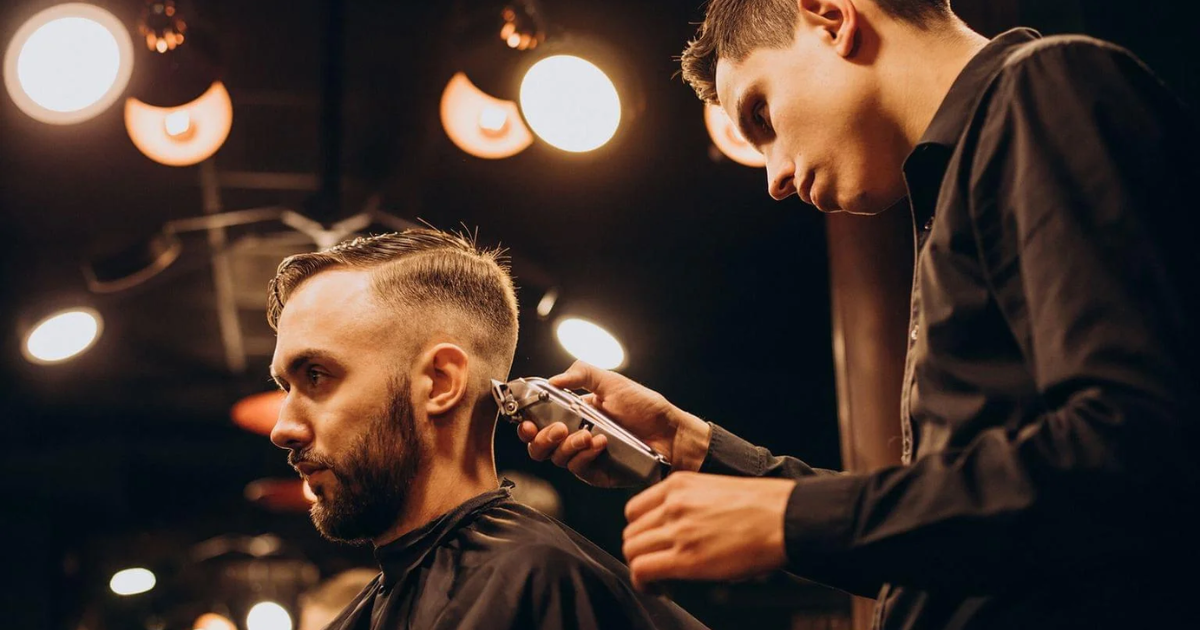
Most men who attempt to trim a handlebar mustache at home end up cutting off too much on one side and spending the next six weeks growing it back. It is one of the most unforgiving styles in men’s grooming, with a razor-thin margin for error.
A handlebar mustache is a facial hair style where the ends are grown long enough to be styled outward and curled upward, typically held in place with wax. Unlike a standard moustache, the shape depends entirely on precise, controlled trimming of both the centre and the handles.
Get the technique wrong once, and weeks of growth are gone.
At HQ Barbershop in Dallas, our barbers work with clients on exactly this challenge every week. Our moustache trim service is one of the most requested in the shop, and for good reason.
In this blog, we’ll walk you through every step of how to trim a handlebar mustache the right way.
What Is a Handlebar Mustache? (And Why It Demands Precision)
The handlebar mustache is one of the most recognised and respected styles in men’s grooming. It has been worn by bare-knuckle boxers, presidents, and Hollywood legends. But recognising it is easy. Growing and maintaining one correctly is a different matter entirely.
Most men underestimate how much work this style actually requires.
The entire look depends on balance. One handle even slightly shorter than the other, and the whole thing looks accidental rather than intentional. A jagged centre line, and it reads as unkempt. The handlebar mustache rewards patience and punishes rushed trimming.
At HQ Barbershop in Dallas, we see this regularly. Clients come in after trimming at home and the most common issue is not the length. It is the symmetry. One side ends up a quarter inch shorter than the other, and from that point the only option is to match both sides down or wait weeks for the shorter side to catch up.
Getting the technique right from the start saves you that frustration entirely.
The Different Styles of Handlebar Mustache
Not every handlebar mustache looks the same. Before you pick up a pair of scissors, it helps to know exactly which style you are working with, because each one has slightly different trimming priorities.
The Classic Handlebar is the most common version. The ends curl upward and sometimes loop back on themselves. This is the style most men picture when they hear the term. It requires the longest handle growth and the most wax to hold its shape.
The Petite Handlebar is a smaller, more understated version. It suits men whose mustache hair does not grow wide enough for the full classic style. The handles are shorter, the curl is tighter, and it is generally easier to maintain at home.
The English Mustache is often confused with the classic handlebar. The key difference is that the handles point straight out rather than curling upward. It is a cleaner, more minimal look and works well for men who want the handlebar shape without the dramatic curl.
The Hungarian Mustache is the boldest version. The hair covers the entire upper lip, and the handles sweep downward before curling out. It is a statement style, historically associated with figures like Wyatt Earp and, notably, the Monopoly man.
Knowing your style matters because trimming a Hungarian the same way you would trim a Classic will produce the wrong result every time.
How Long Does It Take to Grow a Handlebar Mustache?
This is the question most men ask before they ask anything about trimming.
The honest answer is that most men need at least six to eight weeks of uninterrupted growth before any meaningful trimming can begin. And that is just the starting point. A full handlebar with properly styled ends and enough length to hold a curl typically takes three to four months.
The biggest mistake during the growth phase is trimming too early. We understand the temptation. The hairs grow unevenly, they curl toward the mouth, and the whole thing looks messy for weeks. But cutting the ends during this stage removes the very length you are trying to build.
Resist it.
During the growth phase, the only trimming worth doing is a light clean-up of the centre, directly above the upper lip, to keep things tidy while the outer sections continue to grow. Everything else should be left alone.
Tools You Need to Trim a Handlebar Mustache at Home
Before you touch a single hair, you need the right tools in front of you. This is not a style you can improvise with whatever is in the bathroom drawer. The wrong scissors, a blunt trimmer, or no comb at all, and you will end up fixing a mistake instead of refining a shape.
Here is what you actually need.
Mustache scissors are non-negotiable. These are small, sharp, pointed scissors designed specifically for facial hair. Standard kitchen scissors or craft scissors will crush the hair ends rather than cut them cleanly. Crushed ends look ragged and split faster.
A fine-toothed mustache comb is the second essential tool. It does three jobs: it detangles before trimming, it guides the scissors during trimming, and it helps assess symmetry throughout the process. Do not substitute a wide-tooth comb or a beard brush here. The fine teeth give you the control this style demands.
Good lighting and a clear mirror matter more than most men expect. Natural light or a bright bathroom light positioned in front of your face, not above it, gives you the truest view of both sides. Overhead lighting creates shadows that make one side look shorter than it actually is. We have seen clients come in convinced their right handle was shorter, only to find in proper lighting that both sides were identical.
Optional but useful: a small electric trimmer with a detail attachment for the centre line, and mustache wax for the styling stage that follows trimming.
That is the full kit. Simple, but every item has a specific role.
Scissors vs. Electric Trimmer: Which Should You Use?
The short answer is: both, for different parts of the mustache.
Use a trimmer on the centre section directly above the upper lip. It gives you a clean, even line quickly, and most detail trimmers have a guard that prevents you from going too short. This part of the mustache does not require the same finesse as the handles.
Use scissors on the handles. Full stop. The ends require small, precise snips at a specific angle to maintain the curl. A trimmer on the ends is too aggressive and removes too much at once. Scissors give you the control to cut one or two hairs at a time if needed, which is exactly the level of precision this style demands.
Some men use scissors for the entire trim. That works. But using a trimmer on the handles is a risk that rarely pays off.
How to Prepare Your Handlebar Mustache Before Trimming
Preparation is where most home trims go wrong before they even begin. Men pick up the scissors immediately after showering, when the mustache is clean, product-free, and hanging loosely in a shape it will never actually wear during the day.
That gives you completely inaccurate information about what needs trimming.
Wet hair looks longer than dry hair. Product-free hair falls differently than styled hair. If you trim based on what you see in a freshly washed mustache, you are trimming a version of it that does not exist in real life.
Why You Should Style Before You Trim (Not After)
Here is the step that changes everything, and almost no guide mentions it.
Before you pick up any scissors, wash your face, dry your mustache completely, and apply your wax. Style it exactly as you would wear it on a normal day. Pull the handles out, set the curl, and let the wax do its job.
Now look in the mirror.
The hairs that are sticking out, sitting unevenly, or breaking the line of the curl are the ones that need cutting. The overall length you are seeing is the true, real-world length. This is what you are actually trimming.
Think about it this way. A tailor does not measure you in clothes that do not fit. He measures you as you are. Trimming a handlebar mustache works the same way.
Once the wax is in and the shape is set, you can accurately assess what needs work. Not before.
How to Trim a Handlebar Mustache: Step-by-Step
This is the section that matters most. Follow each step in order. Do not skip ahead and do not rush. Set aside at least 30 minutes the first time you do this, even if the actual cutting takes ten.
The goal is not speed. The goal is keeping the shape you have spent months building.
If you would rather have this done properly from the start, our moustache trim service at HQ Barbershop in Dallas delivers a precise, professional result every single time.
Step 1: Assess Symmetry and Length Before Cutting Anything
Put the scissors down. Before anything else, stand in front of a well-lit mirror and comb both handles outward to their natural position. Look at both sides without touching them.
Ask yourself three questions. Are both handles the same length? Does the curl on each side match? Is the centre line sitting evenly above the upper lip?
Pull both handles straight out horizontally and compare the tips. This is the most accurate way to check length. If one side is clearly longer, note by how much. That is your only target. You are not reshaping the whole mustache. You are correcting one specific measurement.
Most of the time, men discover the difference is smaller than they assumed.
Step 2: Trim the Centre (Upper Lip Line) First
Start in the middle and work outward. Never start at the ends.
Use your trimmer or small scissors to clean the hair directly above the upper lip. The guideline here is width: trim no wider than the tip of your nose on each side. Beyond that width, the hairs need to grow long and join the handles.
Keep the line straight across. This single detail makes the entire mustache look more intentional and well-maintained. A curved or uneven centre line, even a subtle one, throws off the whole shape.
Do not go too short here either. Leave enough length above the lip that eating and drinking do not become a constant frustration.
Step 3: Trim and Shape the Ends (The Handles)
This is where most men over-trim. And once the length is gone, it is gone.
Hold the first handle gently between your index finger and thumb, keeping the hair in its natural styled position. Using your mustache scissors, make small snips at a slight downward angle. This angle preserves the curl rather than flattening the tip.
Cut less than you think you need to. Seriously. Take off half of what your instinct tells you to remove, then step back and look. You can always take more off. You cannot put it back.
Repeat on the other side with the same number of snips at the same angle.
Step 4: Thin the Mustache If Needed
Not every man needs this step. But for those with naturally thick, dense mustache hair, thinning makes a significant difference to the overall shape.
Using scissors, trim along the underside of the mustache, working from the centre outward. You are reducing bulk, not length. The goal is a smoother, more defined curve from the centre down into the handles.
Do not thin the very ends. Thinning the tips removes the fullness that the curl needs to hold its shape.
Step 5: Check Both Sides for Even Length
Step back. Look at the full mustache with fresh eyes.
Pull both handles out horizontally again and compare the tips. If one side is now shorter than the other, do not panic. The fix is to carefully trim the longer side down to match. Small snips. Check after each one.
The one mistake to avoid here is going back and forth between sides trying to match them perfectly and ending up shorter on both than you intended. Make a decision, trim the longer side, and stop.
And here is the thing. A very slight difference in handle length is almost invisible to anyone looking at you. It is far more visible to you than to anyone else. Know when to stop adjusting.
How to Style Your Handlebar Mustache After Trimming
Trimming is only half the process. What you do in the next five minutes determines whether the mustache looks sharp or just looks trimmed.
Styling locks the shape in and shows you the true result of your work.
How to Apply Mustache Wax for Maximum Hold
Start with clean, dry mustache hair. Take a small amount of wax, roughly the size of a grain of rice for each side, and warm it between your thumb and index finger for ten to fifteen seconds. You want it soft and workable, not melted.
Apply from the centre of the mustache outward, working the wax through the hair with your fingers. Then run the fine-toothed comb through from root to tip to distribute it evenly. This prevents any one section from being overloaded with product.
For Dallas summers specifically, use a medium to strong-hold wax. Light-hold wax softens quickly in heat and humidity, and your handles will lose their shape within a couple of hours. A stronger formula holds the curl through a full day.
How to Curl the Ends Without Losing Shape
Once the wax is distributed, use your fingers to guide each handle into position. Work from the base of the handle toward the tip, smoothing as you go.
For a traditional upward curl, use a pen or pencil as a guide. Wind the end of the handle around the barrel slowly, hold it for ten seconds, and release. The hair will retain the curve. Repeat if you want a tighter loop.
Pull both handles out one final time and compare. Make small adjustments with your fingers before the wax sets completely.
Then leave it alone. Over-handling after the wax sets breaks the hold.
The Most Common Handlebar Mustache Trimming Mistakes (And How to Avoid Them)
We see the results of these mistakes walk through our door regularly. A client sits down and within thirty seconds of looking at the mustache, the issue is obvious. The good news is that every one of these mistakes is entirely avoidable.
Trimming Both Sides at the Same Time
This sounds efficient. It is not.
When you try to trim both handles simultaneously, you lose the reference point. You end up adjusting each side based on what the other side looks like right now, rather than what it should look like. The result is a gradual shortening of both handles as you chase symmetry that keeps moving.
Trim one side completely. Step back. Use that side as the reference. Then trim the other side to match it. This is how professional barbers approach it, and it is the only method that produces consistent results.
Cutting Too Much Off the Ends in One Session
The most common mistake by a significant margin.
A handlebar mustache grows approximately half an inch per month. If you trim too aggressively in one session, you have set yourself back four to six weeks of growth. That is not a small consequence.
The rule we give every client: trim half of what your instinct tells you to. Your eye always overestimates how much needs to come off. Start conservative, step back, and only go further if the shape genuinely requires it.
Skipping the Wax Before Trimming
We covered this in the preparation section, but it is worth repeating here because it is that important.
A freshly washed, product-free mustache droops. The handles fall toward the mouth. The centre hangs over the upper lip. Trimming in this state means you are cutting based on a shape that disappears the moment you apply wax.
Men who trim before styling consistently end up with handles that are too short once the wax goes in, because the hair sat lower than it actually sits when styled. Apply the wax first, always.
Handlebar Mustache Maintenance Schedule: How Often Should You Trim?
Growing a handlebar mustache is a long-term commitment. Maintaining it is an ongoing routine. The two require different approaches.
During the active growth phase, the less trimming the better. Light centre clean-ups every two weeks are enough. Leave the handles entirely alone.
Once the mustache has reached its target length and shape, the maintenance routine changes. Trim the centre every one to two weeks to keep the upper lip line clean. Trim the handles every two to three weeks, removing only stray hairs and split ends rather than adjusting the overall length.
Daily wax application keeps the shape between trims.
At-Home Routine vs. Professional Barber Visit
Home maintenance works well for the regular upkeep. But there are times when a professional visit produces results that home trimming simply cannot.
Every six to eight weeks, we recommend booking a professional trim to reset the shape. A barber can assess the symmetry with trained eyes, correct any gradual drift that has built up over weeks of home trimming, and make adjustments to the overall shape that are difficult to see when you are standing six inches from your own mirror.
Our beard trim service at HQ Barbershop covers the full facial hair picture, including the mustache, and is a practical addition to any handlebar maintenance routine.
Think of home trimming as maintenance and a professional visit as a reset. Both have a role.
When to See a Professional Barber Instead of Trimming at Home
There is a point in every handlebar journey where home trimming reaches its limit. Knowing when that point has arrived saves you from making a mistake that costs you months of growth.
These are the specific situations where you should book an appointment rather than picking up the scissors yourself.
The symmetry has drifted significantly. If one handle is noticeably longer than the other and you have already attempted to correct it at home without success, stop. Further attempts to even things out at home often result in both sides being trimmed shorter than intended. A barber can assess the true difference and correct it in a single visit.
The curl has lost its shape. Sometimes the handles stop holding a curl properly even with strong wax. This can happen when the ends become too heavy, when split ends have built up, or when the overall shape needs a structural reset. This is not something a light trim fixes. It requires a proper reshape.
You want to switch handlebar styles. Moving from a Classic Handlebar to an English Mustache, or attempting a Hungarian for the first time, requires a deliberate reshaping of the entire mustache. Attempting a style change at home without experience almost always produces an uneven result.
The skin around the mustache needs attention. The area above the lip and along the cheeks framing the mustache requires precise shaving to make the handlebar look intentional. Our face shave service takes care of exactly this, giving the mustache a clean frame that sharpens the entire look.
Our moustache trim service at HQ Barbershop in Dallas handles all of these situations. Jordan Kiswani and our team have worked with every handlebar style and every stage of growth. Walk-ins are welcome, or you can book an appointment to guarantee your slot.
Frequently Asked Questions About How to Trim a Handlebar Mustache
Question: How often should you trim a handlebar mustache?
Answer: It depends on which part of the mustache you are talking about. The centre, directly above the upper lip, needs attention every one to two weeks to keep the line clean. The handles are a different matter. Trim those every two to three weeks, and only remove stray hairs and split ends rather than adjusting the overall length. A full professional reshape every six to eight weeks keeps the shape consistent over time. For a complete trim that covers the mustache and the surrounding facial hair, our moustache trim service at HQ Barbershop in Dallas is the most reliable option.
Question: Can you trim a handlebar mustache with a trimmer instead of scissors?
Answer: A trimmer works well for the centre section, directly above the upper lip, where you need a clean, even line quickly. But on the handles themselves, scissors are the better tool. A trimmer removes too much at once and does not give you the angle control that shaping the curl requires. Most barbers use both in a single session, a trimmer for the centre and scissors for the ends. If you only have one tool available, use scissors for the entire trim. It takes longer, but the result is more controlled.
Question: How do you keep a handlebar mustache even on both sides?
Answer: Assess before you cut. Pull both handles straight out horizontally and compare the tips before touching anything. Once you have identified which side is longer, trim that side only, in small increments, checking after each snip. Never trim both sides at the same time. Use the trimmed side as your reference point and bring the longer side down to match it. Also check your lighting. Overhead lighting creates shadows that make one side appear shorter than it actually is. Position yourself in front of a light source, not under one, for the most accurate view. You can also read our guide on how to trim a moustache properly for more detail on achieving an even result.
Question: How long does it take to grow a handlebar mustache?
Answer: Most men need six to eight weeks of uninterrupted growth before any real trimming can begin. A full handlebar with enough length to hold a styled curl typically takes three to four months. The growth phase is the hardest part, not because of the time, but because the mustache looks untidy for several weeks before it starts to take shape. The key is to resist trimming the handles during this period. A light clean-up of the centre line every two weeks is fine. Everything else should be left alone until the handles have the length to work with. For related advice on facial hair growth, our post on does trimming beard help it grow covers the science behind trimming and growth in detail.
Question: What is the best wax for a handlebar mustache?
Answer: The right wax depends on your environment and your style. A medium to strong-hold wax is the practical choice for everyday wear, particularly in a city like Dallas where heat and humidity are factors for most of the year. Light-hold wax softens quickly in warm conditions and the handles lose their shape within a few hours. For a tight upward curl, a strong-hold wax gives you the control to set the shape and keep it there through a full day. Apply a small amount warmed between your fingers, work it through from root to tip, and style before the wax sets. If you are wearing a handlebar alongside a full beard, our guide on how to trim a moustache with a beard walks through the full combined grooming process.
Conclusion
A well-maintained handlebar mustache does not happen by accident. It takes the right tools, the right technique, and the patience to trim less than your instinct tells you to. Style the wax in before you cut. Start with the centre. Trim the handles one side at a time. Check symmetry with the handles pulled straight out. And when the shape needs a professional reset, do not wait until the damage is done.
The barbers at HQ Barbershop in Dallas work with handlebar mustaches at every stage, from the first trim after months of growth to the ongoing reshape that keeps the style looking intentional. Our team understands the precision this style demands, and we bring that same attention to detail to every appointment.
If you are ready to have it done properly, book your moustache trim service at HQ Barbershop today. Walk-ins are always welcome at 3527 Oak Lawn Avenue, Dallas, TX 75219, or call us on (214) 741-1744 to book your slot.