January 7, 2026
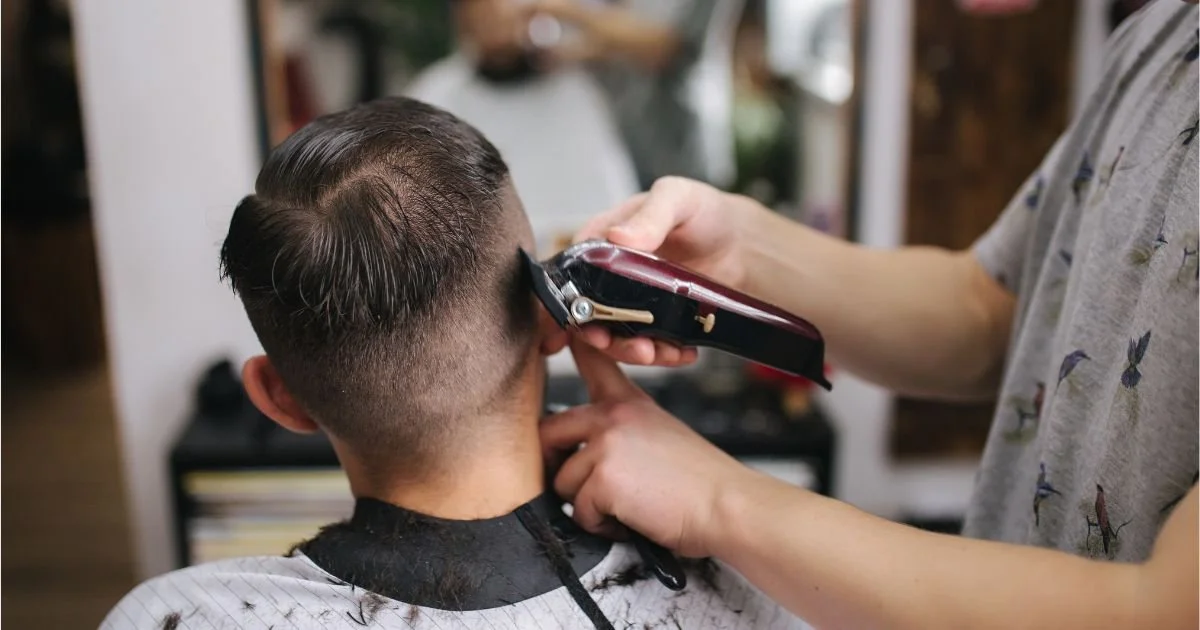
90s haircut men styles are officially back, but the key question is simple. Which 90s haircuts actually work in 2026 without looking outdated? The short answer is this. When done with modern texture, cleaner lines, and the right styling tools, classic Trendy 90s Haircut Styles for Men looks fresh, wearable, and confident today.
From curtain haircuts and Caesar cuts to textured spikes and clean buzz cuts, 90s hairstyles were defined by simplicity and attitude. Today, we refine those looks using modern barber techniques, precision clippers, blow dryers, matte clays, and low-shine pomades. The result is a retro-inspired haircut that fits current trends, work settings, and everyday life.
At HQ Barbershop, we see more men asking for 90s-inspired haircuts than ever before. We guide clients on how to modernize each style based on face shape, hair type, and lifestyle. Our goal is to help you choose a haircut that looks intentional, not costume-like.
In this guide, you will discover the top 12 trendy 90s haircut styles for men, how to wear them today, and exactly what to ask your barber. You will also learn maintenance tips to keep each look sharp between visits. For deeper cultural context on 90s fashion and grooming influence, see this overview from GQ on the return of 90s men’s style.
What Is A 90s Haircut for Men And Why It’s Trending Again

If you have noticed more men walking into barbershops asking for middle parts, textured layers, or clean buzz cuts, you are not imagining it. 90s haircut men styles are making a strong comeback, and in 2026 they are more refined than ever. The reason is simple. These haircuts were built around confidence, low effort styling, and natural texture, things modern men value again today.
A 90s haircut for men refers to styles that were popular throughout the 1990s, often worn by musicians, athletes, and movie stars. Think curtain haircuts, Caesar cuts, flat tops, and relaxed layered looks. According to fashion coverage from GQ, 90s inspired grooming trends continue to rise as men move away from overly polished styles and back toward natural, wearable haircuts that feel authentic.
At HQ Barbershop, we see this trend daily. Clients across Dallas ask us for 90s inspired cuts that still work for office life, social settings, and modern fashion. The key is understanding what makes a haircut truly “90s” and how to update it correctly.
Key Features of Classic 90s Men’s Hairstyles
- Natural texture over sharp fades
- Visible parts, often a middle or soft side part
- Medium length on top with balanced proportions
- Minimal layering designed to move naturally
- Simple styling using light products, not heavy hold
These styles were designed to look good without constant maintenance, which is why they still appeal today.
How Modern Barber Techniques Update 90s Haircuts
- Cleaner tapers instead of bulky sides
- Matte clays and texture creams replacing heavy gels
- Precision clipper work blended with scissor cutting
- Custom adjustments for face shape and hair density
Modern barbering tools and techniques allow us to keep the retro feel while delivering a sharper finish. For deeper cultural insight, GQ’s grooming editors explain how 90s fashion continues to influence men’s style today. If you want to see how these principles translate into real results, check our Men’s Haircut Services and Hair Styling Consultation services. Next, we will help you narrow things down and choose the right 90s haircut based on your face shape and hair type.
How To Choose The Right 90s Haircut Men For Your Face Shape And Hair Type
Standing in the barber chair and saying “I want a 90s haircut” can feel vague. The good news is this. Choosing the right 90s haircut men style becomes easy when you match it to your face shape, hair texture, and daily routine. We do this every day at HQ Barbershop with clients across Dallas who want a retro look that still fits modern life.
A quick rule to remember. The best 90s haircuts work with your natural features, not against them. When the proportions are right, the style looks intentional and confident, not costume-like.
Best 90s Haircuts for Round, Oval, Square Faces
- Round face: Curtain haircuts with soft layers, medium-length textured tops, or side-parted 90s styles help add length and balance.
- Oval face: Almost every 90s haircut works here, including Caesar cuts, middle parts, and short tapered looks.
- Square face: Flat tops, clean buzz cuts, and structured spiky styles highlight strong jawlines without overdoing volume.
Straight, Wavy, and Curly Hair 90s Styles
- Straight hair: Middle parts, Caesar cuts, and sleek layered styles stay true to classic 90s roots.
- Wavy hair: Textured curtains and relaxed grunge-inspired cuts look natural and effortless.
- Curly hair: Short layered 90s cuts with controlled volume work best, avoiding heavy thinning that causes frizz.
According to guidance from the American Academy of Dermatology, working with your natural hair texture reduces damage and improves long-term hair health, which aligns perfectly with how 90s styles were originally worn.
Low Maintenance vs High Styling 90s Cuts
- Low maintenance: Buzz cuts, short Caesar cuts, and tapered styles need minimal daily effort.
- High styling: Curtain haircuts and spiky looks require blow drying and light product use for best results.
If you are unsure where you fall, our Men’s Haircut Services and Hair Styling Consultation pages can help guide the decision. Next, we will break down the top 12 trendy 90s haircut styles you can confidently choose in 2026.
Top 12 Trendy 90s Haircut Styles For Men In 2026
Below are the most requested and wearable 90s haircut men styles, updated for 2026. Each haircut follows the same structure so you can quickly compare, decide, and communicate clearly with your barber.
Curtain Haircut (Middle Part)

The curtain haircut features a visible middle part with balanced length on both sides. It was a signature 90s look worn by actors, musicians, and athletes.
Who it suits best
Best for oval and round face shapes. Works well with straight or slightly wavy hair.
How it is worn in 2026
In 2026, the look is softer and more textured. Barbers add light layers and reduce bulk so it feels natural, not flat. Medium. Requires blow drying and light styling product for daily shape.
Caesar Cut

Short, horizontal fringe with an even length across the top. Clean, simple, and structured.
Who it suits best: Ideal for oval and square faces. Also helpful for men with thinning hair or receding hairlines.
How it is worn in 2026
The modern Caesar uses softer edges and subtle tapering on the sides instead of blunt line Low. Easy to maintain with trims every three to four weeks.
Buzz Cut with Line Up

Ultra-short length with a sharp line up around the hairline and temples.
Who it suits best: Great for square and oval faces. Works with all hair types.
How it is worn in 2026
Cleaner fades and more precise line work give it a polished, modern finish. Low. Frequent touch-ups keep it sharp.
Flat Top or High Top Fade


Tall, structured shape with flat or slightly rounded top and faded sides.
Who it suits best: Best for men with thick or textured hair and strong facial structure.
How it is worn in 2026
Softer edges and natural texture replace overly rigid shapes. High. Needs regular barber visits to maintain shape.
Spiky Textured Hair

Short to medium length hair styled upward with visible texture.
Who it suits best: Oval and round faces. Best for straight or fine hair.
How it is worn in 2026
Matte clays replace shiny gels for a more natural look. Medium. Daily styling required.
Grunge Layered Hair

Medium length with uneven layers inspired by 90s rock culture.
Who it suits best: Oval faces and men with wavy or slightly curly hair.
How it is worn in 2026
Controlled layers with intentional shape avoid the messy look. Medium. Occasional trims and minimal product use.
Short Tapered Cut

Short sides with a gentle taper and slightly longer top.
- Who it suits best: Works for all face shapes and hair types.
How it is worn in 2026
Blended tapers and textured tops keep it modern. Low to medium. Easy daily upkeep.
Side Part 90s Style

Defined side part with clean separation and structured volume.
Who it suits best: Square and oval faces. Best for straight hair.
How it is worn in 2026
Less rigid parting and softer styling for versatility. Medium. Requires styling for definition.
Shaggy Medium Length Cut

Loose, layered cut with natural movement and volume.
Who it suits best: Oval and round faces. Ideal for thick or wavy hair.
How it is worn in 2026
Cleaner layering keeps it intentional rather than unkempt. Medium. Light styling and trims needed.
Taper Fade with Volume

Gradual taper on the sides with fuller hair on top.
Who it suits best: All face shapes. Works well with thicker hair.
How it is worn in 2026
Smoother fades and natural volume balance retro and modern. Medium. Regular trims recommended.
Clean Ivy League Inspired 90s Cut

Short, neat cut with subtle side part and conservative length.
Who it suits best: Oval and square faces. Ideal for professional settings.
How it is worn in 2026
Slight texture added for movement and flexibility. It’s Low. Easy to manage.
Modern Frosted Texture Variation

Subtle highlights or lighter texture inspired by classic frosted tips.
Who it suits best: Best for confident styles and medium-length cuts.
How it is worn in 2026
Soft, blended tones replace bold contrasts for a refined look. High. Requires color maintenance and proper care.
Each of these 90s haircut men styles can work in 2026 when chosen correctly and updated with modern barber techniques. In the next section, we will explain exactly how to ask your barber for the right 90s haircut without confusion or mistakes.
How To Ask Your Barber For A 90s Haircut Without Confusion
Many bad haircut experiences start with unclear communication. Saying “I want a 90s haircut” leaves too much room for interpretation. At HQ Barbershop, we guide clients through a simple process so the result matches the vision the first time.
Exact Phrases to Use
Use clear, descriptive language that focuses on shape, length, and finish.
- “I want a curtain haircut with a soft middle part, medium length on top, lightly tapered sides.”
- “I’m looking for a 90s Caesar cut, short fringe, clean taper, not a fade.”
- “I want a buzz cut with a sharp line up, natural edges, not overly boxed.”
Adding details like length preference and taper style helps your barber translate the look accurately.
What Photos to Bring
Photos remove guesswork. Bring:
- One front-facing photo showing the shape.
- One side view to show taper or length.
- One modern version of the style, not only a vintage 90s image.
Sources like GQ grooming guides explain how modern styling updates classic looks, which helps barbers align expectations with current trends.
Common Mistakes to Avoid
- Using celebrity names without photos.
- Asking for “exact” replicas of old 90s cuts without considering hair type.
- Skipping a consultation about maintenance and styling time.
If you want professional guidance, our Men’s Haircut Services and Hair Styling Consultation pages explain how we personalize each cut. Next, let’s cover how to keep your 90s haircut looking sharp after you leave the chair.
How To Style And Maintain 90s Haircuts In 2026
A great 90s haircut only works if it is styled and maintained properly. The good news is that modern products make upkeep easier than it was in the 1990s.
Best Styling Products for 90s Haircuts
- Matte clay: Ideal for curtain haircuts and textured layers.
- Light pomade: Works well for side parts and Ivy League styles.
- Texture cream or sea salt spray: Adds movement to grunge and shaggy cuts.
The American Academy of Dermatology recommends lightweight products to reduce buildup and protect scalp health.
Blow Drying and Texture Tips
- Use low heat and medium airflow.
- Blow dry in the direction you want the hair to fall.
- Finish with fingers, not brushes, for natural texture.
How Often to Get a Trim
- Buzz cuts and line ups: every 2 to 3 weeks.
- Curtain and layered styles: every 4 to 6 weeks.
- Flat tops and structured cuts: every 2 to 4 weeks.
At HQ Barbershop, we help clients plan trims based on lifestyle and hair growth. Coming up next, we will compare classic 90s haircuts with modern versions so you know exactly what has changed and why it matters.
90s Haircuts Then Vs Now: What’s Changed
If you compare photos from the 1990s to what you see in barbershops today, the difference is clear. The foundation of 90s haircut men styles is still there, but the execution has evolved. The goal now is to keep the attitude of the 90s while improving wearability, cleanliness, and balance.
Back then, many cuts were shaped to stand out on stage or on screen. In 2026, the same styles are refined to fit everyday life, work environments, and modern fashion.
Old School vs Modern Finish
Classic 90s haircuts often relied on:
- Heavy gel with high shine
- Blunt lines and sharp contrasts
- Boxy shapes with less blending
Modern versions focus on:
- Matte or low-shine products for natural texture
- Cleaner tapers and smoother transitions
- Scissor over clipper techniques for movement
At HQ Barbershop, we use modern clippers, precision scissors, and controlled layering to keep the retro shape while improving comfort and flexibility.
What Makes a 90s Cut Look Outdated Today
A 90s haircut usually looks outdated when:
- The sides are too bulky or unblended
- The parting is too sharp or overly defined
- The hair lacks texture and movement
- Shiny gel makes the style look stiff
According to grooming guidance from GQ, modern men’s hair trends favor softness and natural flow over rigid structure. That principle applies perfectly when updating 90s styles. The key takeaway is simple. A 90s haircut works today when it feels intentional, balanced, and easy to wear. In the next section, we will answer the most common questions men ask before choosing a 90s haircut, so you can move forward with confidence.
Final Thoughts
Choosing the right 90s haircut for men does not have to feel confusing or risky. This guide showed you what truly defines a 90s haircut, why these styles are trending again in 2026, and how modern barber techniques make them wearable today. You learned how to match each style to your face shape and hair type, which cuts are low maintenance versus high styling, and how to communicate clearly with your barber so the result matches your expectations. With the right approach, a 90s inspired haircut looks confident, intentional, and current, not dated.
We also covered how to style and maintain your haircut using modern products and simple routines that fit real life. Grooming experts, including insights shared by GQ, continue to highlight that today’s best men’s hairstyles focus on natural texture, balance, and ease of wear. When those principles are applied correctly, classic 90s cuts become some of the most versatile options available.
At HQ Barbershop, we help clients turn inspiration into results every day. We take time to consult, personalize each cut, and guide you on styling and maintenance that fits your lifestyle. If you are ready to update your look, explore our Men’s Haircut Services, Hair Styling Consultation, or Beard Trim and Grooming options and book your visit today.
Frequently Asked Questions About 90s Haircuts For Men
Question: Are 90s haircuts good for thinning hair
Answer: Yes, several 90s haircut men styles work very well for thinning hair when done correctly. Cuts like the Caesar, short tapered styles, and clean buzz cuts reduce contrast between thin and dense areas. At HQ Barbershop, we focus on soft layering and controlled texture to create the appearance of fuller hair. According to guidance from the American Academy of Dermatology, shorter, well-balanced haircuts can make thinning hair look more even and healthier when paired with proper scalp care.
Question: Can curly hair work with 90s styles
Answer: Absolutely. Many 90s styles were built around natural texture. Curly and wavy hair works especially well with grunge layers, short tapered cuts, and textured medium-length styles. The key is avoiding over-thinning, which causes frizz. We recommend light layering and moisture-focused products. For styling support, our Hair Styling Consultation service helps match curl pattern with the right 90s inspired shape.
Question: How long does it take to grow a 90s haircut
Answer: Most 90s haircuts require medium length on top. On average, hair grows about half an inch per month. That means it usually takes two to four months to grow into curtain haircuts, shaggy styles, or layered looks. During this phase, regular clean-up trims keep the shape intentional. GQ grooming editors often note that growing styles succeed best with a plan, not neglect.
Question: Are 90s haircuts professional enough for work
Answer: Yes, when modernized. Updated 90s cuts use cleaner tapers, softer parts, and natural finishes. Styles like the Ivy League inspired cut, side part, or short Caesar fit easily into professional environments. At HQ Barbershop, we tailor each cut to your workplace needs. If you want a confident, work-ready result, explore our Men’s Haircut Services to get started.
Question: How often should I trim a 90s haircut
Answer: Trim frequency depends on the specific 90s haircut and how sharp you want it to look. Short styles like buzz cuts, line ups, and flat tops usually need a trim every two to three weeks to stay clean. Medium-length styles such as curtain haircuts, side parts, and layered 90s cuts typically look best with trims every four to six weeks. Regular maintenance prevents bulky sides and keeps the shape intentional. Grooming guidance from GQ also notes that consistent trims help retro styles look modern rather than overgrown. At HQ Barbershop, we help clients set a trim schedule based on hair growth, lifestyle, and styling routine so the haircut always looks controlled and fresh.