July 16, 2026
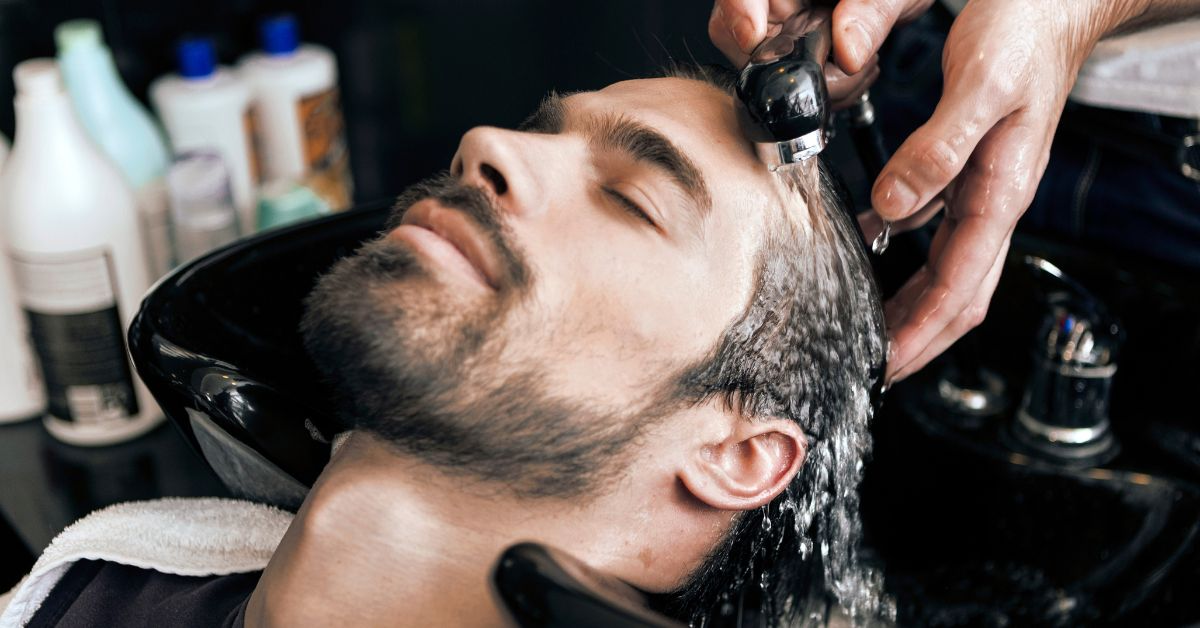
You wash your hair and it still feels coated, heavy, and wrong. That is the waxy hair problem, and it is more common than most men expect. Knowing how to get rid of waxy hair after washing is not just about switching shampoos. It is about understanding what is actually sitting on your hair and why your current routine is not removing it.
Waxy hair after washing is caused by product buildup, excess sebum, hard water mineral deposits, or incorrect washing technique. To get rid of it, you need a clarifying wash, proper scalp massage technique, thorough rinsing, and the right products for your hair type. Left untreated, waxy buildup blocks moisture from reaching the hair shaft and slows healthy growth.
At HQ Barbershop in Dallas, our Hair Washing service is designed to deep cleanse the scalp and remove exactly this kind of stubborn buildup, using professional technique that home washing rarely matches.
In this blog, we’ll cover every cause of waxy hair, the exact fixes that work, and when a professional wash is the right call.
What Is Waxy Hair and Why Does It Happen After Washing
Waxy hair is not just dirty hair. It is hair that has a film, coating, or residue sitting on the hair shaft or scalp that normal washing did not remove. That film changes how the hair feels, how it moves, and how it looks. It feels sticky or heavy when dry. It looks dull rather than clean. And no amount of additional washing with the same products removes it, because the same products are often part of what created it.
The science behind it is straightforward. Hair is made of keratin, a structural protein. The outer layer, the hair cuticle, is made of overlapping scales. When those scales are smooth and lying flat, hair feels soft and clean. When they are coated with residue, lifted, or damaged, the hair feels rough, waxy, or sticky.
The Role of Sebum in Waxy Hair

Sebum is the natural oil produced by the sebaceous glands in the scalp. It exists for a reason. Sebum lubricates the hair shaft, protects the scalp from dryness, and maintains the skin barrier.
The problem starts when the scalp produces too much of it. Excess sebum travels down the hair shaft and accumulates, particularly at the roots. Combined with product residue and environmental debris, it creates the coating that makes hair feel waxy even after washing.
If you are wondering how to get rid of waxy hair after washing, washing too often can actually make this worse. When we strip the scalp of sebum repeatedly with harsh shampoos, the scalp compensates by producing more. That response is called sebum rebound, and it is one of the most common reasons men find their hair feels oilier and waxier the more frequently they wash.
How Product Residue Builds Up Over Time
Every styling product leaves something behind. Wax-based pomades leave wax. Silicone serums leave silicone. Heavy conditioners leave coating agents. Dry shampoo leaves starch and absorbing agents.
Each individual product application might leave a microscopic amount. But over days and weeks of daily use without a proper deep cleanse, these residues layer on top of each other. The hair shaft ends up coated in a mixture of product remnants, sebum, dead skin cells, and environmental pollutants like dust and smoke.
If you are wondering how to get rid of waxy hair after washing, standard shampoos are not formulated to cut through this kind of accumulated buildup. They cleanse daily dirt and fresh sebum effectively. They do not dissolve wax-based residue or silicone coatings without specific clarifying ingredients.
Hard Water and Mineral Deposits on Hair
The United States Geological Survey reports that hard water affects approximately 85 percent of American homes. Dallas, TX sits in a region with notably hard water. This matters for hair because hard water contains elevated levels of calcium and magnesium minerals.
These minerals do not rinse away cleanly. They bind to the hair cuticle and accumulate with each wash. The result is a mineral film over the hair that makes it feel rough, dull, and waxy despite washing correctly and using good products. This is why some men find that their hair felt fine when they travelled somewhere with softer water but returns to feeling waxy the moment they are back home.
The 4 Most Common Causes of Waxy Hair After Washing
Silicones and Wax-Based Ingredients in Products
Check the ingredient list on your conditioner, serum, or leave-in treatment. If you see any of the following, you are applying a product that coats the hair with a film that standard shampoo struggles to remove.
- Dimethicone or any ingredient ending in “-cone” builds a flexible film over each strand that resists standard shampoo.
- Cyclomethicone behaves similarly and is common in serums marketed for shine.
- Beeswax, carnauba wax, or paraffin are common in matte pomades and clays, and are the hardest residues to clear with a daily shampoo.
- Mineral oil or petrolatum coats the hair shaft and blocks moisture from getting through if it builds up.
These ingredients are not inherently harmful. They provide slip, shine, and manageability. But they require a proper cleansing shampoo to remove fully. Using them daily without a clarifying wash builds up residue that eventually makes the hair feel permanently coated.
Wrong Shampoo for Your Hair Type

Not every shampoo cleanses effectively for every hair type. A moisturising shampoo designed for dry or curly hair contains ingredients that coat the hair to add hydration. On oily or fine hair, those same ingredients contribute to the waxy feeling rather than relieving it.
Men who use heavy-hold styling products daily need a shampoo with enough cleansing power to remove those products. A gentle, low-sulfate moisturising shampoo does not have that power. The product residue stays on the hair after washing.
Insufficient Rinsing Technique
This is the most underestimated cause of waxy hair. Most people spend fifteen to twenty seconds rinsing shampoo or conditioner. That is not enough.
Shampoo needs at least thirty to forty-five seconds of thorough rinsing to clear the lather completely. Conditioner, which is heavier and sticks to the hair more readily, needs a full sixty seconds of rinsing with particular attention to the mid-lengths and ends. Any residue left behind, no matter how small, contributes to the waxy feeling as it dries.
Washing Frequency Problems
Two opposite washing frequency mistakes produce the same waxy result.
Washing too infrequently allows sebum, product, dead skin cells, and environmental debris to accumulate unchecked. By the time we wash, a single shampoo cannot clear the volume of buildup that has developed.
Washing too frequently triggers the sebum rebound effect described above. The scalp overproduces oil to compensate for constant stripping. The hair ends up oilier and waxier between washes than it would with a less aggressive schedule.
For most men, washing every two to three days is the right frequency. Men who use heavy styling products daily may need to wash every one to two days, but with a gentle formula that does not strip aggressively.
How to Get Rid of Waxy Hair After Washing: Step-by-Step Fixes

This is the core of the guide. These are the specific, practical steps that address how to get rid of waxy hair after washing for most men. Follow them in order for the best result.
Use a Clarifying Shampoo the Right Way
A clarifying shampoo is a deep-cleansing formula designed to dissolve product buildup, remove mineral deposits, and strip accumulated residue that regular shampoos cannot clear.
The key ingredient to look for is citric acid, sodium lauryl sulfate in a clarifying context, or EDTA, which specifically chelates and removes mineral deposits from hard water.
Use clarifying shampoo once a week at most. More frequent use strips the scalp too aggressively and triggers sebum rebound. Apply directly to the scalp and wet hair, work into a thorough lather, and leave it on for two to three minutes before rinsing.
Always follow with a lightweight conditioner applied to the mid-lengths and ends only. Never apply conditioner to the scalp after a clarifying wash.
The Double Cleanse Method
The double cleanse method is the most effective technique for clearing heavy buildup, particularly for men who use wax-based pomades or heavy clays daily.
First wash: apply shampoo to dry or slightly wet hair. Work it through the hair and scalp. The first lather will not produce many bubbles. That is normal. It is picking up the oil and product layer.
The first wash breaks down the buildup. The second wash actually cleanses. Men who have never double cleansed notice an immediate difference on the first attempt.
Scalp Massage Technique That Actually Works
How we work the shampoo through our hair matters as much as which shampoo we use.
Use the pads of your fingers, not your nails. Nails irritate the scalp and cause micro-abrasions that make things worse. Work the shampoo in circular motions across the entire scalp surface, moving from the front hairline to the nape in overlapping sections. Spend at least sixty seconds on this massage.
The massage does two things. First, it mechanically dislodges buildup that has adhered to the scalp surface. Second, it stimulates circulation, which supports the scalp’s natural oil balance over time.
Natural Remedies to Remove Waxy Hair Buildup at Home
These remedies work alongside a clarifying routine. They are not replacements for clarifying shampoo, but they can accelerate the process and maintain results between clarifying washes.
Apple Cider Vinegar Rinse
Apple cider vinegar (ACV) is mildly acidic with a pH of around 3. The hair cuticle responds well to acidic treatment. It flattens and seals, which removes the rough, waxy texture that lifted cuticles create.
Mix one part ACV with three parts water. After shampooing, pour the mixture over the hair and work it into the scalp. Leave for two to three minutes. Rinse thoroughly with cool water.
Baking Soda Wash
Baking soda is alkaline and can break down certain types of product buildup, particularly wax and oil-based residues.
Mix one tablespoon of baking soda with one cup of water. Apply to the scalp, massage gently, and leave for one to two minutes before rinsing.
When Natural Remedies Are Not Enough
If we have used clarifying shampoo weekly, double cleansed, and tried ACV rinses for three to four weeks without significant improvement, the buildup is either too deep or has an underlying cause beyond product and mineral residue.
Causes that do not respond to home remedies include seborrhoeic dermatitis, which is a scalp condition involving overproduction of sebum linked to yeast overgrowth, scalp psoriasis, and hormonal imbalances affecting sebaceous gland activity. These need professional assessment, either from a dermatologist or a scalp-specialist barbershop.
How to Prevent Waxy Hair Buildup Going Forward
Fixing the waxy hair is the first step. Preventing it from returning is what most guides miss.
How Often Should Men Wash Their Hair
There is no single answer that suits every man. The right frequency depends on hair type, scalp oil production, and product use.
| Scalp Type | Daily Wash | Clarifying Wash |
| Oily scalp or daily product use | Every 1-2 days, gentle formula | Once a week |
| Normal scalp, moderate product use | Every 2-3 days | Every 7-10 days |
| Dry scalp or minimal product use | Every 3-4 days | Every 2 weeks |
The goal is keeping sebum and product from building up without stripping the scalp so aggressively that it overproduces oil in response.
Keeping Your Styling Tools Clean
Brushes, combs, and hair towels collect sebum, product residue, and dead skin cells every time they contact the hair. Using a dirty brush on freshly washed hair transfers that residue back onto the clean scalp immediately.
Clean your brush and comb once a week. Remove trapped hair first, then soak in warm soapy water for five minutes and rinse. Wash your hair towel every three to four uses. These habits directly reduce how quickly buildup returns after a clarifying wash.
Waxy Hair by Hair Type: What Works for Each
| Hair Type | Wash Frequency | Key Notes |
| Straight and fine | Every 1-2 days | Most prone to buildup. Use lightweight shampoo, clarify every 5-7 days, avoid heavy leave-ins. |
| Wavy and curly | Every 2-3 days | Buildup concentrates at scalp. Use sulphate-free clarifying shampoo, avoid baking soda. |
| Coarse and thick | Section during wash | Buildup traps between strands. Double cleanse after heavy styling, ACV rinse helps smooth cuticle. |
Fine, straight hair is the most susceptible to waxy buildup. The hair shaft is smooth and straight, which means sebum travels from the scalp down the length rapidly without the friction that curly hair creates.
Wavy and curly hair is more resistant to sebum travel down the shaft because the curves and bends create friction. Buildup tends to concentrate at the scalp rather than travelling the full length.
Coarse, thick hair holds product residue in the mid-lengths and ends as well as at the scalp. The density of the hair traps buildup between strands.
When Home Fixes Are Not Working: The Case for a Professional Hair Wash
A professional hair wash is a different experience from washing at home. Not because the water is different. Because the technique, the products, and the assessment are different.
We assess the scalp directly, identify where buildup is concentrated, determine whether the cause is product residue, mineral deposit, or a scalp condition, and apply the appropriate treatment accordingly. And we use professional-grade clarifying treatments that are stronger and more targeted than retail products. We also apply a conditioning treatment after the deep cleanse to restore moisture balance to the hair and scalp.
Our scalp massage technique goes further than most men apply at home. We cover every section of the scalp systematically and apply the right pressure to dislodge buildup without irritating the skin.
At HQ Barbershop in Dallas, our Hair Washing service is exactly this. A professional deep cleanse that removes stubborn buildup, rebalances the scalp, and leaves the hair feeling genuinely clean, often for the first time in weeks for men dealing with persistent waxy buildup. Our TDLR-licensed barbers are at 3527 Oak Lawn Avenue, Dallas, Monday through Sunday. Find us on Google Maps and swing by.
FAQs: How to Get Rid of Waxy Hair After Washing
Why does my hair feel waxy even after washing it?
Waxy hair after washing is caused by product buildup from styling products containing wax, silicone, or heavy oils that standard shampoo cannot remove, excess sebum production from the scalp, hard water mineral deposits, or insufficient rinsing technique. Washing with the wrong shampoo for your hair type can also leave residue behind that creates the waxy feeling.
How do I get rid of waxy buildup in my hair fast?
The fastest fix is a clarifying shampoo used with the double cleanse method. Apply shampoo to dry or slightly damp hair first, rinse, then shampoo again. Leave the clarifying shampoo on for two to three minutes before rinsing with warm water, then finish with a cool water rinse. Follow with a lightweight conditioner on the mid-lengths and ends only.
Does clarifying shampoo fix waxy hair?
Yes, for most causes of waxy hair. Clarifying shampoo removes product buildup, dissolves wax and silicone residue, and strips accumulated sebum. It does not fully address hard water mineral deposits on its own, which is where a chelating shampoo with EDTA, or an apple cider vinegar rinse after the clarifying wash, makes a significant difference.
Can hard water cause waxy hair after washing?
Yes. Hard water contains calcium and magnesium minerals that bind to the hair cuticle with each wash. These mineral deposits create a film over the hair that makes it feel waxy, rough, and dull even when it is technically clean. An apple cider vinegar rinse once a week helps dissolve these deposits.
How often should men wash their hair to prevent waxy buildup?
Every two to three days for most men. Men who use heavy styling products daily should wash every one to two days with a gentle shampoo and add a clarifying wash once a week. Washing too frequently strips the scalp and triggers overproduction of sebum, which makes the waxy feeling worse rather than better.
Ready for Hair That Actually Feels Clean?
Waxy hair after washing is frustrating precisely because the solution seems obvious but does not work. We wash it. It still feels wrong. The fix is not washing more. It is washing correctly, with the right products, the right technique, and the right frequency for your hair type.
Identify the cause. Use a clarifying shampoo weekly. Double cleanse after heavy product use. Rinse thoroughly with warm water and finish cool. Apply conditioner only to the mid-lengths and ends. And clean your styling tools.
At HQ Barbershop in Dallas, our Hair Washing service takes care of the deep cleanse professionally when home washing is not clearing the buildup. We assess the scalp, identify the type of buildup, and apply the right treatment. TDLR-licensed, located at 3527 Oak Lawn Avenue, open Monday through Sunday.