July 19, 2026
Most men shampoo their hair every single day and wonder why it feels dry, brittle, and stripped by Friday. So can I wash my hair with conditioner only? It is a fair question, and more men ask it than you might expect.
Yes, you can wash your hair with conditioner only. This method, called co-washing, skips shampoo and uses conditioner to gently cleanse while preserving your hair’s natural oils. It works best for men with dry, thick, or coily hair, but it carries real risks for oily or fine hair types.
The co-washing trend has exploded over the past few years, driven by the natural hair movement and growing awareness that harsh sulphates strip moisture faster than your scalp can replace it.
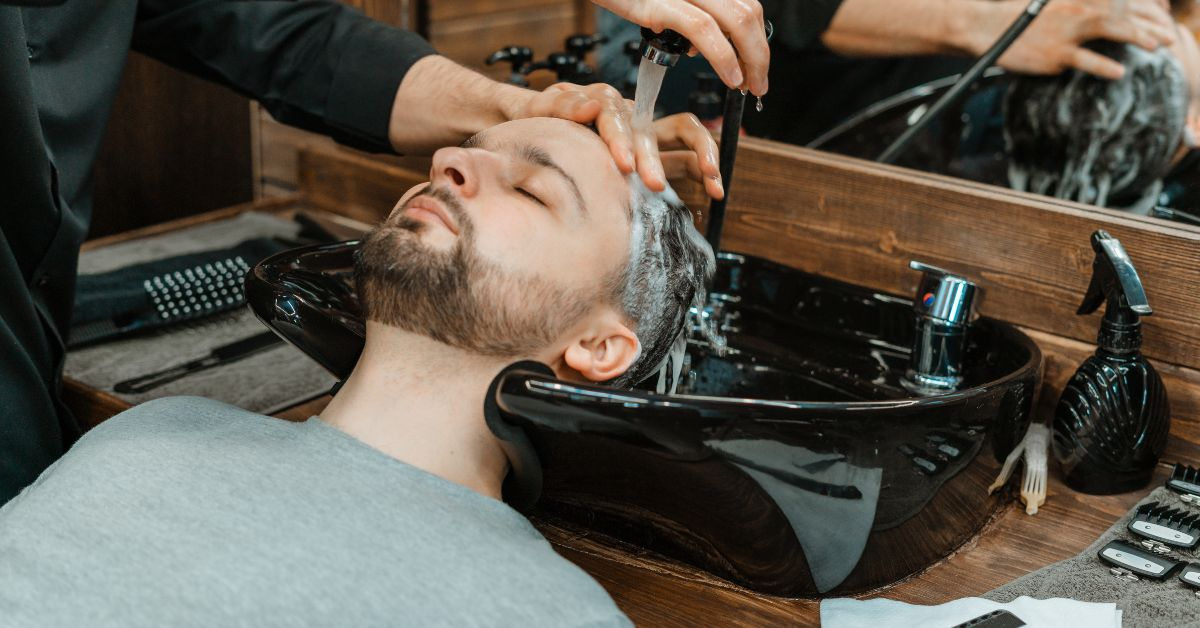
HQ Barbershop offers a professional hair washing service in Dallas that deep cleanses, hydrates, and rebalances your scalp using products formulated for men. We see the effects of both overwashing and underwashing every day in the chair.
In this blog, we’ll break down how conditioner-only washing actually works, which hair types benefit from it, the risks most guides skip over, and when a professional cleanse beats any at-home method.
What Does Washing Hair With Conditioner Only Actually Mean?

Before you ditch your shampoo bottle, you need to understand what is actually happening on your scalp when you wash. Shampoo and conditioner do two completely different jobs. Mixing them up, or cutting one out entirely, changes the chemistry of your hair in ways most men never think about.
How Shampoo and Conditioner Work Differently
Shampoo contains surfactants, chemicals that bind to oil, dirt, and product residue on your scalp and hair. When you rinse, the surfactants carry those impurities away with the water. That is why your hair feels “squeaky clean” after shampooing.
The conditioner works the opposite way. Instead of removing anything, it deposits. The formula contains emollients (oils and fatty alcohols that coat the hair shaft), humectants (ingredients like glycerin that pull moisture from the air into your hair), and proteins that temporarily fill in damaged spots along the cuticle. Conditioner smooths. It softens. But it does not clean.
That distinction matters. When someone asks “can I wash my hair with conditioner only,” they are really asking whether conditioner can do both jobs at once. The honest answer is: partially, and only for certain hair types.
What Is Co-Washing?

Co-washing is short for “conditioner-only washing.” The concept started in the natural hair community around 2010, primarily among women with curly, coily, and textured hair who found that traditional shampoo dried out their strands and destroyed curl definition.
The idea is simple. You skip shampoo entirely, apply a generous amount of conditioner to wet hair, massage it into the scalp with your fingertips, and rinse. The gentle friction from your fingers combined with the conditioning agents loosens light dirt and oil without the harsh stripping effect of surfactants.
It caught on fast. By 2020, major haircare brands had launched dedicated co-wash products. These are not regular conditioners. They are cleansing conditioners, formulated with mild surfactants that provide light cleansing power alongside the moisture. We will cover the difference between regular conditioner and cleansing conditioners later in this guide.
Can Men Wash Their Hair With Conditioner Only?
Here is where most online guides fall short. Almost everything written about co-washing targets women with long, curly hair. Men’s grooming needs are different, and the advice does not transfer directly.
Why Men’s Hair and Scalp Are Different
Men’s scalps produce significantly more sebum (natural oil) than women’s scalps. The American Academy of Dermatology confirms that male skin, including the scalp, is roughly 25% thicker and generates more oil due to higher testosterone levels. More oil means more buildup. And buildup is the biggest risk of conditioner-only washing.
Then there is the product factor. Most women who co-wash use lightweight leave-in sprays and curl creams. Most men use pomade, clay, wax, or matte paste, products designed to hold shape all day. These sit heavy on the hair and scalp. Regular conditioners do not have the cleansing power to remove them.
We see it every week at the shop. A client sits down, and before we even start cutting, we can feel the waxy layer coating his hair from days of styling products that his shampoo barely touched, let alone conditioner alone.
Short Hair vs. Long Hair and Co-Washing
Hair length changes the equation completely.
Men with longer hair (4+ inches on top) lose more moisture along the hair shaft because sebum has further to travel from the root. Co-washing helps these men retain oils and keep strands hydrated, especially if the hair is thick or wavy.
Men with short hair, fades, crops, buzz cuts, lose almost no moisture along the strand. Their problem is different. Oil and product residue concentrate near the scalp, sitting directly on the follicles. The conditioner adds another layer on top of that instead of removing it. For most short-haired men, regular shampoo two to three times a week does the job better than co-washing ever will.
Benefits of Washing Hair With Conditioner Only

Co-washing is not for everyone. But for men whose hair suits it, the benefits are real. Here is what actually improves when you cut shampoo from your routine.
Keeps Natural Oils Intact
Your scalp produces sebum for a reason. It waterproofs the hair shaft, reduces friction between strands, adds natural shine, and protects the cuticle from environmental damage. Every time you shampoo, you strip a portion of that protective layer. Your scalp then overcompensates by producing even more oil, which is why some men feel greasy again within 12 hours of washing.
Co-washing breaks that cycle. By cleaning gently without stripping, your scalp gradually produces less excess oil because it no longer needs to replace what shampoo took away. Most men who suit this method notice their hair feels balanced, not greasy or dry, after about three to four weeks.
Reduces Dryness and Breakage
Conditioner coats the cuticle, the outermost layer of each hair strand, smoothing down the tiny scales that make up its surface. When those scales lie flat, hair feels softer, detangles easier, and resists breakage from brushing, towel-drying, or wind. Men who live in dry climates or wash daily with harsh shampoo often notice reduced breakage within the first two weeks of switching to co-washing.
Pairing a co-wash routine with a periodic professional hair washing service in Dallas gives you the best of both worlds. Moisture retention at home, deep cleansing when you need it.
Better for Colour-Treated Hair
If you colour your hair, every shampoo accelerates fading. Sulphates in traditional shampoo open the cuticle and allow colour molecules to escape with each wash. Co-washing skips sulphates entirely, keeping the cuticle sealed and your colour vibrant for longer.
We see this with clients who get colour work done at our shop. The ones who shampoo daily come back in three weeks complaining about dullness. The ones who alternate between co-washing and gentle shampoo hold their colour noticeably longer. If you want to understand how different treatments affect coloured hair, our guide on does hair colour damage hair breaks it down in detail.
Risks and Downsides of Conditioner-Only Washing

Now for the part most blogs skip. Co-washing has real downsides, and for certain men, it creates more problems than it solves.
Product Buildup and Clogged Pores
The conditioner deposits ingredients onto hair. That is literally its job. When you use it as your only wash method, those deposits stack. Layer after layer. Week after week.
Silicone-based conditioners are the worst offenders. Silicones like dimethicone and cyclomethicone coat the hair shaft in a waterproof film that feels smooth but traps everything underneath. Dirt, sweat, old oil, styling residue. The silicone seal traps all of it because water cannot penetrate the coating to rinse it out.
Scalp Issues Men Should Watch For
A clogged scalp is not just a cosmetic problem. It can become a health issue.
Seborrheic dermatitis (dandruff), folliculitis (inflamed hair follicles), and persistent itching can all develop when the scalp does not get properly cleansed over time. Men are more prone to these conditions because of higher oil output.
If you notice flaking, redness, bumps around the hairline, or your scalp starts to smell even after co-washing, your scalp is telling you it needs actual cleansing. Listen to it.
When Co-Washing Makes Things Worse
If you have oily hair that looks greasy by the end of the day, conditioner-only washing amplifies the issue. If your hair is fine or thin, the conditioner weighs it down and strips any volume you have. And if you live in a hot, humid climate like Dallas, where sweat and environmental grime hit your scalp hard from April through October, your hair needs real cleansing power that conditioner alone cannot provide.
Men who use heavy styling products daily also fall into this category. Pomade and wax need surfactants to break down. The conditioner does not contain them. So if you are still wondering can I wash my hair with conditioner only while using heavy hold products, the answer for you is no.
Which Hair Types Can Wash With Conditioner Only?

Not sure where your hair falls? Here is a quick breakdown.
Dry and Coarse Hair
This is the sweet spot for co-washing. Dry, coarse hair lacks natural moisture and benefits enormously from the extra hydration conditioner provides. Men with this hair type often find that shampoo makes things worse, leaving hair rough and straw-like. Co-washing two to three times a week, with a clarifying shampoo once every ten days, usually delivers the best results.
Curly and Coily Hair
Strong candidate. Curly and coily hair loses moisture faster because the twists and turns of each strand prevent sebum from travelling down the shaft evenly. Co-washing preserves curl definition, reduces frizz, and keeps the hair hydrated between proper wash days. Most men with this texture see a noticeable improvement within two to three weeks.
Oily and Fine Hair
Poor candidate. There is no gentle way to say this.
Fine hair and oily scalps need the cleansing power of shampoo. Conditioner sits on fine strands like a wet blanket, dragging them flat against the scalp and making hair look thinner than it actually is. Oil production stays high because the conditioner never removes the excess. If this is your hair type, stick with a gentle, sulphate-free shampoo and use conditioner on the ends only.
Normal Hair
If your hair is not particularly oily or dry, you have options. A hybrid routine works well. Co-wash twice a week, shampoo once, and skip product entirely on the remaining days. This gives your scalp a break from stripping without letting buildup accumulate.
How to Co-Wash Your Hair the Right Way (Step by Step)
If your hair type suits co-washing, technique matters more than most men expect. Doing it wrong gives you greasy, limp hair. Doing it right gives you clean, hydrated, easy-to-style hair.
Choose the Right Conditioner
Grab your current conditioner and flip it over. Look at the ingredients. If you see dimethicone, amodimethicone, cyclomethicone, or any word ending in -cone, put it back. Silicone-based conditioners cause the exact buildup co-washing tries to avoid. You want a silicone-free, sulphate-free conditioner. Look for ingredients like shea butter, coconut oil, glycerin, and aloe vera instead.
You do not need an expensive product. Some of the best co-wash conditioners cost under $10. What matters is the formula, not the label.
The 5-Minute Co-Wash Method for Men
Wet your hair thoroughly with warm (not hot) water. Hot water opens the cuticle too aggressively and increases moisture loss. Apply a generous amount of silicone-free conditioner directly to your scalp. More than you think you need. Use your fingertips, not your nails, and massage in firm circular motions for three to five minutes. This friction does the actual cleaning, loosening dirt, oil, and light product residue.
That is the whole process. No shampoo. No second product. Just conditioner, fingers, and water. If you came here asking can I wash my hair with conditioner only, this five-minute method is exactly how you do it.
How Often Should You Co-Wash?
Every seven to ten days, use a clarifying shampoo to strip any residual buildup. This reset prevents the gradual layering effect that causes problems over time. Think of it as a deep clean that keeps the co-washing cycle working properly.
If you want a detailed breakdown of washing frequency by hair type, scalp condition, and lifestyle, we covered it thoroughly in our guide on how often men should wash their hair. That post pairs directly with this one.
And every four to six weeks, consider booking a professional hair washing service to give your scalp a proper reset that no at-home routine can match.
Co-Wash vs. Shampoo vs. Cleansing Conditioner
Men who ask can I wash my hair with conditioner only usually do not realise there is a third option sitting between co-washing and traditional shampoo. Three methods. Three different results. Here is how they stack up.
Comparison Table
| Co-Wash (Conditioner Only) | Traditional Shampoo | Cleansing Conditioner | |
| Cleansing Strength | Low. Relies on friction, not surfactants | High. Surfactants strip oil, dirt, and product | Medium. Mild surfactants with conditioning agents |
| Moisture Level | High. Deposits oils and humectants | Low. Strips natural oils | Medium-High. Cleanses without fully stripping |
| Best Hair Type | Dry, coarse, curly, coily | Oily, fine, normal, short styles | All types, especially damaged or colour-treated |
| Recommended Frequency | 2-3 times per week | 2-4 times per week depending on hair type | 2-3 times per week |
| Buildup Risk | High if using silicone-based products | Low. Removes buildup effectively | Low-Medium. Better than pure conditioner |
| Removes Styling Products | Poorly. Cannot break down pomade, wax, or clay | Very well. Designed for this purpose | Moderately. Handles light products only |
The middle ground? Cleansing conditioners. These hybrid products contain just enough surfactant to provide light cleansing while still depositing moisture. For men who want the benefits of co-washing without the buildup risk, a cleansing conditioner is often the smarter choice.
When You Need a Professional Hair Wash Instead
Sometimes your scalp needs more than what your shower can deliver. A professional hair wash uses better products, proper technique, and targeted scalp treatment that goes beyond surface-level cleansing.
Before a Haircut
Clean hair gives your barber a better canvas. Every experienced barber knows this.
When your hair carries days of product buildup, oil, and conditioner residue, it changes how the hair sits, how it moves, and how it responds to scissors and clippers. A professional wash before your haircut in Dallas removes all of that, letting your barber see your true hair texture, natural fall, and growth patterns.
We wrote a full guide on should I wash my hair before a haircut that covers timing, technique, and what to avoid. If you are booking a cut soon, it is worth reading.
After Heavy Product Use
That coating is product residue that your at-home shampoo only partially removed. Layer by layer, it built up until your hair stopped behaving normally. A professional wash uses concentrated cleansing formulas and proper scalp massage technique to strip that residue completely. Your hair feels like it did before you started using product. Clean slate.
Scalp Health Maintenance
Our professional wash includes scalp treatment, targeted dandruff reduction, and deep hydration that addresses dryness, irritation, and clogged follicles from the root. For men dealing with persistent itching or flaking, this goes beyond what any shampoo or conditioner can do at home.
Pair it with a men’s facial and massage and you cover both your scalp and your face in one visit. Many of our clients in Oak Lawn and Uptown Dallas book both together.
Frequently Asked Questions
Does washing hair with conditioner only cause hair loss?
No direct evidence links co-washing to hair loss. But prolonged buildup from conditioner-only washing can clog follicles, weaken the hair root, and increase shedding over time. Men with oily scalps face this risk more than others. Periodic clarifying washes reduce the danger significantly.
Can I co-wash my hair every day?
Not recommended. Even conditioner-only washing creates buildup when done daily. Two to three times per week suits most men. On off days, rinse with water only and let your scalp breathe.
Is co-washing good for men with short hair?
Generally no. Short hair (fades, buzz cuts, crew cuts) does not lose moisture along the strand the way long hair does, so the main benefit of co-washing does not apply. Product residue also sits closer to the scalp on short styles, increasing the risk of clogged pores.
What happens if I stop using shampoo completely?
Expect a transition period of two to four weeks. Your hair may feel greasy or heavy while your scalp adjusts its oil production. After that, most men notice a natural balance. But even committed co-washers should use a clarifying shampoo every seven to ten days to prevent long-term buildup.
Can conditioners remove styling products like pomade or wax?
No. Regular conditioners lacks the surfactants needed to break down heavy styling products. Pomade, wax, and strong-hold clay require proper shampooing or a professional hair wash to remove fully. If you style daily, co-washing alone will not keep your scalp clean.
Get the Right Wash for Your Hair at HQ Barbershop
Can I wash my hair with conditioner only? For the right hair type, yes. For the wrong one, it creates more problems than it solves. The key is knowing your hair, choosing the right products, and pairing your at-home routine with a professional deep cleanse when your scalp needs a proper reset.
Your hair puts up with a lot. Sun, sweat, product, hard water, daily friction. Give it the care it actually needs, not just the care that sounds trendy.
HQ Barbershop delivers a professional hair washing service in Dallas that deep cleanses, treats the scalp, and rebalances moisture using premium products formulated for men’s hair. book our Hair washing or visit us through our Google Business Profile and let us create a fade that suits you from every angle.
Stop guessing. Start with a clean scalp. Book Your Hair Wash at HQ Barbershop