June 8, 2026
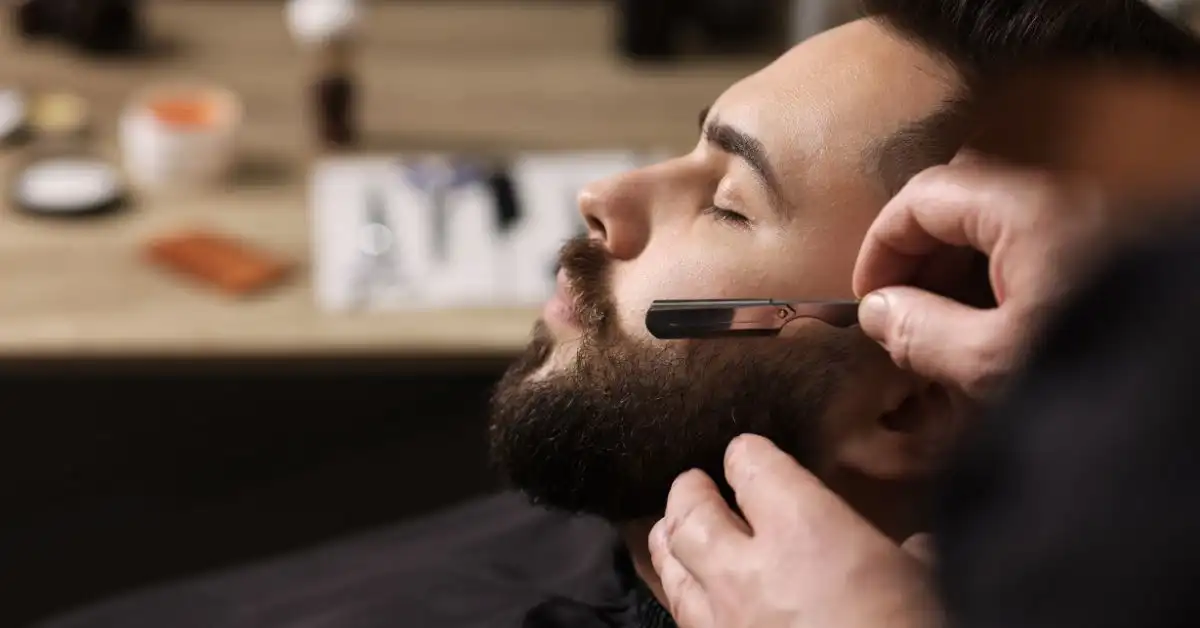
Seven out of ten men who shave at home report regular irritation, razor burn, or patchy results. And most of them have never changed a single thing about their technique. If you have been searching for how to get the closest shave face without the redness, the missed patches, or the discomfort that follows, the answer is not a better razor. It is a better method.
To get the closest shave on your face, you need to prepare the skin with warm water or a hot towel, apply a quality pre-shave oil and lather, shave with the grain first using short controlled strokes, and finish with a soothing post-shave balm. Done in the correct order, this process removes hair at the skin surface, prevents irritation, and leaves the face smooth and clean.
Shaving technique matters more in 2026 than ever. Men are paying closer attention to skin health, and a poor shave does visible damage, from ingrown hairs and razor bumps to dry, irritated skin that ages faster than it should.
At HQ Barbershop in Dallas, we deliver precision Face Shave in Dallas using hot towels, premium lather, and straight razor technique for results that home shaving rarely matches. In this blog, we’ll walk you through every step of how to get the closest shave on your face, from preparation to aftercare, plus the tools you need, mistakes to avoid, and when it is worth leaving it to a professional.
Why Most Home Shaves Fall Short
The problem is almost never the razor. Most men blame their blades when the real issue is what happens before the razor touches the face.
Dry skin. No pre-shave prep. The wrong angle. One pass and done. These four habits guarantee irritation and uneven results, no matter how expensive the razor is.
Shaving without proper preparation forces the blade to drag across the skin rather than glide. That drag lifts the skin slightly before cutting the hair, causing micro-tears that result in redness, razor burn, and ingrown hairs. According to the American Academy of Dermatology, most shaving-related skin irritation comes from insufficient skin and hair preparation before the razor makes contact, not from the razor itself.
And here is the thing. The closest shave does not come from pressing harder or going over the same area repeatedly. It comes from proper setup, the right technique, and a clean finish.
The Right Tools for a Close Face Shave
Before we get into technique, the tools matter. You do not need a drawer full of products, but the wrong tools will undo even the best technique.
Razor Choice: Cartridge, Safety, or Straight Razor
Cartridge razors are the most common. They are convenient and easy to use, but the multiple blades can trap bacteria, cause drag on shorter stubble, and contribute to ingrown hairs, especially on coarser or curly facial hair.
Safety razors use a single, sharp double-edged blade. They require more technique, but they deliver a closer, cleaner shave with less skin irritation for most men. A single sharp blade cuts cleanly rather than scraping.
Straight razors give the closest possible shave. They take real skill to use safely, which is why professional barbers use them. The blade angle, pressure, and stroke speed all have to be right. One pass from a skilled barber with a straight razor beats any cartridge result.
Whatever razor you choose, change or replace the blade regularly. A dull blade is the single fastest way to cause razor burn and missed hairs. Most experts recommend replacing cartridge blades after five to seven uses.
Pre-Shave Oil
Pre-shave oil sits between your skin and the lather. It creates a protective barrier that lets the blade glide rather than drag. A few drops on damp skin before applying shaving cream makes a significant difference, particularly for men with sensitive skin or thick, coarse facial hair.
Shaving Cream or Soap
Canned shaving foam is convenient. It is also one of the worst options for a close shave. Most aerosol foams contain alcohol and propellant gases that dry the skin and reduce blade glide.
A quality shaving cream or shaving soap, worked into a lather with a shaving brush, lifts and coats individual hairs, holds moisture against the skin, and provides a far better cushion for the blade. This alone can transform the quality of a home shave.
Shaving Brush
A good shaving brush does two things. First, it works the lather into the beard hair and lifts the hairs away from the skin before the blade arrives. Second, it provides gentle exfoliation across the face, which reduces ingrown hairs and preps the skin surface.
Badger hair brushes hold the most water and produce the richest lather. Synthetic brushes are a solid alternative and work well for most men.
Post-Shave Balm
Aftershave cologne is not a substitute for post-shave balm. Alcohol-based aftershaves sting and dry the skin. A post-shave balm or lotion soothes irritation, hydrates the skin, and closes the pores after shaving. It is not optional if you want smooth skin after the shave.
How to Prepare Your Face for the Closest Shave
Preparation is where most men skip steps. It is also where most of the improvement comes from.
Cleanse the Face First
Start by washing your face with a gentle facial cleanser. This removes oil, dirt, and dead skin cells from the surface. Shaving over dirty or oily skin increases blade drag and the chance of bacteria entering any small nicks.
A simple face wash before shaving takes sixty seconds. The difference in smoothness is immediate.
Use Warm Water or a Hot Towel
This is the step that barbershops use that most men do not replicate at home. Warm water softens the facial hair and opens the pores. Softer hair requires less force to cut, which means the blade glides rather than drags.
Spend at least two to three minutes with a warm, damp cloth pressed against the shaving area before you pick up the razor. If you shave after a warm shower, the skin preparation is already done. Our guide on should I shave my face before or after shower covers this in detail.
Apply Pre-Shave Oil
With the skin still slightly damp from the warm towel or shower, apply two to three drops of pre-shave oil and work it into the skin with your fingertips. Let it sit for thirty seconds before you apply lather.
Pre-shave oil is not well-known outside professional barbering circles. But it solves the single most common complaint men have about home shaving: the pulling, tugging sensation of the blade.
Build a Proper Lather
Wet your shaving brush in warm water. Shake out the excess. Work the brush in circular motions over a quality shaving cream or soap until you have a thick, glossy lather.
Apply the lather to the face in circular motions using the brush. This coats and lifts the hair, preparing it for the blade. The lather should be wet and dense, not dry or fluffy.
How to Get the Closest Shave Face: Step-by-Step Technique
This is the core of how to get the closest shave on your face. The order matters. The angle matters. The pressure matters.
Step 1: Shave With the Grain First
Always start your first pass shaving with the grain, meaning in the direction your facial hair grows.
Face Shaving against the grain immediately on the first pass causes the blade to catch on unprepared hair and lift the skin before cutting. This is the primary cause of razor bumps and ingrown hairs, particularly for men with curly or coarse facial hair.
Short, controlled strokes work better than long sweeping ones. Use strokes of about two to three centimetres. Rinse the blade after every two to three strokes to keep it clean and sharp.
Light pressure. The blade should glide, not press. If you are pressing the razor into your skin, you are using too much force.
Step 2: Reapply Lather and Shave Across the Grain
After the first pass, rinse the face with warm water and reapply fresh lather. Now make a second pass across the grain, at roughly a right angle to the direction of growth.
This second pass catches hairs that the first pass missed or only partially cut. It brings you significantly closer to a smooth result without the irritation risk of going directly against the grain.
The same rules apply: short strokes, light pressure, rinse the blade frequently.
Step 3: Optional Third Pass Against the Grain
For men who want the absolute closest result and have skin that handles it well, a third pass against the grain can follow.
This should only happen after the first two passes have already removed the bulk of the hair. And only if you have properly prepared the skin. Going against the grain on unprepared skin is how razor bumps start.
Men with sensitive skin or those prone to ingrown hairs should stop after two passes. A two-pass shave with good preparation still produces a significantly smoother result than a rushed one-pass shave.
Step 4: The Tricky Areas
The neck, the jawline under the ear, and the area just above the upper lip all need extra care.
The neck has the most variable grain direction on the face. Many men have a point where the hair on the neck grows in multiple directions. Shave this area in shorter, more deliberate strokes and pay attention to grain direction changes.
The jawline requires the blade to follow the curve of the bone. Do not flatten the skin here. Let the razor follow the contour naturally.
Under the nose requires a smaller stroke. Stretch the upper lip slightly downward to create a flat surface and use very short strokes.
Step 5: Rinse and Check
Rinse the face with cool water after the final pass. Cool water closes the pores and brings any areas of tightness or irritation to attention.
Run your fingertips against the grain across the shaved area. If you feel roughness, apply a small amount of fresh lather and make one targeted additional pass on that specific area only.
The Best Time to Shave Your Face for the Closest Result
Timing affects face shave quality more than most men realise.
Morning shaving after a shower is the most effective routine for a close result. The warm shower softens the beard and opens the pores, giving the blade the best possible surface to work on. Our full breakdown of the best time to shave face covers this in detail, but the consistent finding is that morning shaving after showering produces smoother skin with less post-shave irritation than evening or dry shaving.
Evening shaving has one advantage: the skin has slightly more time to recover overnight before exposure to sunlight and environmental factors. But for closeness alone, morning wins.
Never shave on completely dry skin at any time of day. That is the one rule that applies regardless of when you shave.
Post-Shave Care for Smooth, Healthy Skin
The shave ends when you put the razor down. The skincare does not.
Rinse With Cool Water
Cool water closes the pores and stops any minor bleeding from small nicks instantly. Do not use hot water to rinse after shaving. Hot water keeps the pores open, increases sensitivity, and can worsen any razor burn.
Apply Post-Shave Balm
Pat the face dry gently with a clean towel. Do not rub. Then apply post-shave balm while the skin is still slightly damp.
A good balm contains ingredients that calm inflammation, restore moisture, and protect the skin barrier. Look for balms with aloe vera, glycerin, or allantoin. These work without stinging or drying.
Avoid anything with high alcohol content immediately post-shave. Alcohol strips the protective oils the skin needs to recover.
Moisturise
Two to three minutes after the balm, apply a lightweight facial moisturiser. Shaving is a form of exfoliation. It removes the outer layer of dead skin cells along with the hair, which is why the skin feels smooth immediately after. But it also leaves the skin slightly exposed and in need of hydration.
A moisturiser with SPF is an excellent choice if you shave in the morning, as freshly shaved skin is more sensitive to UV damage.
How Often Should You Shave for the Best Results
This is worth knowing clearly. Shaving too frequently without proper technique causes cumulative skin irritation. The skin needs time to recover between shaves, especially when you are first improving your routine.
For most men, shaving every two to three days allows the skin to recover fully and produces less irritation than daily shaving with poor technique. Our guide on how often should I shave my face gives the full breakdown based on beard growth speed, skin type, and lifestyle.
If daily shaving is necessary for professional reasons, consistent skin preparation becomes non-negotiable. Pre-shave oil and a quality lather every single day, combined with post-shave balm, are the minimum requirements for daily shaving without chronic irritation.
Home Shave vs Professional Face Shave: The Real Difference
A professional face shave at a barbershop involves steps that are difficult to replicate at home. The hot towel application takes two to three minutes and fully softens the beard and opens the pores. The barber applies warm lather with a brush and then uses a straight razor at the precise angle required for your facial contours and skin type.
The straight razor delivers the closest possible shave because a single, sharp blade cuts the hair cleanly at the skin surface without the multi-blade dragging and lifting that cartridge razors cause. And the post-shave treatment, including a cool towel and balm applied by someone who can see the whole face clearly, catches every area evenly.
At HQ Barbershop, our Face Shave in Dallas service includes all of this. Hot towel prep, warm lather, straight razor precision, and a full post-shave treatment. Our barbers tailor the technique to your beard density and skin sensitivity on every visit.
Common Mistakes That Ruin a Close Shave
These come up repeatedly in the barbershop chair.
- Skipping the warm-up. This is the single biggest mistake. No amount of skill or product quality compensates for shaving cold, dry skin. Two minutes of warm prep changes everything.
- Using a dull blade. A dull blade drags across the skin rather than cutting cleanly. Replace cartridge heads after five to seven uses. If you feel any tugging, the blade is done.
- Too much pressure. More pressure does not mean a closer shave. It means more irritation and a higher chance of nicks. Let the weight of the razor do the work.
- Shaving against the grain on the first pass. Going against the grain works on the third pass, after the hair is already mostly removed. On the first pass, it causes bumps and ingrown hairs.
- Skipping post-shave care. Rinsing and walking away leaves the skin unprotected. Thirty seconds with a post-shave balm prevents most of the irritation that men associate with shaving.
- Rushing. A proper close shave takes eight to twelve minutes when done correctly. Trying to do it in two minutes guarantees a poor result.
Final Thoughts
A close, smooth shave is not about buying the most expensive razor. It is about preparation, technique, and taking the time to do each step in the right order. Warm the skin, build proper lather, use short strokes with the grain first, and always finish with post-shave care. That sequence is how to get the closest shave on your face, and it works consistently every time.
Most men go years shaving the wrong way because no one ever showed them the right way. You do not have to.
At HQ Barbershop in Dallas, we offer a professional Face Shave in Dallas that includes hot towel prep, premium lather, straight razor precision, and full post-shave treatment. Our TDLR-licensed barbers tailor every shave to your skin type and beard texture. Walk-ins are welcome at Oak Lawn Avenue, or book ahead to guarantee your spot.
Stop settling for irritation and missed patches. Book your Face Shave in Dallas at HQ Barbershop and experience what a truly close shave actually feels like.
FAQs About How to Get the Closest Shave Face
Question: What gives the closest shave on the face?
Answer: A straight razor used by a skilled barber gives the closest possible result. For home shaving, a safety razor with a fresh blade, proper warm preparation, pre-shave oil, and quality lather consistently outperforms cartridge razors for closeness and skin comfort.
Question: Should I shave before or after a shower for a closer shave?
Answer: Shaving after a warm shower gives a closer result for most men. The warm water softens the facial hair and opens the pores, allowing the blade to cut at the skin surface rather than above it. Cold or dry skin resists the blade, which increases drag and reduces closeness.
Question: How do I get a close shave without razor bumps?
Answer: Always shave with the grain on the first pass. Use a sharp, clean blade. Apply pre-shave oil before lather. Avoid pressing the razor into the skin. Finish with a non-alcohol post-shave balm. Men prone to razor bumps should avoid shaving against the grain entirely and focus on two clean passes with proper preparation.
Question: Does shaving cream make a difference for closeness?
Answer: Yes. Quality shaving cream or soap creates a protective lather that holds moisture against the skin and lifts the hair away from the surface. This directly improves blade glide and closeness. Canned aerosol foam does not provide the same level of preparation and often contains ingredients that dry the skin.
Question: How many passes should I make when shaving?
Answer: Two passes, with the grain and then across the grain, give an excellent result with minimal irritation. A third pass against the grain is optional and suitable only for men whose skin handles it well. Always reapply fresh lather between passes.