May 30, 2026
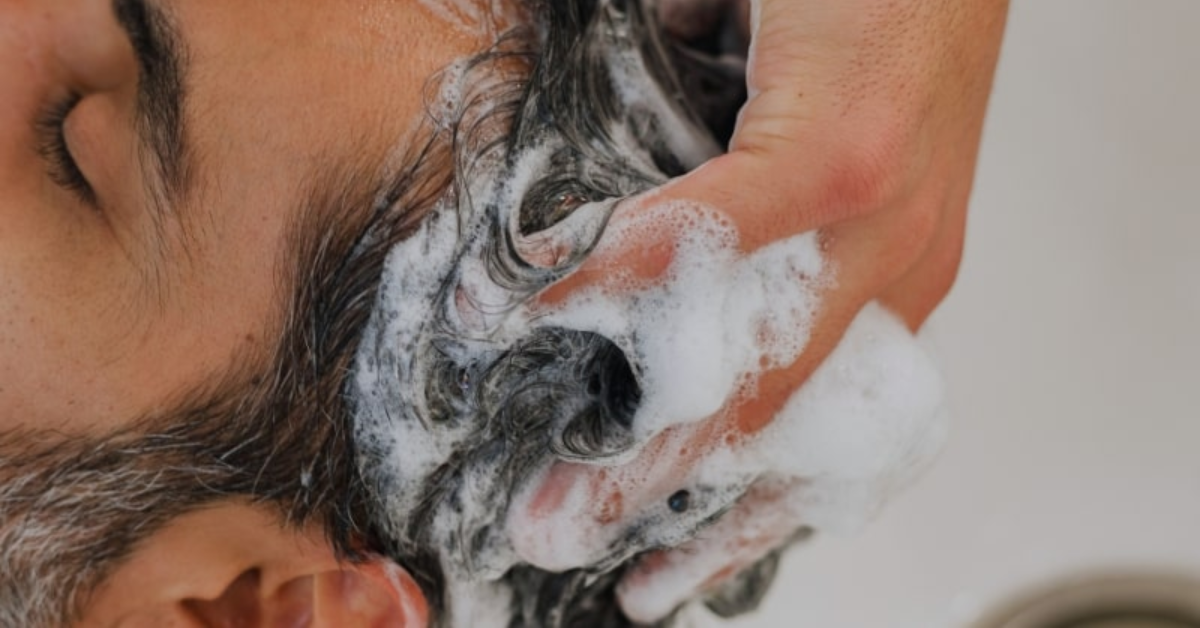
You just washed your hair. It felt clean for maybe an hour. Then the roots got greasy, the scalp felt heavy, and you were right back where you started. Sound familiar?
Hair that turns oily after washing is almost always caused by your scalp overproducing sebum, the natural oil that protects and hydrates your hair. This overproduction is triggered by factors like overwashing, using the wrong shampoo, product buildup, hormonal changes, or even how you rinse. The result is a scalp stuck in a cycle of stripping and compensating, leaving your hair looking greasy no matter how often you wash.
This is one of the most common grooming frustrations men deal with, and most of the standard advice gets it wrong. Washing more often is not the answer. In many cases, it makes things significantly worse.
At HQ Barbershop in Dallas, we work with clients every week who show up frustrated with exactly this problem. Our hair washing service in Dallas is designed to break that cycle properly, using professional-grade products and a technique that actually rebalances the scalp rather than just temporarily masking the issue.
In this blog, we’ll walk you through every real reason why your hair is oily after washing, and exactly what to do about each one.
What Actually Causes Oily Hair After Washing?
Before fixing the problem, you need to understand what is driving it. Men asking why is my hair oily after washing are rarely dealing with a single cause. Usually it is a combination of habits, products, and biology all working against each other at the same time.
Your scalp has sebaceous glands. These glands produce sebum, a waxy, oily substance that naturally coats your hair shaft to protect and moisturise it. When those glands are functioning normally, sebum is your friend. It keeps your scalp healthy and your hair shiny without looking greasy.
The problem starts when those glands go into overdrive.
And the biggest trigger for that overproduction? Stripping your scalp of oil too aggressively, which causes it to panic and produce even more. It is one of the most frustrating cycles in men’s grooming. The more you fight the grease, the more grease you get.
The Role of Sebum in Scalp Health
Sebum is not your enemy. It is your scalp’s natural moisturiser and protection barrier. Every strand of hair has its own sebaceous gland sitting right at the root. When these glands work normally, they produce a thin coating of oil that travels down the hair shaft and keeps it hydrated.
The issue is that the scalp cannot tell the difference between “I washed my hair once too many times” and “I am genuinely under stress.” Both signals can trigger the same response: produce more oil, faster.
Genetics play a role here too. Some men naturally have more active sebaceous glands than others. If oily hair runs in your family, your baseline sebum production is simply higher. That does not mean you are stuck with greasy hair forever, but it does mean your routine needs to work smarter.
7 Real Reasons Why Your Hair Is Oily After Washing
1. You Are Overwashing Your Hair
This is the most common cause, and most men never suspect it.
Washing your hair every single day feels like the clean thing to do. But daily washing strips the scalp of its natural oils repeatedly, and the sebaceous glands respond by producing more sebum to compensate. Your scalp is essentially in a permanent state of emergency, constantly trying to replace what is being removed.
The result? Your hair is oily after washing within hours, sometimes less.
The fix is to gradually stretch out your wash frequency. Start washing every other day instead of daily. Within two to three weeks, most men notice their scalp starts producing less oil between washes. It takes patience, but the scalp genuinely rebalances itself when you stop overcleaning it.
2. You Are Using the Wrong Shampoo
Not all shampoos work the same way. Using a moisturising or hydrating shampoo on an already oily scalp is like adding fuel to a fire. Heavy shampoos leave a coating on the scalp that mimics sebum and traps additional oil underneath.
Sulfate-heavy shampoos cause the opposite problem. They strip the scalp so aggressively that the overcompensation response kicks in fast.
The right shampoo for oily hair is a lightweight, clarifying formula, something that cleanses without either loading the scalp with heavy ingredients or stripping it completely bare. Look for shampoos specifically labelled for oily or normal-to-oily hair types.
3. Product Buildup Is Sitting on Your Scalp
This one is big for men who use styling products regularly.
Pomades, waxes, gels, and clays are designed to hold and style hair. They do not fully rinse out with a standard shampoo wash. Over time, these products build up on the scalp, clogging the follicles and sitting on the surface in a way that looks and feels exactly like excess oil.
If your hair feels oily immediately after washing, product buildup could be the main cause. A proper clarifying wash or a professional scalp cleanse strips that build up away completely, giving the scalp a clean starting point.
At HQ Barbershop, our hair washing service in Dallas includes treatments specifically designed to clear product buildup and reset the scalp. This is the kind of deep cleanse that a standard at-home wash cannot fully replicate.
4. You Are Not Rinsing Properly
Shampoo residue left on the scalp is one of the most overlooked causes of greasy hair after washing.
Most people rinse for about 20 to 30 seconds. That is not enough. Shampoo molecules bond with oil and dirt during the lather phase. If you do not rinse long enough, those oil-loaded shampoo molecules stay on your scalp and continue to coat the hair shaft.
Rinse with lukewarm water for at least 60 seconds. Tilt your head in different directions to make sure water reaches every section. And finish with a brief cold water rinse. Cold water closes the cuticle, reduces sebum production at the surface, and gives your hair a clean finish that lasts longer.
5. Hormonal Changes and Stress Are Driving Oil Production
Sometimes the problem has nothing to do with your products or your technique.
Hormones directly control sebaceous gland activity. Testosterone, particularly dihydrotestosterone (DHT), stimulates the sebaceous glands to produce more sebum. This is why teenage boys and young men often deal with the oiliest hair of their lives. It is also why periods of high stress cause sudden grease spikes. Cortisol, the stress hormone, triggers increased oil production as a physiological response.
If your oily hair after washing got noticeably worse during a stressful period at work, or during a major life change, hormones are almost certainly involved.
The fix here is less about your shampoo and more about managing the underlying cause. Regular exercise, adequate sleep, and a diet lower in refined sugars can all help regulate the hormonal activity driving excess sebum production.
6. You Are Touching Your Hair Too Often
Your hands carry natural oils from your skin. Every time you run your fingers through your hair or touch your roots, you transfer those oils directly onto the scalp and hair shaft.
For men who habitually touch their hair throughout the day, this adds up. By midday, you have deposited a significant amount of additional oil on top of whatever your scalp is already producing naturally.
This is an easy habit to break once you are aware of it. Use a comb or brush to style and reset your hair instead of your fingers. Keep your hands away from your roots during the day. Small change, noticeable difference.
7. Your Diet Is Affecting Your Scalp
This one surprises people. What you eat directly affects how much oil your scalp produces.
Diets high in refined carbohydrates, dairy, and processed fats have been linked to increased sebum production. Blood sugar spikes trigger hormonal responses that dial up oil gland activity. It is the same mechanism behind breakouts in oily skin, and the scalp is simply the skin on your head.
Eating more omega-3 fatty acids (found in oily fish, flaxseeds, and walnuts), staying hydrated, and reducing processed sugar intake can all help regulate scalp oil production over time. This is a longer-term fix, not a quick solution, but it is a real one.
How to Stop Hair Being Oily After Washing: The Right Routine
Step 1: Wash Every Two to Three Days, Not Daily
The single most effective change most men can make. Give your scalp time to regulate between washes. Extend wash frequency gradually, going from daily to every other day first, then every two or three days as your scalp adjusts.
Step 2: Use a Clarifying or Balancing Shampoo
Choose a shampoo designed specifically for oily scalps. Avoid anything labelled as moisturising, hydrating, or thickening, as these add ingredients your scalp does not need. A clarifying shampoo used once or twice a week removes product buildup without stripping the scalp completely.
Step 3: Apply Conditioner to Ends Only
This is where most men go wrong. Conditioner applied to the roots adds extra coating directly to the oiliest part of the scalp, making everything worse within hours. Apply conditioner from mid-shaft to ends only. Never the roots.
Step 4: Rinse Longer Than You Think You Need To
After shampooing, rinse for at least 60 seconds. Make sure you remove every trace of product from the scalp. Finish with cold water to close the cuticle and calm oil production at the surface.
Step 5: Get a Professional Scalp Cleanse
Some product buildup cannot be fully removed at home. A professional treatment once every few weeks gives the scalp a proper reset. Our hair washing service in Dallas uses professional-grade products and techniques to clear buildup, rebalance the scalp, and address the specific hair type of each client.
Does Hard Water Make Hair Oily Faster?
Yes. And this is a real issue in many parts of Texas, including Dallas.
Hard water contains elevated levels of minerals, primarily calcium and magnesium. When you wash your hair with hard water, these minerals bond with shampoo and leave a residue on the scalp. That residue does not wash away cleanly, and over time it builds up in a way that feels and looks like excess oil.
If your water is hard and you are also washing frequently with a heavy shampoo, you are stacking multiple causes of oily hair after washing on top of each other.
A chelating shampoo, one specifically formulated to remove mineral deposits, can help. Alternatively, a professional hair wash using filtered or treated water removes this variable entirely.
What Happens If You Ignore Oily Hair?
Most men treat greasy hair after washing as a cosmetic annoyance. But persistent oiliness left untreated can lead to genuine scalp problems.
Excess sebum creates the ideal environment for Malassezia, a type of fungus naturally present on the scalp. When sebum is overproduced, Malassezia proliferates rapidly. The result is dandruff, scalp irritation, and itching. In more serious cases, long-term follicle clogging caused by uncleared sebum can contribute to hair thinning at the roots.
This is not meant to be alarming. But it is worth knowing that what starts as a simple oily scalp can progress if the underlying cause is not addressed.
A balanced scalp means healthy hair growth. The two are directly linked.
Professional vs. At-Home Hair Washing: What Is the Difference?
At-home washing is fine for routine maintenance. But a professional wash is a fundamentally different experience.
The difference comes down to three things: products, technique, and scalp knowledge.
At home, you are using whatever shampoo is in the shower, rinsed for however long feels right, with no real scalp assessment involved. A professional hair wash uses products matched to your specific scalp type, whether that is oily, dry, combination, or affected by product buildup.
Technique matters too. The scalp massage during a professional wash stimulates circulation, breaks up sebum at the follicle level, and ensures thorough cleaning that a hurried self-wash rarely achieves. The difference in how the scalp feels afterwards is immediately noticeable.
At HQ Barbershop Dallas, our hair washing service in Dallas is $40 and includes a full scalp assessment, professional-grade product selection, a relaxing massage, and a result that actually lasts. Many clients combine it with a men’s haircut in Dallas for a complete grooming session that covers every detail from root to finish.
Final Thoughts
If you have been asking yourself why is my hair oily after washing, the answer is almost never as simple as “use a different shampoo.” It is a scalp that is out of balance, and nearly every cause of that imbalance can be fixed with the right approach. Stop overwashing, match your shampoo to your scalp type, rinse properly, keep your hands out of your hair, and pay attention to what your diet and stress levels are doing underneath the surface.
Small adjustments add up fast. And the scalp responds quicker than most men expect.
At HQ Barbershop in Dallas, we see this problem constantly and we know exactly how to address it. Our hair washing service in Dallas is not a basic shampoo and rinse. It is a proper scalp reset using professional products and expert technique, tailored to your specific hair type. Whether you are dealing with chronic oiliness, product buildup, or a scalp that just never feels balanced, we can help you break the cycle. Book your hair washing service in Dallas today and walk out with a scalp that actually feels clean.
Frequently Asked Questions
Question: Why does my hair get oily the same day I wash it?
This usually points to overwashing. When you wash daily, your scalp overcompensates by producing oil faster than normal. The cycle continues until you extend your wash frequency and allow the sebaceous glands to slow down naturally.
Question: Can the wrong shampoo make hair oilier?
Yes. Moisturising shampoos add coating to the scalp that worsens oiliness. Harsh sulfate shampoos strip natural oils and trigger a rebound effect. The right shampoo for oily hair after washing is a lightweight, clarifying formula matched to your scalp type.
Question: Does washing hair in hot water make it oilier?
Hot water opens the hair cuticle and stimulates the sebaceous glands, which can increase oil production. Washing with lukewarm water and finishing with a cold rinse is the better approach for oily scalp management.
Question: How often should men with oily hair wash?
Every two to three days is the general recommendation. Washing daily makes the problem worse by triggering overcompensation from the sebaceous glands, which is the core reason why hair gets oily after washing so quickly.
Question: Can stress really cause oily hair?
Yes. Cortisol, the stress hormone, directly stimulates oil gland activity. Many men notice that their hair becomes greasier faster during high-stress periods. Managing stress through sleep, exercise, and diet has a measurable impact on scalp oil production.